
THE APEX TIMES
Cardinals reach 53-man roster, place James Conner on injured reserve with designation to return
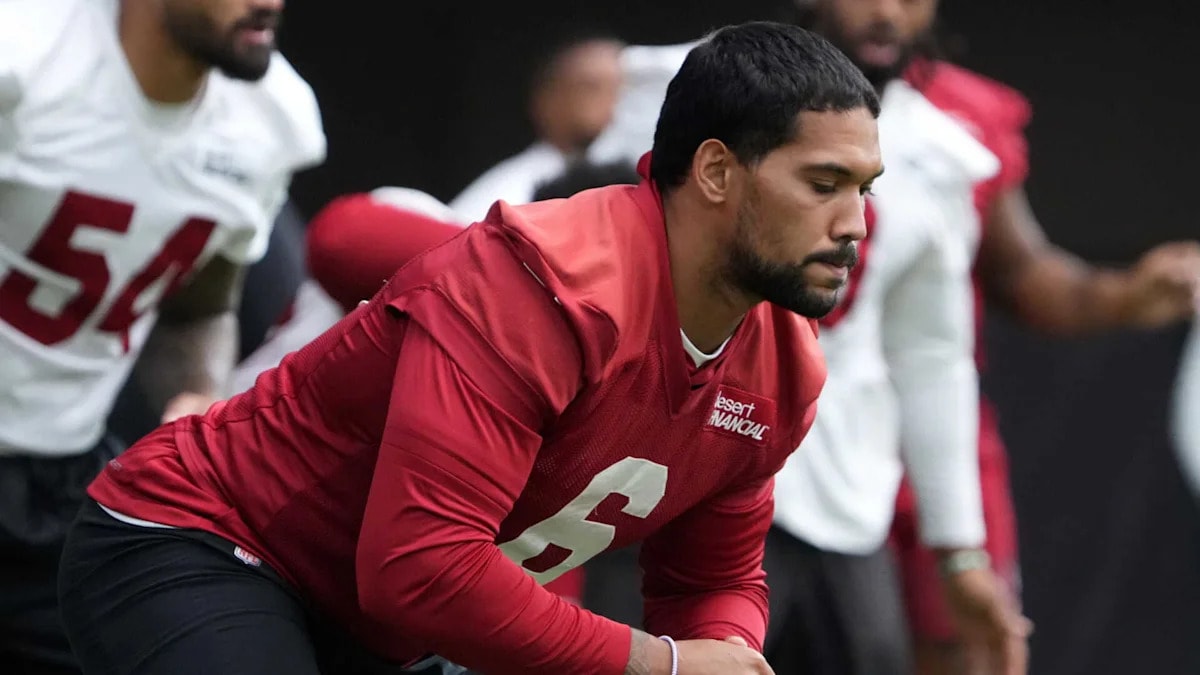
Arizona’s 53-player cutdown included a roster change at running back, with James Conner moved to injured reserve while he works his way back from an ankle injury.
The Arizona Cardinals used Sunday roster management to reshape their immediate depth at running back, placing veteran James Conner on injured reserve while also attaching a designation to return. The move was part of the team reaching the 53-player limit on the afternoon of the NFL cutdown period.
Conner’s status matters because it changes how Arizona plans to distribute touches early in the season. The Cardinals’ move indicates he is expected to miss at least the first four games as he continues his recovery, then become eligible to return once the injured reserve window and designation to return requirements are met. For a running back room, that usually shifts responsibilities to the remaining backs on the roster, as well as to other offensive players who can take on rushing or short-yardage work.
The Cardinals’ decision is tied to the same injury theme reflected in Conner’s current designation: his ankle problem came from last season. While the specifics of the timeline are handled through team injury reporting and the league’s injured reserve rules, the designation to return indicates the team does not view the injury as ending his season. Instead, it frames the first weeks as a rehabilitation stretch with an anticipated re-entry point later in the early part of the schedule.
From a roster-building perspective, placing Conner on IR can create both short-term flexibility and longer-term stability. In the short term, it frees up an active roster spot for another player who can contribute immediately. In the longer term, once Conner is eligible to return, Arizona regains a proven option with familiarity in the team’s offensive structure, particularly in a role that blends between power runs and practical passing-game usage that has defined Conner’s career in Arizona.
Cutdown day also carries a clear message about a team’s priorities. The Cardinals reached 53 players during the same window in which they executed this injury move, meaning Conner’s absence was factored into the final roster decisions. In other words, Arizona did not delay the decision until after the cutdown, suggesting the organization wanted the roster picture to be settled with Conner off the active list for the start of the season.
The practical football question now is how Arizona covers early-down and late-game situations without Conner available on the active roster. Conner’s return designation also means his absence is not permanent, but teams typically still plan for early-season continuity in play-calling and personnel packages. The Cardinals will likely lean on the running back depth they kept active and use offensive versatility elsewhere to maintain balance while Conner continues to work his way back from the ankle injury.
What to watch next is how the running back workload is distributed in games immediately following the cutdown, and whether Arizona provides additional updates that track Conner’s rehab progress toward the designation-to-return timetable. Once he begins moving closer to return eligibility, the Cardinals will also have to manage practice participation and snap planning so his first games back are integrated without forcing an abrupt workload change.
Why It Matters
- Conner’s absence changes Arizona’s running back rotation at the start of the season and impacts how rushing and short-yardage snaps are allocated.
- A designation to return suggests the Cardinals are planning for his availability later in the early-season window rather than treating the injury as season-ending.
- The IR move also affects active-roster decisions during cutdowns, determining which players are available immediately for game weeks one through four.
Key Facts
- The Arizona Cardinals reached the 53-player roster limit on Sunday afternoon.
- Arizona placed running back James Conner on injured reserve.
- Conner’s injured reserve placement included a designation to return.
- The team’s move indicates Conner will miss at least the first four games.
- The designation is tied to Conner’s recovery from an ankle injury suffered last season.