
THE APEX TIMES
Carlos Correa says he is not ruling out an Astros return in 2026 after ankle tendon surgery recovery
Houston’s All-Star infielder indicated his rehab from an ankle tendon injury is moving faster than expected, while keeping the door open to a return later this year.
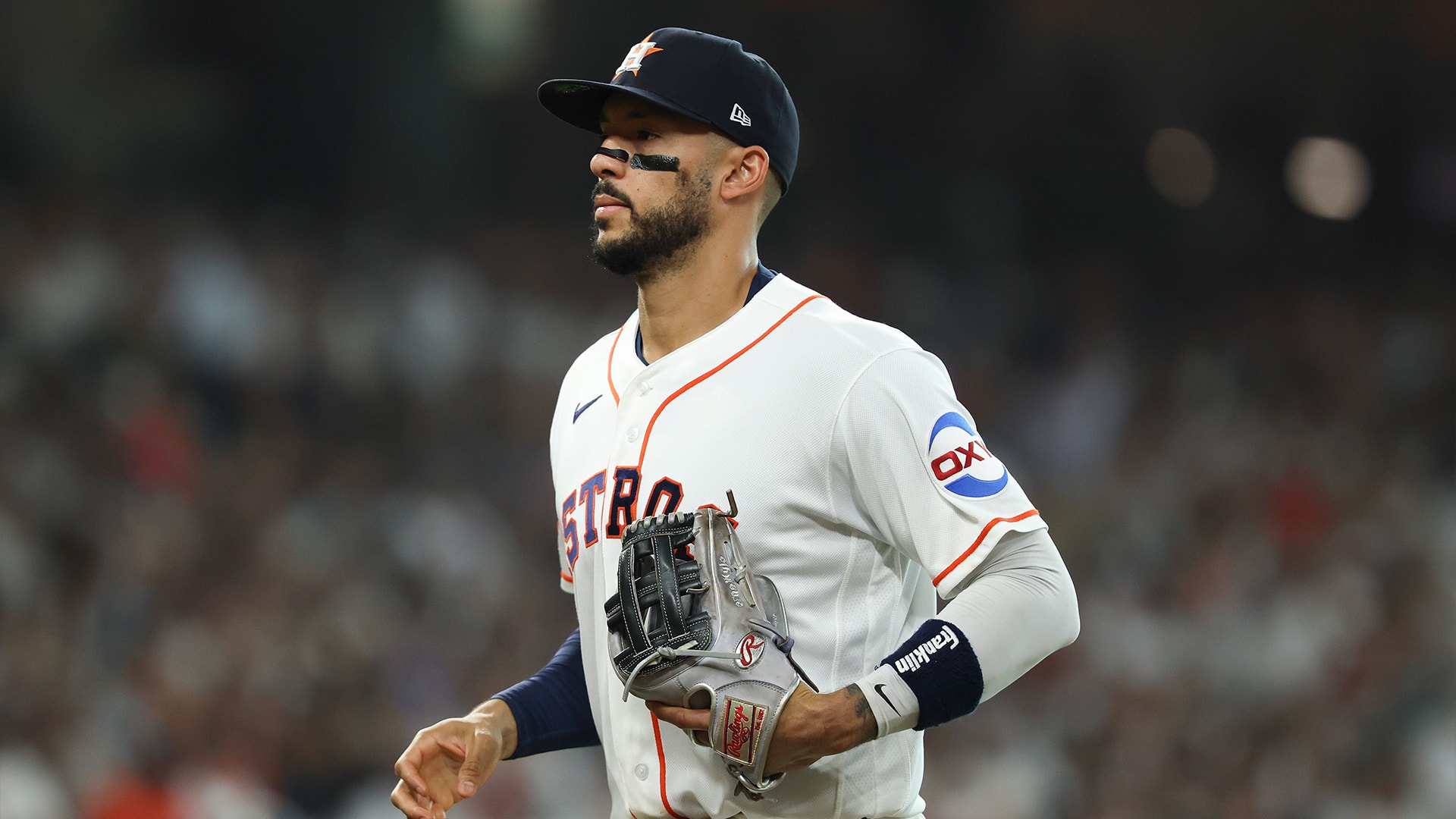
Houston Astros infielder Carlos Correa will not publicly close the door on playing again in 2026, even as he continues recovering from surgery to repair a torn ankle tendon. In an update published Aug. 1, Correa said his recovery is progressing quicker than expected and added, in effect, that the organization and his doctors will decide what is possible as he works toward baseball activities.
The ankle procedure ended Correa’s season hopes on a longer timeline, but the key development is that his rehab has been ahead of schedule. An ankle tendon injury can be especially difficult for a middle infielder because it affects push-off, lateral movement, and the burst required for plays up the middle and quick returns to base.
Correa’s comments also matter because Houston has relied on him for stability at the position and for a high-impact bat. Even when an infielder is not producing at full capacity, the presence of a player returning from a significant injury often changes how a team handles roster flexibility, lineup planning, and the way it manages other infielders’ workloads.
According to FOX Sports, Correa did not rule out the possibility of a return during the 2026 season, framing his status as something that will be evaluated rather than predetermined. That “we’ll see” posture is consistent with how teams typically handle tendon recoveries, where the pace of healing and on-field testing can determine whether a final clearance is realistic.
For the Astros, the practical question is not just whether Correa can play at some point, but whether he can do so at the level required for regular infield defense and the rigors of a late-season schedule. If he resumes baseball activities on an accelerated track, it can open the door to a return that would provide both lineup punch and a defensive upgrade, potentially reducing the need for constant substitutions in the infield.
Still, a faster-than-expected recovery does not automatically translate into a guaranteed comeback window. Tendon rehabilitation involves phased progression, and returning too quickly can risk setbacks or lingering limitations. As a result, Houston’s next steps likely hinge on medical clearance, performance benchmarks during rehab, and the team’s own readiness to integrate him into game situations without compromising team performance.
Why It Matters
- An Astros return for Correa would directly affect infield depth and lineup planning during the later stages of the season.
- Correa’s health could influence how Houston balances defensive assignments and the frequency of lineup adjustments.
- A comeback timeline can change the team’s approach to keeping other infielders fresh and managing usage patterns.
- Late-season injury recoveries often have ripple effects on team confidence and playoff readiness.
Key Facts
- Carlos Correa is recovering from surgery to repair a torn ankle tendon.
- FOX Sports reported Aug. 1 that Correa’s recovery is progressing quicker than expected.
- Correa indicated he will not rule out a return for the Houston Astros during the 2026 season.
- The update emphasized evaluation and timing rather than a fixed return date.