
THE APEX TIMES
Carson Benge makes a point for the Mets, throwing out two Padres runners in the same inning
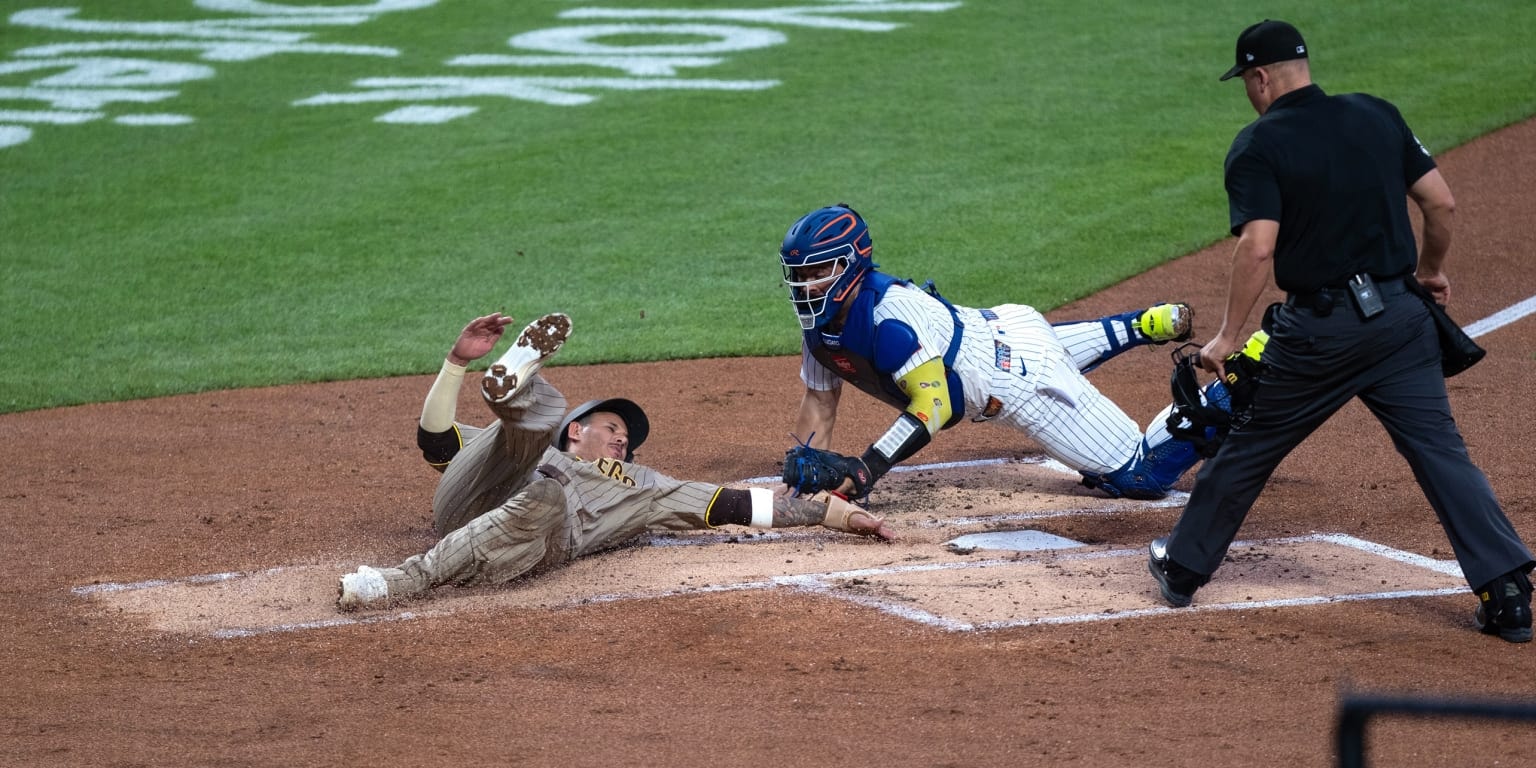
In one tense stretch, Mets right fielder Carson Benge shut down back-to-back running chances for San Diego, twice ending the inning the way opposing baserunners dread most, with a throw that erases the play.
The New York Mets got a sharp reminder that baserunning aggressiveness can be answered quickly from the outfield, when Carson Benge threw out two Padres runners in the same inning. Benge’s impact was immediate and physical in the sense that it changed the geography of the game, taking two potential innings worth of Padres offense and turning them into outs instead.
According to the Mets organization’s recap from MLB, the story of the inning was simple: San Diego attempted to run, and Benge responded twice. The play pattern is the sort of sequence that travels quickly through a dugout, because it suggests not just one strong throw, but a repeatable outcome when runners take the first step.
The outing also framed Benge as more than a right fielder who plays deep. His value in the inning came from decision-making and arm strength in motion, because running plays in baseball often hinge on whether the defender can get the ball where it needs to be before the runner’s momentum completes the steal attempt or extra-base push.
For the Padres, who were looking to manufacture opportunities on the basepaths, the inning became a cautionary episode. Mets defenders have to execute their reads and throws consistently, and Benge’s two outs in one frame put the pressure back on San Diego’s aggressiveness, reducing the margin for error on any future attempt to take an extra base.
That kind of defensive punctuation matters even when it is measured in just a single inning, because it can alter how both teams approach the next plate appearances. Once an opponent sees runners turned back immediately, pitchers can get more comfortable pitching to contact or more freely working to the edges, while position players can rally behind a clearer sense of what they are trying to prevent.
What to watch next is whether this becomes a repeat theme for New York’s late-inning defensive identity. If Benge’s outfield range and throwing arm continue to deter runners, opponents may adjust their baserunning plans around the right field side, changing the baseline risk calculus across future games.
For now, the Mets will likely treat the inning as evidence of a strength they can lean on. Benge, at the center of the moment, turned an ordinary baserunning attempt into a double statement, twice reminding San Diego that once the runner breaks, the defender’s decision has to end the play.
Why It Matters
- Defensive plays that erase multiple baserunning attempts in one inning can swing momentum and limit an opponent’s ability to create runs without hits.
- Outfield deterrence can influence future baserunning aggressiveness, particularly on routes to extra bases.
- When a defender records repeat outs in the same inning, it can tighten the opponent’s strategy and force more conservative choices going forward.
- For the Mets, Benge’s outfield impact provides a clear example of how their defense can actively shape the game’s leverage points.
Sources
Key Facts
- Carson Benge is the Mets right fielder referenced in the play.
- Benge threw out two Padres runners in the same inning.
- The incident highlights that the Padres’ baserunning attempts were stopped immediately on at least two occasions within that frame.
- The game context was reported by MLB in a Mets-focused recap of the play sequence.