
THE APEX TIMES
Carson Benge’s swing tweak, and the Mets’ new look in right field
MLB’s look at the Mets’ Carson Benge ties his rookie jump to a batting-stance change, a small mechanical shift with outsized impact as his all-around game draws bigger eyes.
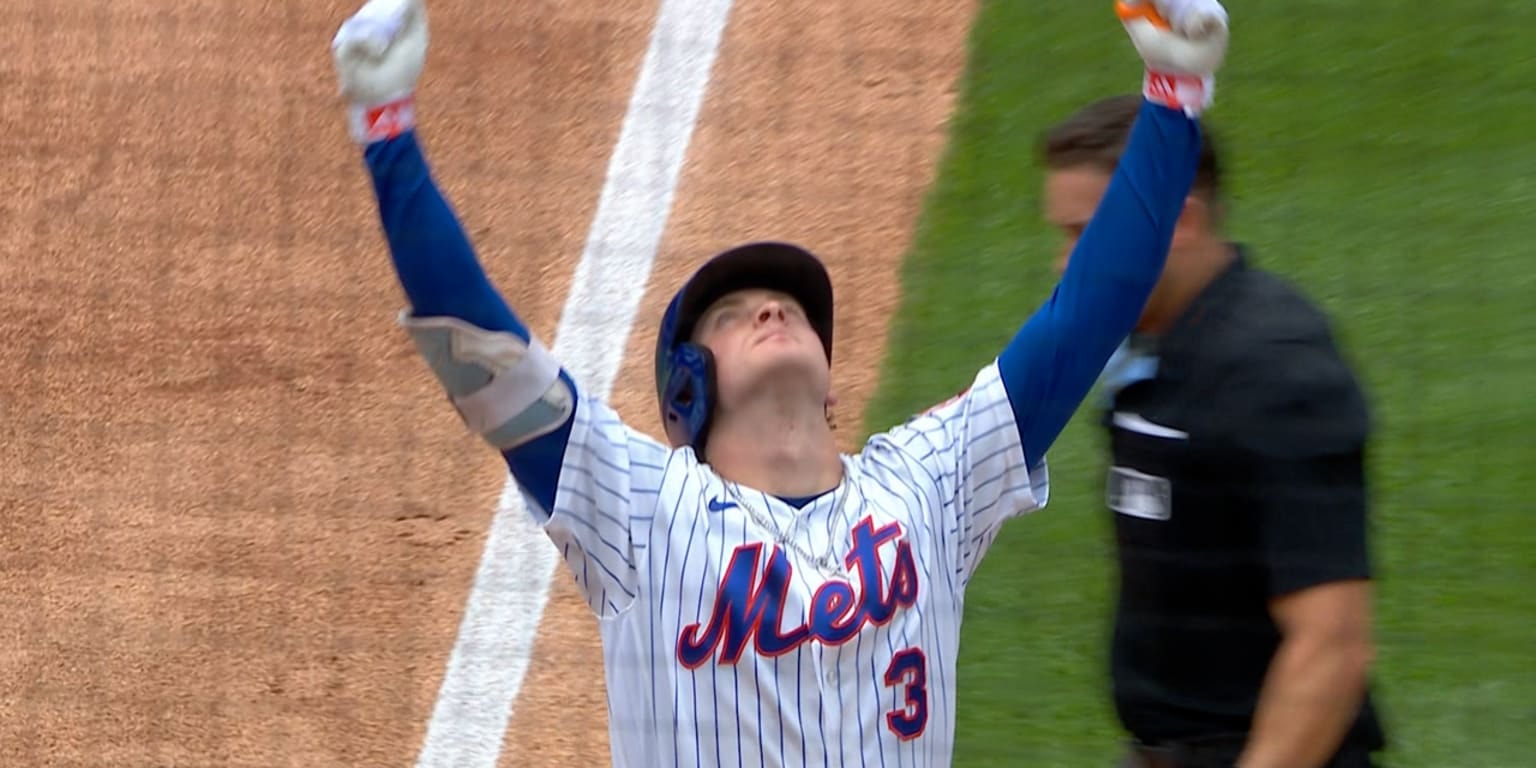
Carson Benge has quickly become the kind of rookie fans notice in passing and then talk about later, and MLB’s latest Mets feature points to a change before the at-bats that helped turn his first season around. The story frames Benge as more than an eye-catching defender, emphasizing that his approach at the plate and how he sets his body matters as much as the highlight catches that now follow him around the National League.
In the feature, MLB highlights the atmosphere Benge brings when a Mets game is on the screen, with attention repeatedly landing on right field. His work in the outfield, including the “jaw-dropping” assists mentioned in the report, has become a signature. But the emphasis is not only on what he does with his glove, it is also on what he does when the game flips to offense and he needs his swing to translate under major-league pressure.
The turning point, according to MLB, is a batting-stance adjustment that helped stabilize Benge as a rookie. The piece describes his emergence as tied to that stance change, presenting it as a practical attempt to improve how he loads and balances in the box. The idea is not complicated in concept, a cleaner, repeatable start can create timing advantages, but in the majors the margin for error is thin, especially for hitters trying to find consistent contact.
Benge’s age is part of why the Mets’ early-season growth has looked so striking. MLB characterizes him as 23 and portrays his overall body of work as one that is increasingly hard to ignore, including a “compelling National League Rookie of the Year case.” Even without turning the season into a stat summary, MLB’s framing suggests the league is watching because his game appears to cover multiple phases, defense that changes innings, plus batting adjustments that suggest a real learning curve rather than simple early luck.
For the Mets, the tactical value of that kind of two-way rookie impact is immediate. When a team finds a player who can help in the outfield while also showing a path to more consistent hitting, the roster becomes more flexible and the lineup’s everyday decisions get easier. The MLB feature also implicitly underscores why fans treat Benge as a recurring subplot, the moments he provides are frequent enough that his at-bats and his catches feel connected, as though the same mindset is carrying over across roles.
There is, of course, a caveat with any single-story narrative about “what changed.” Stance changes can help, but outcomes still depend on pitch recognition, sequencing from opposing managers, and whether adjustments hold as scouting reports evolve. What matters next for Benge is whether the stance work that MLB points to continues to support his performance as pitchers study him more deeply, not just in isolated games but over longer stretches.
As the season moves forward, the Mets will likely be watching Benge’s plate habits with the same intensity they watch his defensive positioning. If the batting-stance change becomes a foundation rather than a temporary fix, it could keep his Rookie of the Year momentum from being defined only by highlight reels in right field. In the weeks ahead, the question becomes whether his overall game continues to look like a rookie catching up, or a newcomer already operating at a level built to last.
Why It Matters
- A rookie who contributes in both the outfield and the batter’s box gives the Mets more lineup and defensive options without forcing tradeoffs.
- If the stance change sustains performance, it helps shift Benge’s season narrative from early promise to ongoing development.
- National League Rookie of the Year conversations increasingly reward all-around players, and MLB’s framing places Benge in that discussion.
- How hitters adjust early in their careers becomes a model for the club’s broader player development approach.
Key Facts
- MLB’s Mets feature attributes a late-season improvement to a batting-stance change for rookie outfielder Carson Benge.
- The report highlights Benge’s defensive attention in right field, including notable outfield assists.
- MLB frames Benge’s overall impact as building a “compelling” National League Rookie of the Year case.
- Benge is described as 23 years old in the MLB coverage.
- The article centers on how a mechanical setup before the swing can support repeatable hitting in the majors.