
THE APEX TIMES
CBS Sports analyst outlines expectations for Texas’ 2026 season and its SEC finishing picture
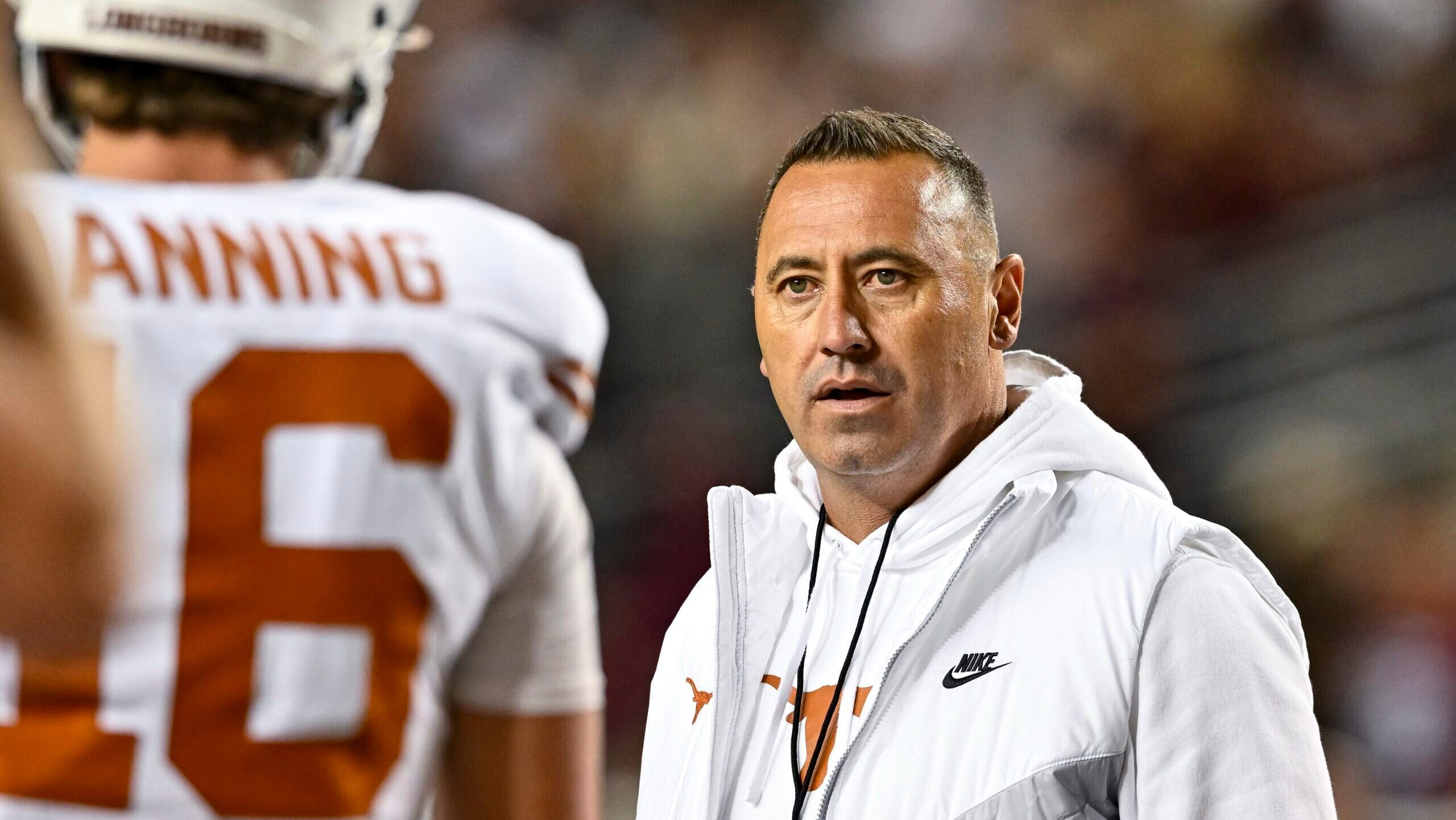
Ahead of the 2026 college football season, a CBS Sports analyst released a projection for Texas’ record and the Longhorns’ order of finish in the Southeastern Conference. The outlook centers heavily on Arch Manning entering his second year as the program’s starting quarterback.
Texas’ 2026 outlook is starting to take shape through mainstream football analysis, with a CBS Sports analyst laying out what he expects the Longhorns’ season to look like on the field. The projection, published by Saturday Down South, includes both Texas’ anticipated win-loss record and a predicted order of finish within the SEC, setting a reference point for how outsiders view the program’s immediate competitive ceiling in its first full stretch of SEC matchups.
The most prominent football context behind the forecast is quarterback Arch Manning. The report frames 2026 as Manning’s second season as Texas’ starting QB, a year when NFL-style expectations for a quarterback’s development are often most closely tied to results. In that role, consistency in decision-making, progression reads, and managing pressure typically becomes the difference between a “talent-led” offense and one that can sustain success week to week against SEC defenses.
Texas’ entry into the SEC has changed how the program is evaluated. The Longhorns are no longer measured only by marquee nonconference tests or the traditional Texas postseason lens, they are now compared against a conference that annually produces multiple national-title-caliber teams and sends a deep bench of defenses to each weekend slate. An order-of-finish projection is therefore less about one opponent and more about how the entire league’s strength compresses the margin for error over a long schedule.
Because the Saturday Down South item is an analyst projection rather than an official Texas forecast or league preseason release, it should be treated as opinion tied to one evaluator’s model. The piece does not represent an SEC determination, a committee ranking, or a change in the program’s personnel. Still, these kinds of predictions often help clarify the baseline that fans and media use when discussing whether a team is merely “competitive” or “capable of standing near the top” in a given year.
The most practical takeaway for Texas supporters is what this kind of forecast implies about the standard of performance for 2026: the expectation is not simply to be in games, it is to be positioned high enough in the SEC race that the program’s postseason path looks realistic. The quarterback timeline embedded in the report suggests that, at minimum, Texas is being evaluated as a team that should show visible improvements in command and play design from the quarterback’s first year as a starter to the second.
Going forward, the storyline to watch is whether Texas’ 2026 preparation and early-season performance reinforce the idea that Manning’s second season can translate offseason improvements into consistent execution against SEC opponents. If the Longhorns can play clean football, sustain drives, and avoid prolonged scoring droughts, it becomes easier for preseason projections to age well. If not, the projections will read as optimistic and a sharper question will emerge about who is responsible for turning quarterback development into wins in conference play.
Why It Matters
- Early-season projections help define the expectations Texas faces in its SEC transition and can influence how quickly narratives form around the program.
- Quarterback development timelines matter most when a team is evaluated for conference positioning, especially in a league as top-heavy as the SEC.
- An order-of-finish projection turns a season into a standings conversation, not just a game-by-game one.
- If Texas does not perform near the projected tier, the quarterback and offensive consistency questions typically become the center of the 2026 storyline.
Sources
Key Facts
- A CBS Sports analyst, as reported by Saturday Down South, released projections for Texas’ 2026 win-loss record.
- The same projection set an expected order of finish for Texas within the SEC.
- The outlook is framed around Arch Manning entering his second season as Texas’ starting quarterback.
- The item is a media projection, not an official conference or team announcement.