
THE APEX TIMES
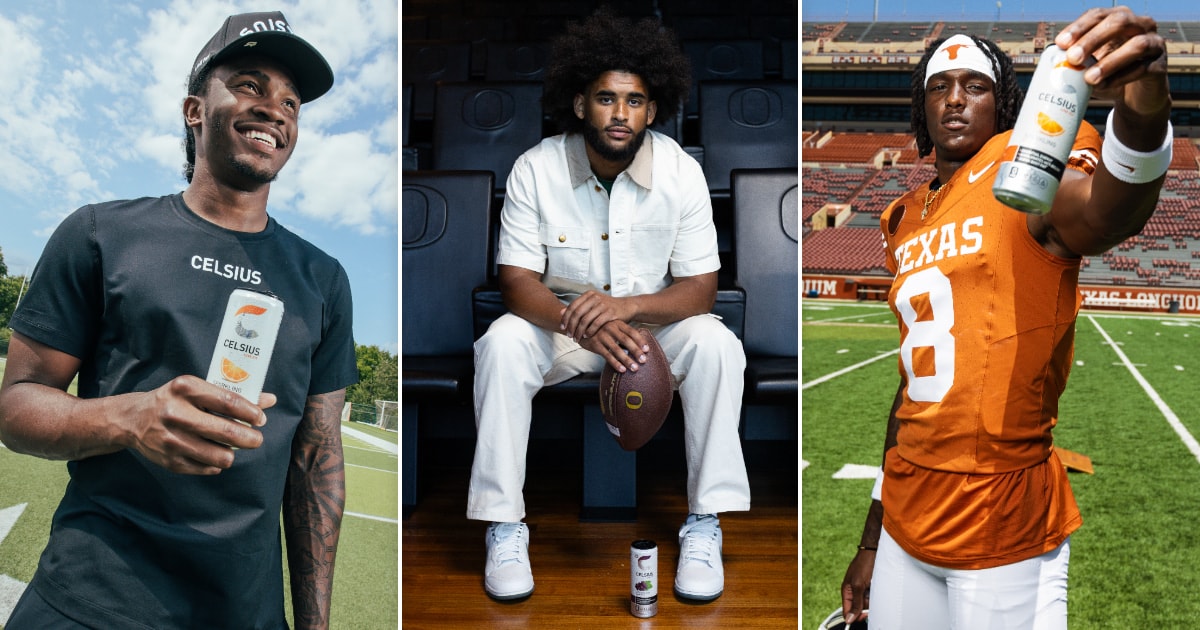
Celsius signs NIL deals with Michigan QB Bryce Underwood, Oregon QB Dante Moore, Texas WR Cam Coleman and Ohio State WR Chris Henry Jr.
The lifestyle energy drink brand is partnering with four high-profile college football players for content and fan-experience activations, underscoring how quickly NIL marketing has become part of elite recruiting and program branding.
Celsius has signed name, image and likeness deals with four college football players: Michigan quarterback Bryce Underwood, Oregon quarterback Dante Moore, Texas wide receiver Cam Coleman and Ohio State wide receiver Chris Henry Jr. The announcement, made Wednesday, frames the agreements as brand partnerships built around content, campus moments and fan experiences tied to each athlete.
For college football programs, NIL partnerships are now part of the broader ecosystem that shapes how recruits and stars are marketed, both locally and nationally. While the deals do not change scholarship counts or team depth charts, they can affect perceived player visibility and the day-to-day attention that elite prospects bring to their programs once they are on campus.
Underwood, Moore, Coleman and Henry are among the best-known names in the current college football recruiting conversation, and their profiles have carried beyond the field through social media reach and mainstream coverage. Celsius’s decision to partner with quarterbacks from Michigan and Oregon and wideouts from Texas and Ohio State highlights the brand’s focus on positions that often sit at the center of offensive storylines and highlight-driven media.
The Celsius partnership is described by the company as a lifestyle energy drink collaboration, with activations designed for fans. The company’s emphasis on “content” and “campus moments” indicates that the agreement is intended to translate athlete name recognition into brand storytelling, rather than being limited to traditional advertising placements.
From the athletes’ perspective, NIL deals are a way to monetize their personal brands while still playing college football. From the school or program perspective, the deals can contribute to how players are covered during the season and offseason, even when the partnership is with an external brand rather than the university itself.
Still, it is important to separate NIL marketing from athletic outcomes. A sponsor agreement does not guarantee game impact, and it does not alter NCAA eligibility by itself. The larger competitive question is how these partnerships fit into the ongoing arms race for attention, where star power and media presence can reinforce recruiting momentum and program identity.
What to watch next is how Celsius and the players execute the activations. The most telling indicators will be the cadence and format of brand content tied to each athlete, and whether similar sponsor deals cluster around the same high-visibility programs and positions as college football’s NIL landscape continues to mature.
Why It Matters
- Elite NIL partnerships increasingly reinforce the national visibility of star recruits and current starters, even when they do not affect rosters directly.
- Sponsor involvement can deepen athletes’ media reach during the offseason and into the season, influencing how often programs are discussed in mainstream and social channels.
- The mix of quarterbacks and wide receivers suggests brands are targeting positions that drive highlight content and repeated mentions.
Key Facts
- Celsius announced it has signed NIL deals with Michigan QB Bryce Underwood, Oregon QB Dante Moore, Texas WR Cam Coleman and Ohio State WR Chris Henry Jr.
- The announcement describes the partnerships as involving content, campus moments and fan experiences.
- The players represent quarterback and wide receiver positions across four major Football Bowl Subdivision programs.