
THE APEX TIMES
Celtics and 76ers use different looks in preseason, and Boston’s approach stands out in early takeaways
With two preseason games producing contrasting rotations and results, Boston’s preparation suggests a team prioritizing adjustment and identity-setting, not just polish.
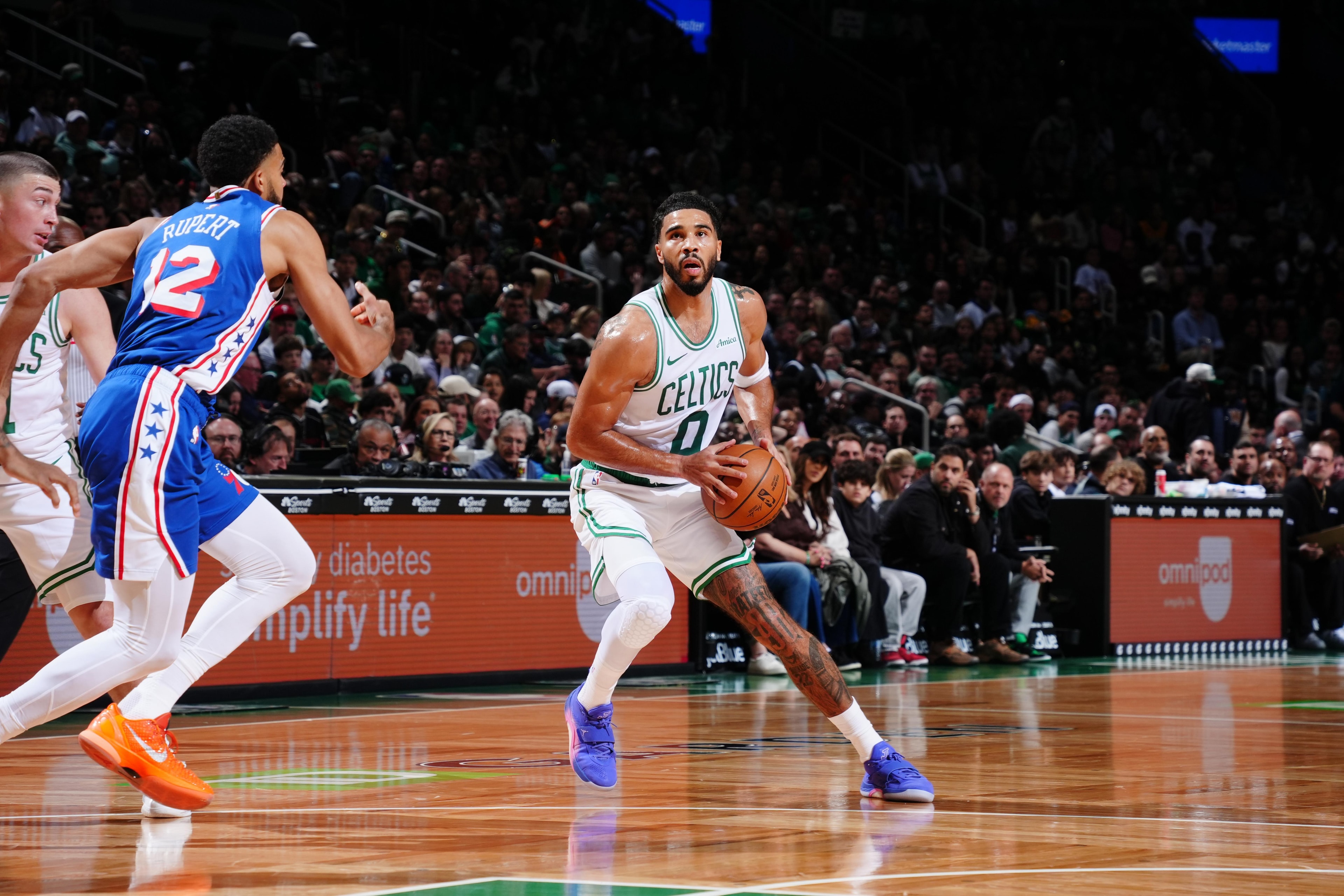
The opening weeks of the NBA preseason often feel like a controlled experiment, and the Celtics’ early work, alongside a parallel look from Philadelphia, has produced a theme that will matter long after October games fade. In a recap published this week, Yahoo Sports framed the difference in the Celtics and 76ers’ two-game preseason sequences as a case study in how teams handle variation, trying to survive uncertainty without losing structure.
The centerpiece of the argument is not one single moment but the contrast itself: two Philadelphia-preferred looks, described as yielding mixed results, followed by two Boston approaches that, in the early returns, came with better outcomes. The idea, as laid out by the report, is that each club’s rotation choices and preseason tweaks were stark enough that it felt less like routine preparation and more like two different answers to the same question: what should the team be when lineups change and minutes are uneven?
Boston’s preseason identity, at least through the lens of this early analysis, appears tied to the way it adjusts. The report characterizes the Celtics’ preparation as intentional, focusing on laying foundations rather than chasing flawless execution. That matters because the regular season, unlike preseason, compresses margin for error. A team that can shift rotations, test matchups, and still maintain a coherent plan tends to keep its playbook usable when rotations tighten.
Philadelphia, in the same framing, is presented as a team that either commits to a plan or gets punished when the execution does not match the intended style. The contrast is used to underscore what preseason results can reveal even when the games are not treated as full-strength contests. When a rotation produces clear advantages for an opponent, it usually points to decision-making issues that will return, in some form, once the calendar moves into sharper, more competitive phases.
What stands out in the Celtics side of the takeaways is the emphasis on the rotation and the willingness to treat preseason as process. Rather than viewing the games as stand-alone events, the report suggests Boston is using these early segments to test and refine. The practical takeaway for the organization is that preseason preparation is most valuable when it builds repeatable habits. If the Celtics can maintain offensive and defensive structure even with different lineups on the floor, the rest of the season becomes less about finding chemistry and more about scaling what already works.
It is worth noting, as any preseason recap demands, that early games can mislead. The lineups can be unstable, opponents can manage minutes differently, and coaches may prioritize specific evaluations over consistent game rhythms. Still, when a team shows a pattern, the pattern is harder to dismiss. If Boston’s foundation-building approach produces consistent functional basketball across varying rotations, it points toward an easier transition into the tighter demands of the NBA schedule.
Looking ahead, the most important question is whether Boston’s preseason adjustments translate into steadier roles once the regular season rotations are fully defined. Philadelphia’s early results, as described in the recap, also raise the stakes for how quickly it can lock in its best combinations and decision-making habits. Preseason may be the laboratory, but the regular season is where the findings have to hold up.
Why It Matters
- Preseason rotation decisions can foreshadow how a team will manage lineup instability during the regular season.
- Boston’s apparent process orientation suggests it may be prioritizing repeatable structure, which can speed up regular-season cohesion.
- Philadelphia’s described outcomes highlight how quickly execution gaps can widen when rotations do not align with the intended style.
- The early differences between the teams matter because October habits often become November expectations.
Key Facts
- Yahoo Sports published a preseason takeaways piece centered on the Boston Celtics and the Philadelphia 76ers.
- The recap describes Philadelphia’s preseason as featuring two different lineups/rotations that were met with unfavorable results.
- The same recap describes Boston’s preseason as featuring different looks across two games that came with wins.
- The article’s main theme is that Boston’s preparation focused on adjustments and building foundations rather than only chasing short-term results.