
THE APEX TIMES
Celtics enter 2026-27 with wings built for the NBA’s latest “freedom of movement” defensive tests
The NBA Competition Committee’s early emphasis on how officials treat push-offs, screen contact, hand-checking, and straight-line drive disruption sets up a key question for Boston: can its core wing defense create the same friction and deterrence even as offenses are encouraged to move more freely?
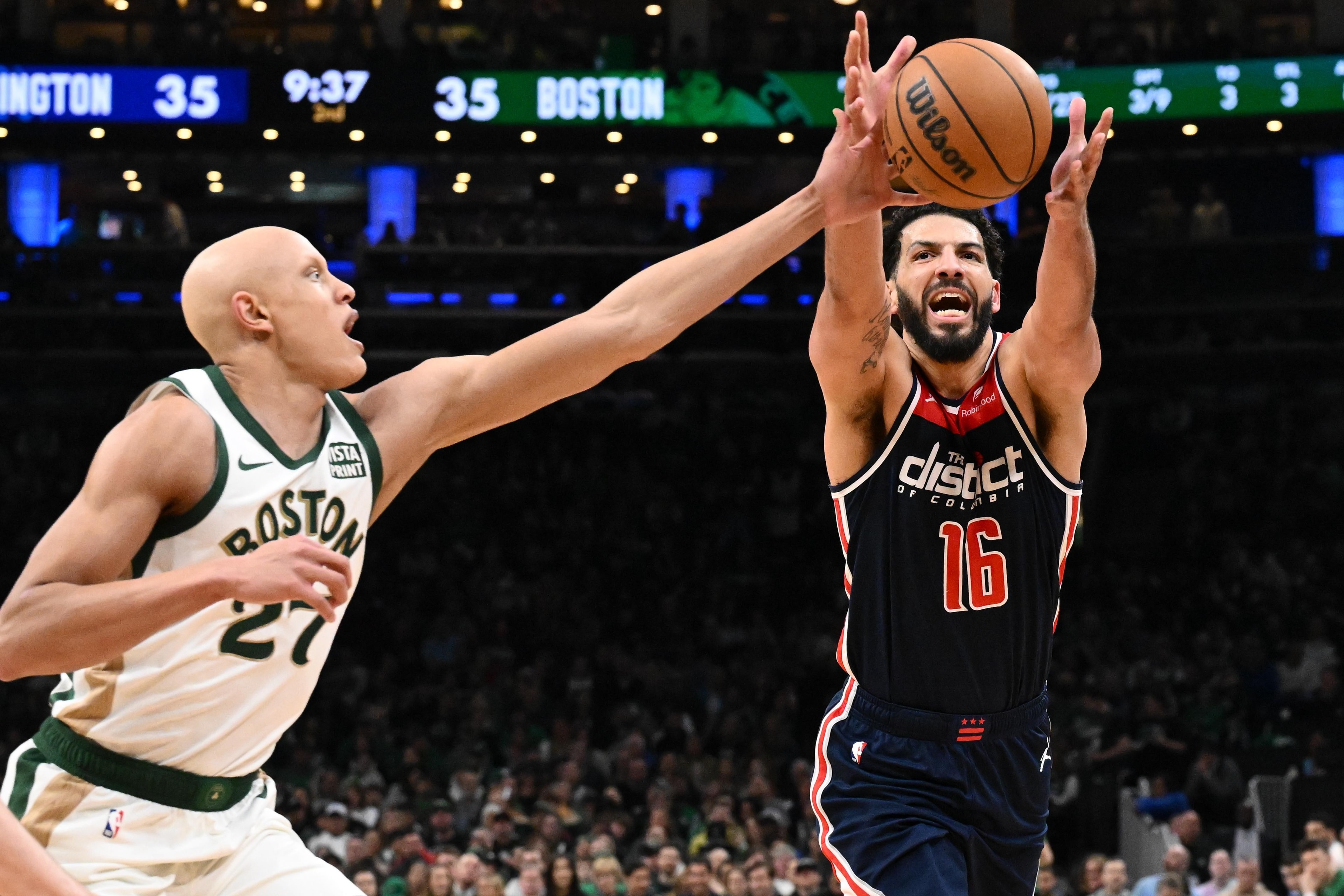
As the 2026-27 NBA season approaches, the league’s competition focus is shifting toward what the NBA is calling greater “freedom of movement.” In practical terms, that means officials are directing attention to a defined set of contact areas, and how that contact is allowed can change the shape of defensive stops. A recent look at Boston frames the Celtics’ roster as particularly well positioned to benefit from this adjustment, especially because the team’s defensive identity has long been anchored by wing activity and contact-controlling spacing rather than simply staying planted at the point of attack.
According to the NBA Competition Committee’s point of emphasis outlined in the discussion, officials will be watching four specific categories closely: off-arm push offs by offensive players, push-offs from screeners, hand-checking by off-ball offensive players, and attempts to impede straight-line drives. The common thread is that certain types of defensive contact will be more scrutinized, while offensive movement is expected to be less artificially restricted. For teams like the Celtics, the question becomes not whether they can defend, but whether their defensive habits fit what is now being policed most tightly.
Boston’s matchup value, as characterized in the analysis, comes from its wing core and the way it attacks space. Wing defenders are often asked to shade, recover, and contest without relying on prolonged physical leverage that could look like illegal contact under a stricter reading. If the Celtics’ wing group can stay engaged and disruptive within those boundaries, the team’s help-defense and perimeter pressure could still force offensive possessions into less efficient patterns, even as ball movement and off-ball cuts may open up more easily.
The Celtics have also been described as hinting at how they plan to respond to these emphasis areas leading into the new season. The idea is simple: if offenses get more permission to move, defenses must win with timing, angles, and rotations rather than extended contact. In Boston’s case, the emphasis is on using active defense to deter drives and to contest off-ball action in ways that do not drift into the specific contact types the league is highlighting.
The story’s framing points to an immediate test on the court as the season begins, with an early matchup in Cleveland presented as a first look at the Celtics’ defensive approach under the new officiating focus. It is an important early barometer because the emphasis categories are broad enough to affect multiple facets of a game. Push-offs and screener contact can shape how teams navigate pick-and-roll; hand-checking enforcement changes how wings and cutters separate; and drive impedance determines whether transition and downhill plays remain constant or get delayed by better positioning.
Still, it is worth treating preseason-style analysis as provisional. An officiating emphasis does not automatically translate into uniform outcomes across games, and the exact effect can depend on how particular officials interpret the line in real time. What matters next is whether Boston’s wing defense can consistently generate stops and negative possessions without leaning on the exact physical mechanisms that the league is most likely to penalize.
Why It Matters
- If offenses get more freedom of movement, defenses that rely on extended physical leverage may be squeezed, while teams with elite spacing and timing can benefit.
- Wing defenders are central to all four emphasis areas, so Boston’s perimeter structure could be a major swing factor in early 2026-27 matchups.
- How the emphasis is enforced can influence the effectiveness of pick-and-roll and off-ball action, two foundations of many playoff offenses.
- The Celtics’ ability to adapt quickly could shape their defensive identity for the entire regular season and carry into the postseason.
Key Facts
- The NBA Competition Committee identified four focus areas for officiating: off-arm push-offs, push-offs from screeners, hand-checking off-ball offensive players, and impeding straight-line drives.
- The emphasis is tied to broader league goals for increased freedom of movement for offenses.
- A new analysis argues the Celtics’ wing core is roster-built to disrupt defensively even with the officiating emphasis shifting.
- Boston’s defensive value in this framework is described as coming from wing activity and positioning rather than contact-heavy tactics.