
THE APEX TIMES
CFB reacts after Louisiana Governor backs LSU’s Lane Kiffin in latest college football flashpoint
A widening political and cultural fight around LSU’s head coach is drawing national attention, with critics framing it as a referendum on how the sport handles legacy and outside influence.
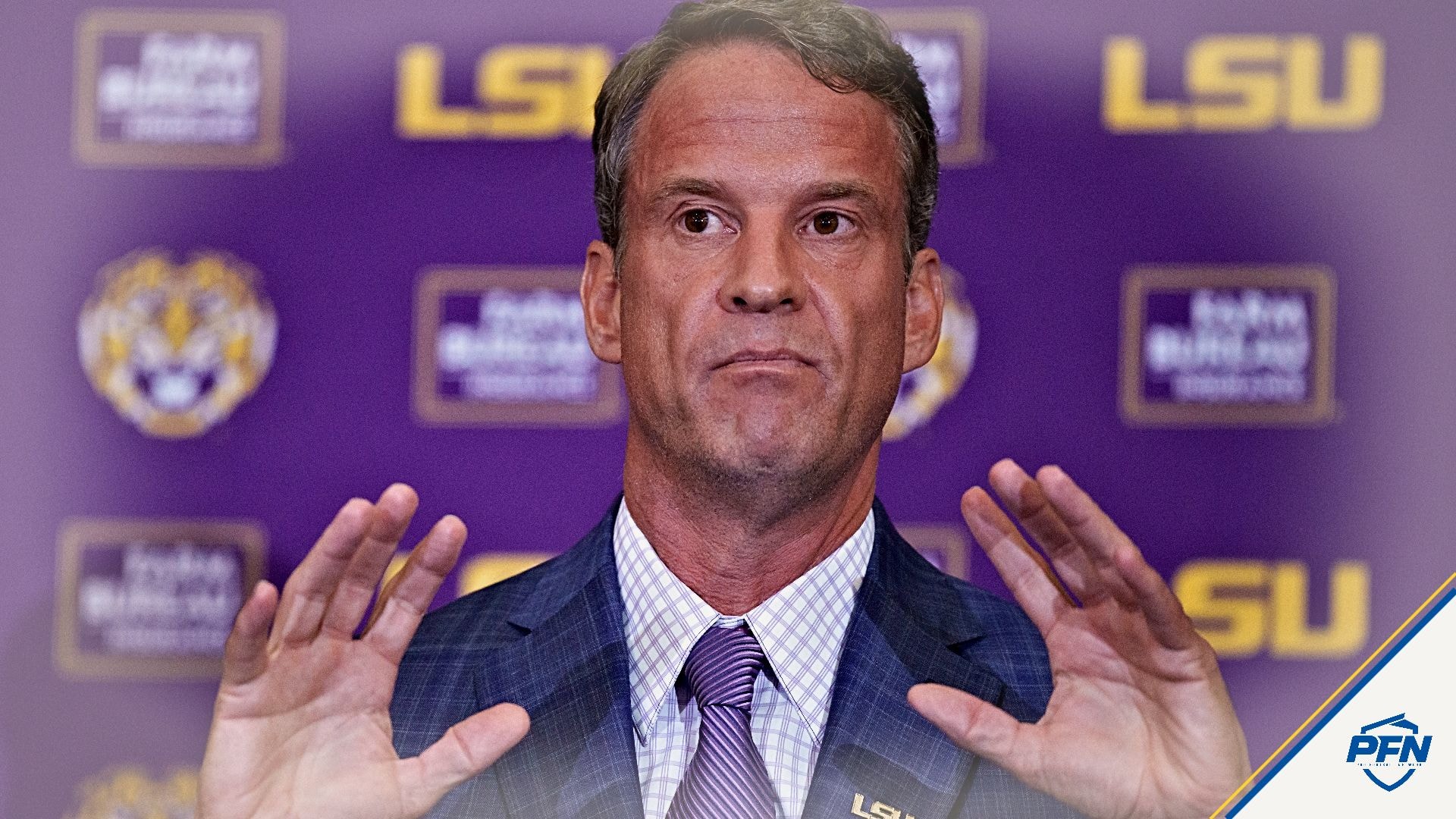
LSU head coach Lane Kiffin has once again become the center of a college football controversy, this time in a debate that has pulled Louisiana’s governor, Jeff Landry, into the conversation. In a report carried by Yahoo Sports on Aug. 27, Landry is described as making clear his support for Kiffin, a stance that triggered sharp reactions across the college football community and reignited scrutiny of what critics see as an ongoing media and political charade around the program.
The immediate topic tying the attention to Kiffin is his push to “open the door” for NFL returnees, an idea that has become a recurring talking point in modern college football. Supporters argue that it reflects the realities of player development and career timing, while critics contend it further blurs the line between college and the professional game.
In the Yahoo Sports framing, the national discussion is also being wrapped around Trinidad Chambliss, a reference that indicates deeper context and competing interpretations about LSU’s leadership environment and the messages surrounding it. The article’s headline and description indicate that commenters believe the current debate is not simply about roster strategy, but about narratives that have developed around LSU and Kiffin over time.
Landry’s backing, as described by Yahoo Sports, is a key reason the issue has expanded beyond sports talk into broader public-facing dispute. When state leadership aligns with a high-profile coach in a national controversy, it tends to amplify the story, encouraging supporters and opponents to treat the matter as larger than football, even if the on-field decisions remain the domain of the coaching staff and the NCAA system.
College football watchers will note that this is not the first time Kiffin’s brand of candor has collided with the sport’s culture wars. What is different here, based on the report’s emphasis, is the way the discussion is positioned as a long-running dispute over influence and intent, with critics arguing the “charade” has always been about something specific tied to LSU and its public posture.
For LSU, the practical stakes are straightforward even if the controversy is not. Whatever the rhetoric, the program’s ability to recruit and retain top talent depends on clarity about how it develops players, how it evaluates incoming prospects, and how it responds to opportunities at the boundary of college and professional football.
The next thing to watch is whether Kiffin’s stance on NFL returnees stays confined to messaging, or whether it translates into measurable changes in recruiting emphasis and roster strategy heading into the season. In college football, the fastest way to end a national debate is usually on-field results, but the longer the political tone lingers, the more it can shape recruiting impressions and national perception before the first snap of the year.
At the same time, the sport’s governance remains the ultimate constraint. Because college football eligibility, transfer dynamics, and permissible pathways for players are governed by NCAA rules and interpretations, any proposal or advocacy in this space has to fit within that framework, not just within public debate. As this story develops, LSU’s actions and the league’s response will matter more than the volume of commentary around it.
Why It Matters
- When state leadership publicly aligns with a major college coach in a national controversy, it can intensify scrutiny of the program and influence how recruits and media interpret LSU’s public posture.
- Debates over NFL returnees reflect how college football is adapting to player career timing, and the direction of that conversation can shape roster-building strategies across the sport.
- If the rhetoric continues to dominate the offseason narrative, it may distract from on-field priorities even when the coaching staff is focused on standard player development and evaluation.
- The story is likely to stay national in coverage because it combines high-profile coaching, eligibility philosophy, and political indicating in the same storyline.
Sources
Key Facts
- LSU head coach Lane Kiffin is at the center of a renewed college football controversy highlighted in a Yahoo Sports report dated Aug. 27, 2026.
- The report describes Louisiana Governor Jeff Landry as publicly supporting Kiffin, which drew additional national criticism.
- The debate includes Kiffin’s push to allow or “open the door” for NFL returnees, a recurring flashpoint in college football discussions.
- The Yahoo Sports piece ties the conversation to Trinidad Chambliss, suggesting critics view the current argument as part of a broader, longer-running LSU narrative.
- The controversy, as described, has grown beyond traditional sports media into a wider cultural and political dispute.