
THE APEX TIMES
Chad Pennington on staying ready late: “Your mind is continuously improving, but physically you’re just trying to hold on”
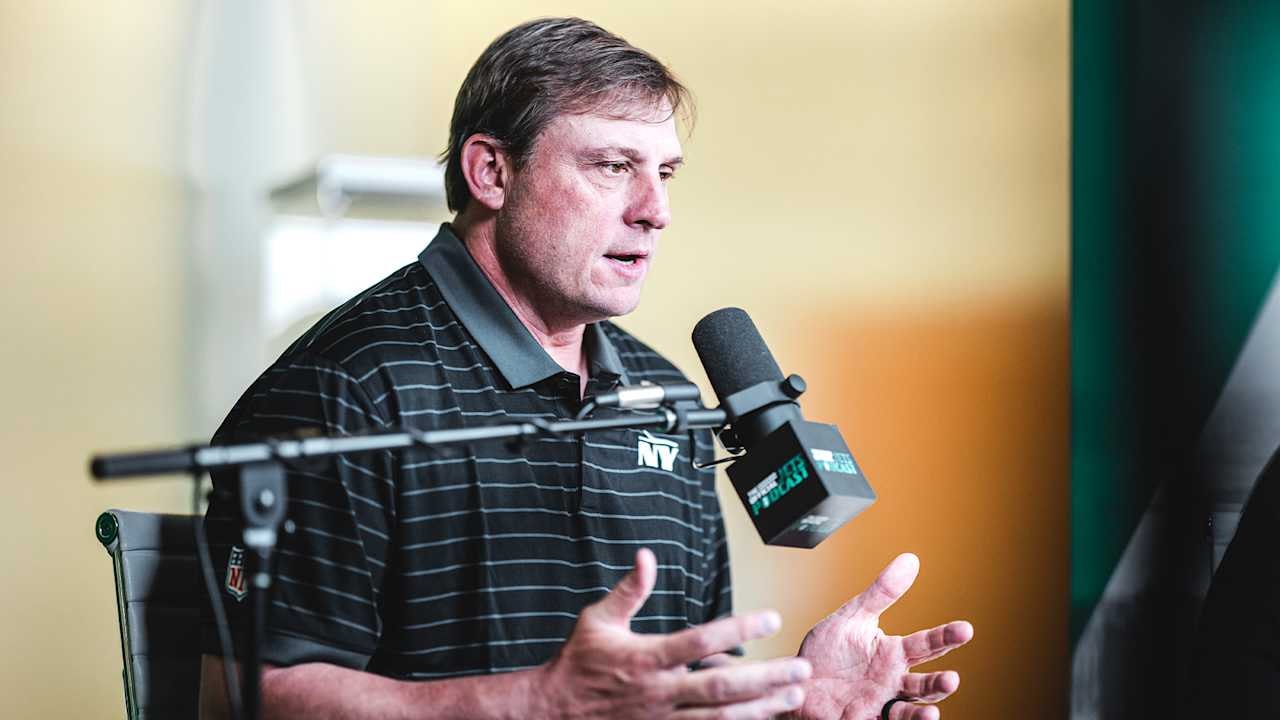
In an official New York Jets conversation released Thursday, the franchise quarterback reflects on how he managed the physical toll of shoulder issues and tailored his training as his NFL career stretched deeper.
Chad Pennington did not frame the longevity question like a simple durability story. In an official New York Jets podcast conversation released July 3, the former Jets quarterback described the late-career mindset as a balance between what can be sharpened over time and what can only be protected. He said his mental approach kept improving while, physically, he was still working to “hold on,” language that captures the grind behind playing into the later stages of an NFL career.
Pennington’s comments centered on the long-term effects of playing quarterback when the body carries a history. He noted that shoulder injuries plagued parts of his time in the league, and the implication was that training could not be treated as one-size-fits-all maintenance. For Pennington, the work had to support the specific problem areas that accumulate as seasons pass, and it had to do so while still allowing him to perform at game speed.
As he explained it in the podcast, the late-career answer was not a single magic routine but a discipline that kept his physical readiness matched to his mental readiness. He emphasized that improving your football brain does not automatically translate into being physically prepared to absorb hits and execute in the pocket. Instead, the training became a form of management, designed to keep his body close enough to “sharp” for the responsibilities of the position.
The former Jets quarterback also offered a window into how he understood “playing days” from the inside. Rather than treating workouts as a separate world from games, he connected physical preparation to the reality of weekly wear, especially at quarterback, where timing, throwing mechanics, and arm health are intertwined. By the time a quarterback is well into his career, Pennington suggested, the objective shifts from maximizing to sustaining.
Jets fans and NFL observers have often debated what separates short careers from longer ones. Pennington’s framing points to something quieter than triumphal toughness: the decision to constantly adjust and protect the body so that skill does not degrade. His shoulder history underscored why that adjustment mattered, and his description of mental growth versus physical limitation provided a more practical lens on what longevity requires.
What to watch next is how current quarterbacks interpret Pennington’s approach, because it speaks to a broader trend in the NFL where offseason and in-season training plans are increasingly individualized. Even when players are not dealing with the exact same injuries, the idea of “holding on” physically while continuing to refine decision-making is a model teams may reference in their player development conversations.
Why It Matters
- Pennington’s comments highlight how quarterback longevity often depends on sustained physical management, not only skill development.
- His shoulder-injury framing reinforces that training priorities can shift as players age and accumulate wear.
- The remarks offer a blueprint for how veteran quarterbacks may think about balancing performance and health over time.
- For the Jets organization and other teams, the story fits a wider emphasis on individualized preparation for quarterbacks and injury histories.
Sources
Key Facts
- Chad Pennington spoke on an official New York Jets podcast released July 3, 2026.
- He said his mind continued to improve as his NFL career went on, while physically he was trying to “hold on.”
- Pennington said shoulder injuries plagued parts of his NFL career.
- He described adapting physical training later in his career to keep his body sharp enough for playing demands.