
THE APEX TIMES
Chargers’ Mike McDaniel era takes shape on the practice field, with the offensive line learning to run first
Los Angeles is using a new, faster-tempo approach in spring work to install a zone-heavy identity for 2026, and the offensive line’s drill plan is built around it.
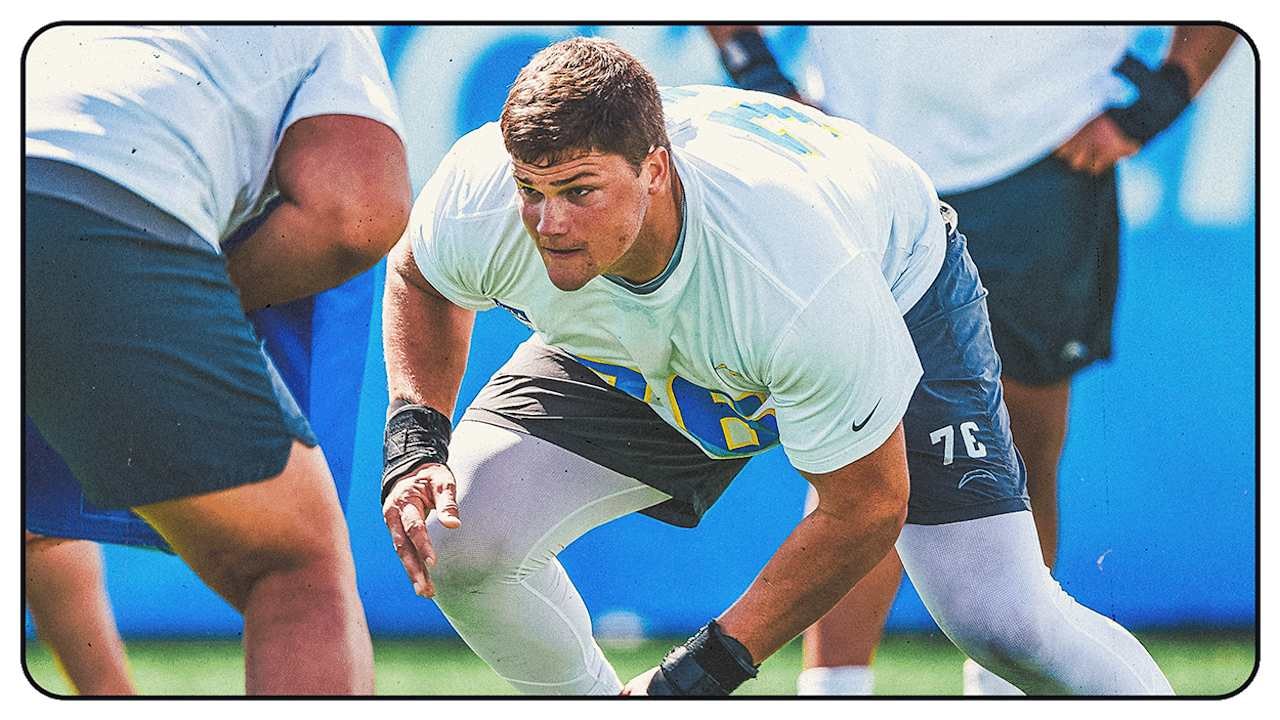
The Los Angeles Chargers’ offseason work this spring has made one theme unmistakable: the offensive line is practicing to move before it thinks. In team-reported accounts of OTAs and practices open to reporters, the group has spent repeated reps on a style that emphasizes “run off the ball” urgency and relentless pursuit angles, a deliberate setup for the scheme lead by offensive coordinator Mike McDaniel and guided at the line of scrimmage by offensive line coach Butch Barry.
Chargers sources describe the coaching message as simple, even if the execution is not. Center Cole Strange, speaking about the foundation of the system, credited the emphasis on explosiveness and getting vertical as the key instruction. Barry, in turn, has pushed the group toward speed and urgency with the idea that the style of football being installed requires them to “go” and “play fast,” not just set blocks. The result, in practice descriptions from the team, has been a routine that looks repetitive from the sideline, but is intended to tighten technique, timing, and spacing.
Part of what makes the offseason plan notable is the geographic detail. Across the practices observers have been able to see, the Chargers offensive line is working on a field that sits away from the primary media viewing area, a reminder that the emphasis is on reps and mental processing rather than highlight moments. The team also says it is operating in Phase 3 of the offseason program, with OTAs wrapping and a three-day mandatory minicamp scheduled afterward at The Bolt, a typical transition point where concepts are expected to become sharper under more structured conditions.
The Chargers’ new approach is also being framed as a variation of outside zone, where linemen block laterally and the ballcarrier follows, then makes the decisive cut upfield based on what the defense gives. In the Athletics’ reporting summarized from the same spring stretch, Barry’s teaching includes the lateral surge and the idea that the unit keeps sprinting through the play with constant coaching cues. That philosophy, the reporting indicates, is designed to translate the mechanics into a mindset that can hold up when defenses change looks, pressures, or assignments.
Tackle Joe Alt offered his own contrast to previous systems by describing how the play starts. In the team’s account, Alt said that in this scheme, linemen have assignments and technique, but the immediate emphasis after the initial look is on turning, sprinting, and running as hard as possible. He also described the mental benefit as “freeing,” because the process is less about lingering for a perfect read step and more about playing fast within the rules of the zone concept. Alt is a Pro Bowler in his second season, giving the offseason message additional credibility because it is being delivered by a player already accustomed to high-leverage football.
The practical implication for a Chargers offense is straightforward, even if the details are intricate. A zone-heavy run plan places stress on the offensive line’s angles, coordination, and stamina, and it also affects how the passing game is set up through play-action and run-game discipline. If the line can repeatedly execute the lateral blocks and sustain effort through the rep, it gives quarterbacks better timing and receivers more room to work because defenses are forced to honor the run. That, in turn, shapes how the offense can practice its whole identity, not just its run plays.
What to watch next is whether the “run, run and run” focus persists beyond the spring instructional window and into minicamp and training camp, when physicality increases and players are expected to make faster decisions with less coaching in real time. The offseason story so far suggests the Chargers are trying to build the scheme’s engine first, not just memorize formations. If that translates in live work against more varied defensive alignments, the McDaniel-Barr system may become more than a concept, it may become an operational advantage.
Why It Matters
- Installing a tempo-first identity on the offensive line can change how quickly the Chargers’ entire offense is able to operate, especially on run-pass sequence decisions.
- A zone-heavy ground scheme raises the importance of cohesion and sustained angles, making early technique emphasis a potential indicator for later consistency.
- If the Chargers can execute lateral blocking and pursuit, they can increase the threat of run action and affect how defenses commit to stopping the inside-outside flow.
- The spring focus also offers a window into how McDaniel and Barry are differentiating their approach from past line play the unit has experienced.
Sources
Key Facts
- The Chargers described spring offensive line work as repeatedly built around urgency, including instructions to “run off the ball.”
- Center Cole Strange said the system emphasizes running off the snap as a primary requirement for success.
- Offensive line coach Butch Barry has promoted a faster brand of football, emphasizing speed and playing “fast.”
- The team reported the offensive line has worked the same core routine across multiple reporter-accessible OTAs, centered on running and repeating technique.
- Chargers said they are in Phase 3 of the offseason program, with OTAs wrapping and a mandatory three-day minicamp scheduled afterward at The Bolt.
- Tackle Joe Alt described the scheme as a “freeing” style, with linemen following assignments and technique while executing a turn-sprint-run approach, reflecting differences from previous blocking systems.
- Reporting linked the teaching philosophy to an outside zone foundation where linemen block laterally and the ballcarrier reads and cuts upfield.