
THE APEX TIMES
Chargers’ Omarion Hampton usage sparks dynasty debate: Is the workload shift a warning sign?
With Omarion Hampton seeing a decrease in workload over recent weeks, Chargers fans and fantasy dynasty players are reassessing how sustainable his role is within the Los Angeles offense.
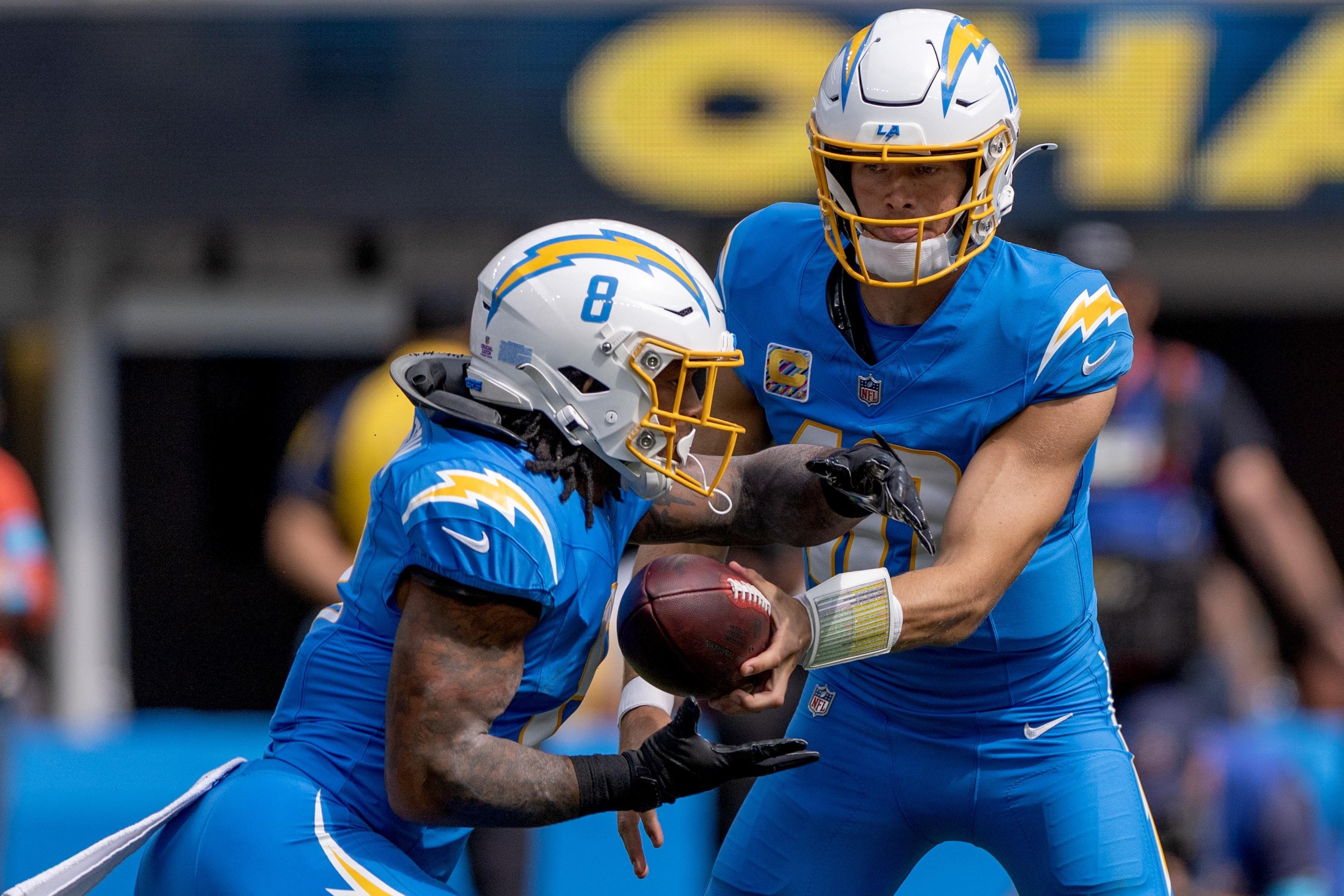
Omarion Hampton’s decreasing workload has become a live topic for Los Angeles Chargers followers, particularly for fantasy managers treating him as a core piece of a long-term roster. In a recent report from Yahoo Sports, the focus is not on a single game moment, but on a two-week pattern that has owners questioning whether Hampton’s role is trending downward or merely moving around within the same offensive plan.
The question matters because in the NFL, a back’s path to stability is often tied less to one performance and more to volume, formation usage, and how often a coaching staff trusts him in key downs. When a player’s workload drops, even slightly, the concern for dynasty builders is that touches can be volatile early in a career, and that a role carved out over time can be diluted by game-plan adjustments or competition within the position group.
Hampton is the Chargers’ featured running back option in the conversation for a reason: his value is linked to the offense’s willingness to build around the run. The Yahoo Sports piece frames the situation as a concern about Hampton’s future after the apparent decrease in workload, especially for owners who have exposure to him across multiple dynasty teams. That context indicates the emotional and strategic stakes are high, even if the underlying cause is still unclear.
It is important to separate “usage” from “ability,” because workload changes can come from many non-permanent drivers, including opponent tendencies, game scripts that favor passing or quick-hitting plays, and how often the team keeps a particular style of back on the field. A reduction over a short stretch can also reflect rotation rather than replacement, where touches are redistributed but the overall offensive identity remains similar.
Still, dynasty managers are trained to look for patterns. If Hampton’s touch share continues to slip, it could suggest the Chargers are not planning on scaling his role as the season moves deeper, which would affect how owners project his ceiling and how they weigh him against other running back options in future roster-building cycles.
From a team perspective, the Chargers’ backfield usage is also a reflection of trust. Coaches can keep a player involved through multiple avenues, not just rushing attempts, such as receiving opportunities and target routes. If Hampton’s reduced workload is tied to fewer opportunities in the passing game as well, that typically raises the bar for what he must do to regain consistent production.
For what to watch next, the simplest test is whether Hampton’s workload rebounds or stabilizes as the Chargers’ week-to-week game plans change. Fantasy and football follow-ups usually hinge on whether he returns to the snap-and-touch level owners became accustomed to, or whether the decrease becomes the new baseline.
Because the Yahoo Sports item is framed as an ownership and usage worry rather than an official transaction or injury update, this story should be treated as a fan-driven evaluation of role trends. Without additional confirmed context from team reporting or game-by-game workload breakdowns, the best takeaway is that Hampton’s near-term usage is being questioned, and that owners will look for clearer indicates in upcoming games.
Why It Matters
- In fantasy dynasty, sustained workload is often the clearest report of long-term value, so even small usage dips can change roster planning.
- For the Chargers, running back role clarity can shape how the offense is built, especially in third downs and late-game situations.
- If Hampton’s role continues to shrink, it could force a reassessment of the team’s long-range backfield plans and the internal competition within the position group.
- The next few games are likely to determine whether the workload shift is temporary game-planning variability or the start of a more durable role change.
Key Facts
- A Yahoo Sports report raised concerns about Omarion Hampton’s future after a recent decrease in his workload with the Los Angeles Chargers.
- The concern is framed through a dynasty lens, particularly for managers who own Hampton in long-term fantasy leagues.
- The article describes the issue as emerging over the last two weeks, suggesting a short-term trend rather than a season-wide evaluation.
- The piece emphasizes workload changes as the basis for worry, reflecting how touch volume affects player valuation in dynasty planning.
- The report does not, in the provided material, cite an official team statement explaining the decrease.