
THE APEX TIMES
Charles Huff keeps details tight in Tuesday’s media session ahead of UNLV opener
Speaking to reporters ahead of his team’s first game of the season versus UNLV, Charles Huff emphasized broader themes but offered limited specifics about Saturday’s opponent.
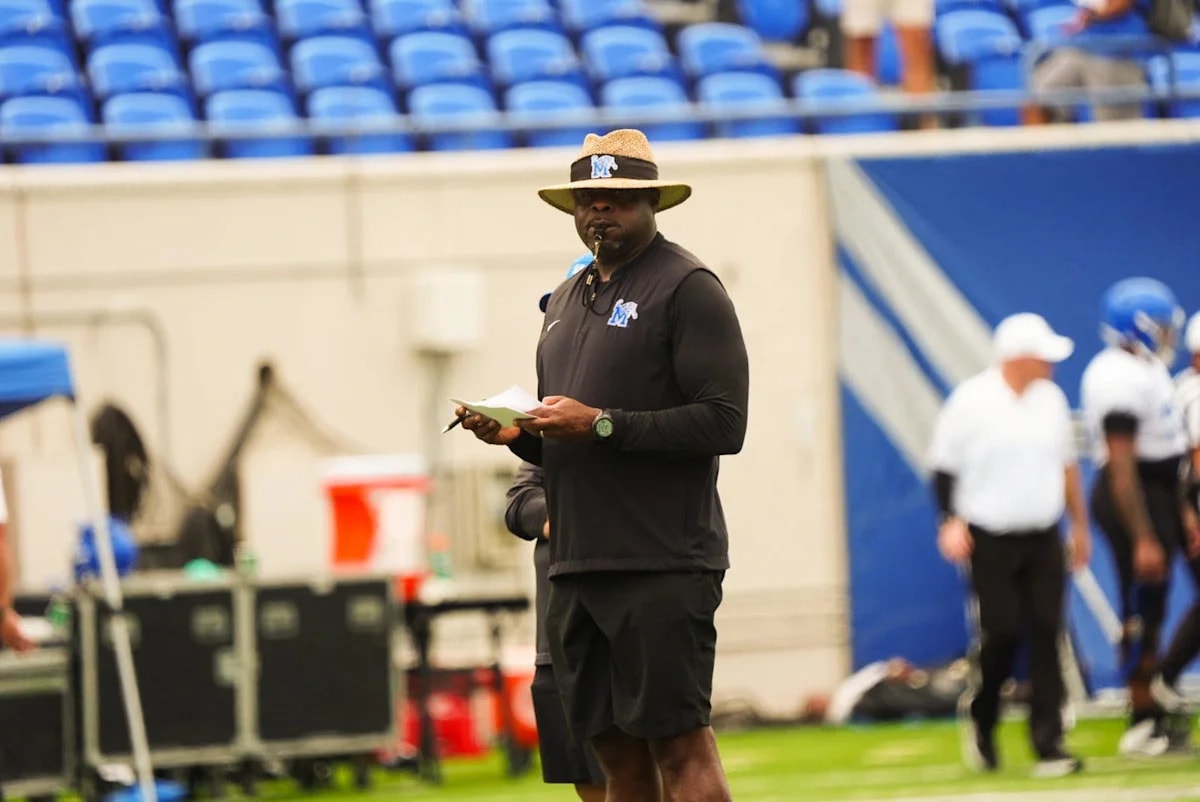
Charles Huff met with the media on Tuesday ahead of his team’s season opener against UNLV, and the message from the head coach was clear on one point, he would not provide much in the way of game-specific details. According to Yahoo Sports, Huff covered multiple topics during his press conference, but he kept the focus away from the most immediate and tactical questions surrounding Saturday’s matchup.
The timing matters. With the regular season beginning, the first week in college football is often where coaches are most visible about identities, priorities, and what they expect to decide games. Huff’s approach, as reported, suggested a deliberate strategy of narrowing the information that reaches the opponent, even while engaging the media on other aspects of preparation.
Huff’s comments came just days before the team steps onto the field against UNLV, a common kind of early-season measuring stick for any program. UNLV represents a conference opponent with its own style and personnel, and the opener typically forces coaching staffs to validate what has been built during camp. While Tuesday’s session did not appear to include much about how Huff expects that validation to play out, the act of speaking publicly at that moment is still part of how programs define their early-week focus for players and supporters.
Beyond the direct game plan, preseason press conferences often serve as a platform for coaches to frame the season internally. Even without releasing opponent-specific content, a head coach can still stress process goals, execution standards, and the type of football the team wants to play. Yahoo Sports’ report that Huff “talked about multiple topics” indicates he used the day for broader-setting communication, even if he didn’t give reporters much of what they likely wanted most, specifics on UNLV.
Because the available material does not include the full set of Huff’s responses, it is not possible to attribute particular quotes or claims about personnel, matchups, or tactical adjustments to the coach. This story therefore centers on what was explicitly reported: a Tuesday media appearance ahead of an opening-week game against UNLV, with limited disclosure about the upcoming contest.
Looking ahead, what to watch next is the first week’s transition from camp language to on-field evidence. How the team handles its opening-drive decisions, quarterback play progression, and in-game adjustments will ultimately clarify the coaching staff’s priorities, regardless of how tightly Huff chose to manage the information flow on Tuesday.
If Huff continues this pattern of keeping opponent-specific details guarded, it may also shape how quickly UNLV learns what to prepare for in practice. For fans, the practical takeaway is that the coaching staff may be emphasizing readiness and execution over public theatrics, with the opener becoming the first real document of the season’s direction.
Why It Matters
- In college football, early-season openers are often where teams confirm their identity, even when coaches keep tactics private.
- A coach’s level of disclosure can affect how opponents plan practice priorities in the final days before kickoff.
- Tuesday’s press conference sets the tone for how the season will be framed publicly while game-day execution becomes the real benchmark.
- For fans and players, limited tactical hints increase the value of the opener as the first clear scoreboard for preparation.
Key Facts
- Charles Huff held a media session on Tuesday ahead of the first game of the season against UNLV.
- Yahoo Sports reported that Huff discussed multiple topics during the press conference.
- Yahoo Sports also reported that Huff did not share a lot of detail about Saturday’s game against the Rebels.
- The emphasis in the available reporting is on broad communication rather than opponent-specific information.