
THE APEX TIMES
Chiefs’ final preseason snapshot points to Marcus Harris as a roster winner
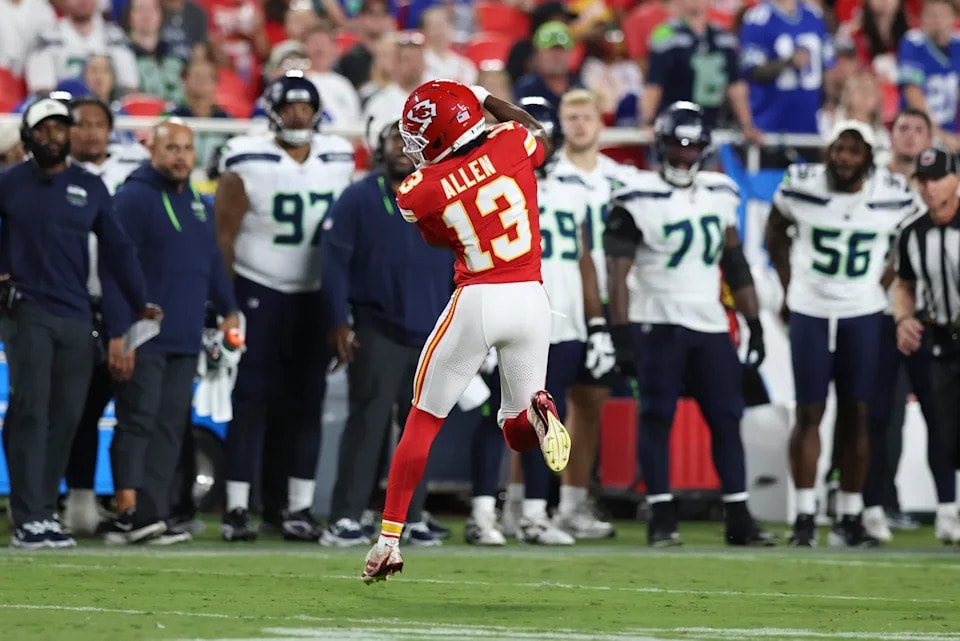
Kansas City’s Week 3 exhibition snap-count review highlighted Marcus Harris earning meaningful playing time as the Chiefs tightened their final cuts picture.
The Kansas City Chiefs’ last preseason game is often less about starters and more about who can hold onto a role, and a snap-count review from the Chiefs’ third exhibition game did just that. In the rundown of Kansas City’s most notable usage patterns, Marcus Harris stood out as a player who appeared to earn a roster spot through the kind of availability coaches trust during late-game reps and contingency packages.
Snap counts are a useful proxy for what a depth chart is becoming, especially in August. Starters typically see limited time, and special teams and situational packages take on outsized importance. A team’s final roster decisions often come down to who can be relied upon across multiple snaps, not just who flashes for a series. In that framework, Harris’ appearance in the critical “final notes” category suggests the Chiefs viewed him as more than an emergency option.
The report framed its takeaways around the Chiefs’ final exhibition snap distribution, pointing readers to the most important coaching indicates from the Week 3 game. While preseason snap counts do not translate directly to regular-season roles, they can reveal how coordinators are thinking about depth responsibilities, including which players are being trusted to execute on the margins when the game state changes.
For Kansas City, the roster picture is always complicated by its need to stay flexible. Even if the Chiefs keep their core offensive and defensive units stable, the late-preseason weeks determine how many true “play-callable” players are carried at each position group. Harris earning roster-spot traction in the snap-count breakdown suggests he may have been at or near the top of the internal competition for a role that requires staying ready, taking coaching, and performing in a faster tempo than practice reps can replicate.
What makes this kind of preseason analysis especially relevant is the timing. Week 3 is typically where teams begin to separate the “on the roster bubble” from the “almost certainly safe,” and usage patterns are a language teams use when they do not want to spell out their depth-chart plans publicly. In that sense, Harris being singled out as having earned a roster spot is a reminder that the Chiefs’ evaluation process is still live right up to roster finalization.
Still, there is a caveat to keep in mind: snap counts do not guarantee week-one deployment, and preseason performances can be influenced by how a game unfolds. The important takeaway is not that Harris is automatically locked into a starting role, but that Kansas City appears to have valued his ability to contribute in the reps that coaches can most quickly measure, namely playing time that goes beyond one brief look.
Looking ahead, the primary question becomes how the Chiefs translate this preseason trust into the regular season. Fans should watch whether Harris’ role expands early, whether he is kept active for particular packages, and whether his offseason trajectory continues once Kansas City begins relying on deeper game plans instead of exhibition experimentation.
Why It Matters
- Roster spots in the NFL are often won in late-preseason reps, and Harris’ usage suggests Kansas City saw a clear fit for a reserve role.
- Depth-chart flexibility is critical for a contender, and preseason snap patterns can foreshadow who is “play-callable” when starters are limited.
- The Chiefs’ early regular-season deployment will determine whether this snap-count trust becomes an actual rotation position.
Sources
Key Facts
- A snap-count breakdown from the Chiefs’ final preseason exhibition game highlighted Marcus Harris as a player who earned a roster spot.
- The analysis focused on Kansas City’s Week 3 snap patterns, emphasizing what the team’s usage suggested about roster decisions.
- Snap counts in late preseason games often reflect trust in depth roles, special teams work, and situational packages.