
THE APEX TIMES
Chourio lifts one high enough to reach the camera well, and the moment turns memorable
Jackson Chourio hit a homer at Las Vegas Ballpark that made contact with equipment well above the left-center-field wall, turning an ordinary outfield view into a cautionary broadcast moment for everyone at the park.
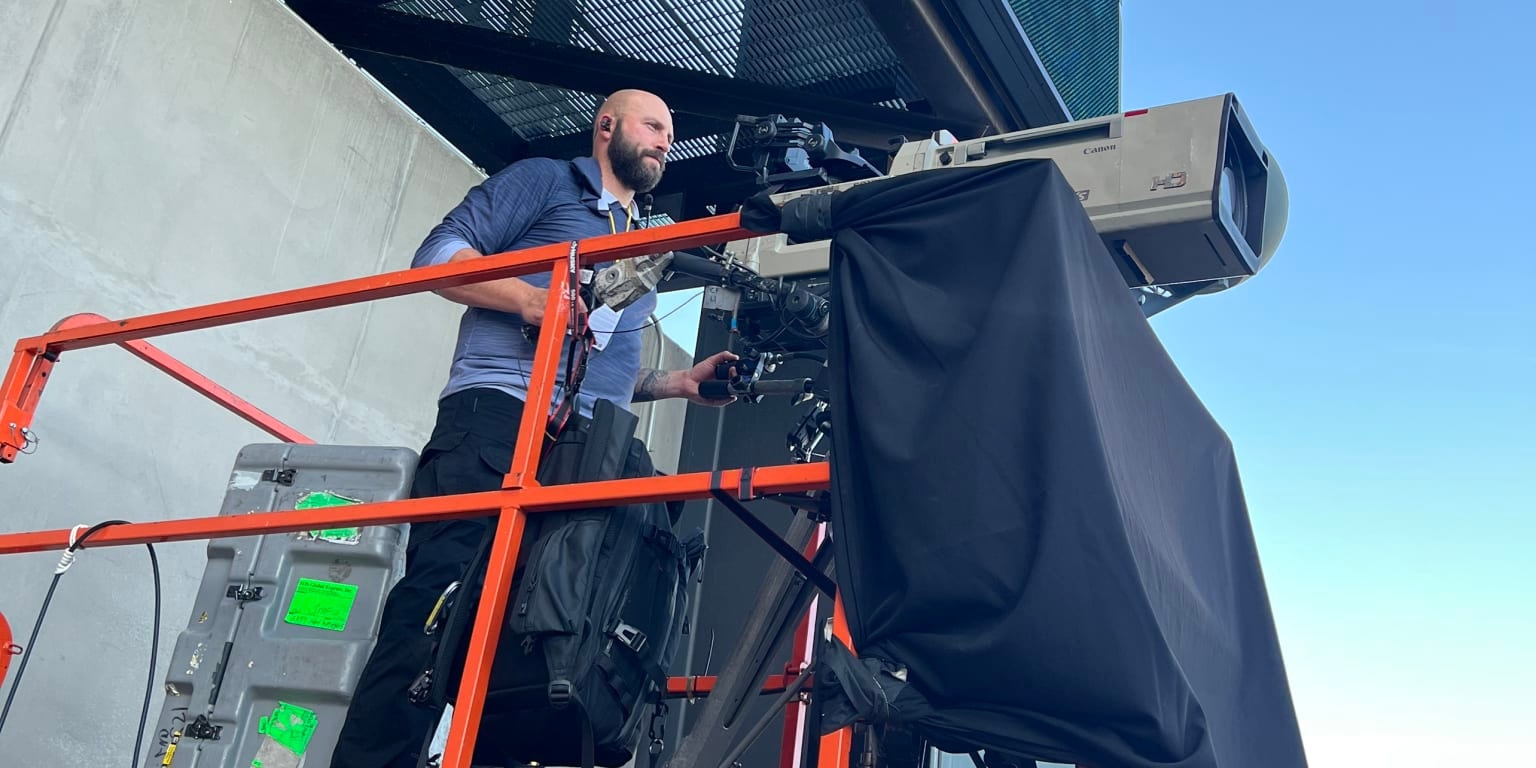
Jackson Chourio’s latest big swing created an unusual problem at Las Vegas Ballpark on Wednesday. The Brewers outfielder sent a home run toward the upper reaches of left-center field, and rather than disappearing harmlessly into the night, the ball reached the camera well area that typically sits out of danger from normal fly-ball carry.
In MLB’s own account of the play, the league noted that the camera well in that part of the ballpark is positioned far above the wall and generally kept safe from flying balls. Chourio changed that expectation. His homer did not just clear the batter-friendly elevation of the outfield, it reached a space reserved for the broadcast crew, a reminder that the margin between a routine highlight and an operational headache can be thin at modern stadiums.
Las Vegas Ballpark has been built with an emphasis on the broadcast experience, including elevated angles that can track pitches and follow the flight of balls into the outfield. When a ball comes back down from that same height and trajectory, it can test the assumptions that go into camera placement and protective design. MLB framed the incident as a “look out” moment, underscoring that the equipment is designed with the expectation that it will be sheltered from the typical range of batted-ball outcomes.
The key point for fans is that homers are not only a measure of power, they are also a measure of how well a hitter matches a specific swing plan to the ball in play. Chourio, in this case, produced enough carry and trajectory to reach a region that is usually reserved for the ball’s final observational “staging area,” the point where cameras capture the ball’s story long after it leaves the strike zone. That kind of distance is part of why outfield fencing and ballpark dimensions remain such a central theme across the sport.
For the Athletics and the Brewers, the immediate baseball value comes from the run impact associated with any homer, but this particular one will be remembered for a different reason: it intersects the ecosystem that supports MLB’s in-stadium and broadcast coverage. When a play affects the camera area, it draws attention not only to the hitter’s output, but also to how teams, ballparks, and MLB production teams think about safety and contingency.
What to watch next is how stadium operations handle outlier events like this. MLB ballparks use layered planning for equipment locations, field protection, and camera angles, and moments like this can lead to incremental changes in procedure, coverage protocols, or protective measures even when the design is fundamentally sound. For hitters, it serves as a practical reminder of how a single well-struck ball can travel farther than the human eye might initially predict from field level.
Why It Matters
- It highlights how modern ballparks rely on fixed broadcast infrastructure that can be tested by extreme batted-ball outcomes.
- The moment underscores the difference between routine home-run carry and power that reaches operationally significant parts of the field.
- For players and teams, it reinforces the ongoing value of well-struck pitches that can produce unexpected distance and trajectory.
Key Facts
- Jackson Chourio hit a home run at Las Vegas Ballpark that reached the camera well area in left-center field.
- MLB reported that this camera well is typically positioned far above the left-center-field wall and is generally safe from flying baseballs.
- The play occurred during a Brewers game against the Athletics on Wednesday, according to MLB’s account.
- The incident is notable because the ball met equipment used for the broadcast perspective, not just the outfield stands or fence area.