
THE APEX TIMES
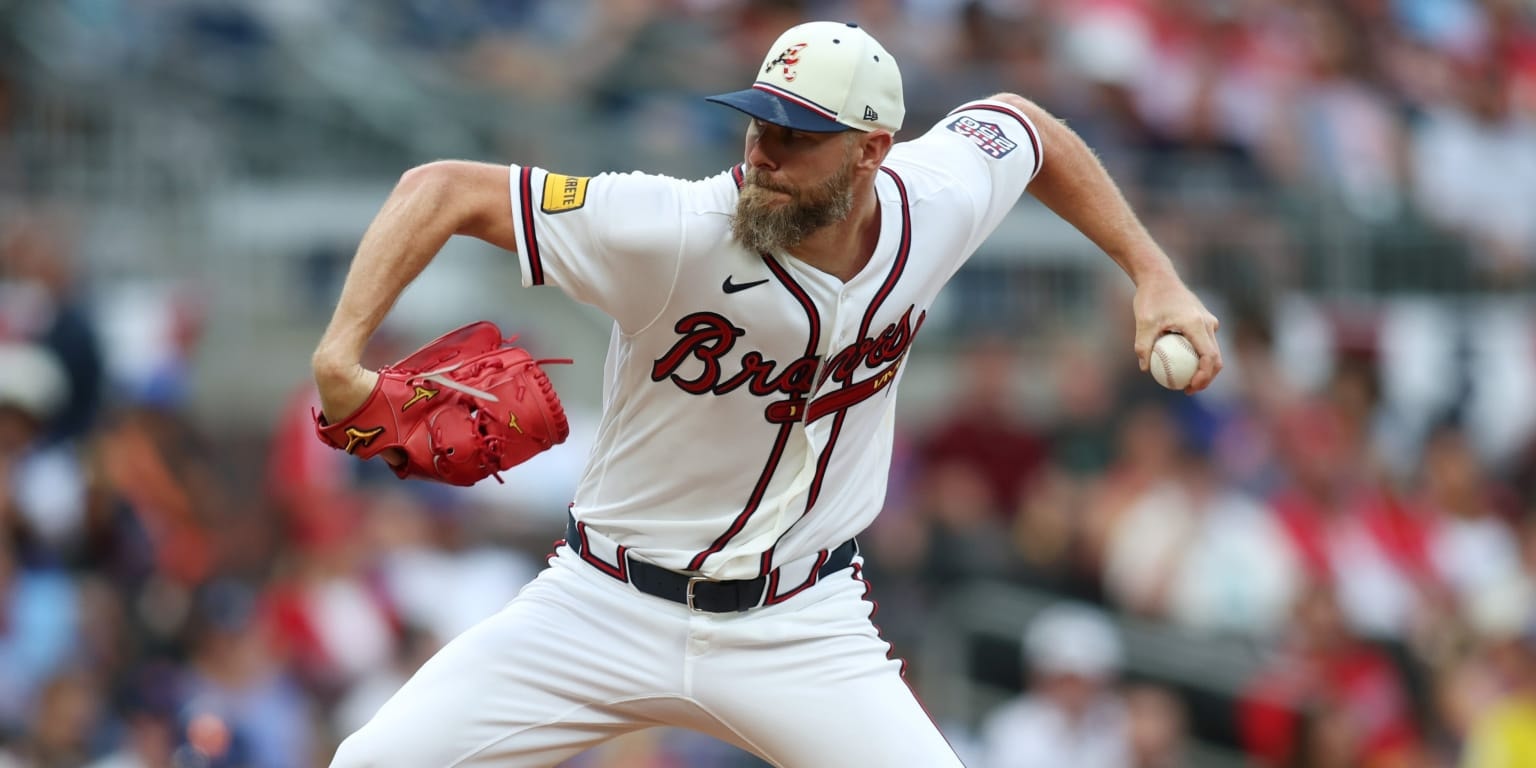
Chris Sale set to open Braves’ second half as Atlanta turns toward Trade Deadline stretch
The left-hander will start on July 17 as the Braves begin a pivotal run that will shape their approach ahead of MLB’s July Trade Deadline.
The Atlanta Braves will turn to Chris Sale to open the second half, with the veteran left-hander slated to get the ball on July 17 as the club enters a key stretch before the Trade Deadline. The setting is familiar for Sale, who has been the first-half centerpiece of Atlanta’s rotation and one of its clearest indicators of stability while the rest of the staff gets its work in.
Sale’s first half performance is a big part of the reason Atlanta is leaning on him as the month turns. According to MLB’s team coverage, he finished the first half with a 9-6 record and a 2.20 earned run average. Those numbers are not simply solid for a starter, they are close to the kind of run prevention that changes the tone of a lineup when he is on the mound.
The Braves are not treating this second-half start as a ceremonial moment. In MLB, the first game of the second half quickly becomes a reference point, a way to see whether a team’s October plans are real or theoretical. With Atlanta beginning its Deadline window, Sale’s outing carries a practical weight: it sets one of the most valuable pitching rhythms a contender can rely on as the schedule tightens.
MLB’s outlook frames Sale as continuing a multiyear role as Atlanta’s most effective starter, suggesting that his impact is not a one-month surprise. For a front office considering how to reinforce depth, the simplest decision-making tool is how dependable your best arm remains. If Sale continues to control innings the way he did in the first half, the Braves can think more selectively about what they need to add and where they can afford flexibility.
There is also a broader matchup effect. A low ERA starter influences how opponents manage their lineups, including pinch-hit timing, bullpen usage, and the approach to facing left-handed power. Even without naming specific teams or opponents, the basic reality is that a pitcher running at a 2.20 ERA profile forces other clubs to treat each start as a potential turning point, and it gives Atlanta a better chance to win the series that matter most during a Deadline chase.
For Braves fans, what to watch next is not only whether Sale can replicate his run prevention, but how the rest of Atlanta’s rotation and bullpen respond around him. Second-half baseball often rewards teams that protect leverage innings early, so the sequence of games surrounding Sale’s start can indicate how well the club is positioned to stay in contention while the organization evaluates its roster needs ahead of the Deadline.
If Sale’s early second-half form holds, it will reinforce the idea that Atlanta’s best pitching remains a constant, not a temporary advantage. If it does not, the Deadline conversation becomes more urgent, because starters who miss their command or effectiveness can quickly change a team’s playoff distance.
In the days ahead of the Trade Deadline, the Braves’ next moves will likely be shaped by the same question Sale answers with his work: can Atlanta keep giving its lineup innings that look like wins, even as the calendar turns? Starting the second half with Sale is a clear statement that the club is betting on reliability at the front of its rotation. That choice, and its results, will be worth measuring game by game.
Why It Matters
- Sale’s effectiveness sets the tone for Atlanta’s Deadline-window performance, because a top starter can stabilize series outcomes when matchups tighten.
- A proven ace-level profile reduces the risk of needing emergency rotation reinforcement and can influence the Braves’ trade priorities.
- How Atlanta handles the games surrounding Sale’s start can indicate how prepared the bullpen and lineup are for the leverage innings that follow.
- October positioning is rarely built in one week, but it is often shaped by how a contender starts the second half, and Sale’s outing becomes an early barometer.
Key Facts
- Chris Sale is scheduled to open the Braves’ second half with a start on July 17.
- MLB’s team coverage describes Sale as Atlanta’s most effective starter this first half.
- Sale posted a 9-6 record in the first half.
- Sale posted a 2.20 earned run average in the first half.
- MLB’s outlook characterizes Sale’s impact as part of a multiyear pattern with the Braves.
- The second-half stretch is positioned as important for Atlanta’s approach ahead of the Trade Deadline.