
THE APEX TIMES
Chris Sale steadies traffic in six strong innings as Braves keep Brewers at bay
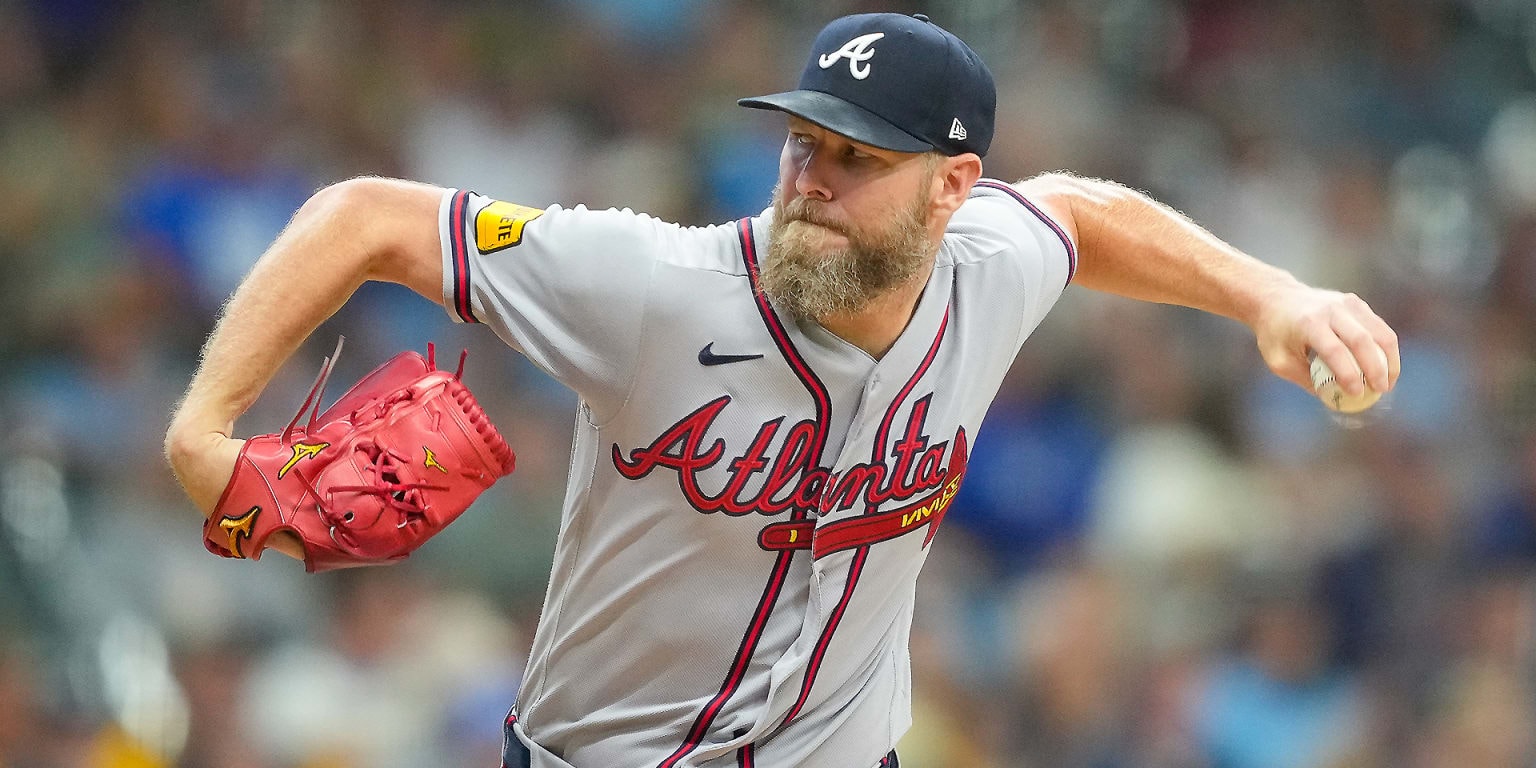
Sale allowed two runs over six innings Friday afternoon, limiting damage even when baserunners reached in a game that demanded patience more than dominance.
MILWAUKEE. Chris Sale managed the most dangerous part of pitching, getting through the middle innings with traffic around him, and the Braves benefited from that steadiness. In Friday’s start against the Brewers, Sale was not consistently overwhelming, but he stayed effective, keeping Milwaukee from turning early chances into crooked numbers and finishing with two runs allowed over six innings.
The theme of the outing was control under strain. Sale worked through jams by preventing extra damage once runners were on base, an approach that matters in games where one missed location can flip an inning from manageable to decisive. According to the Braves game recap, Sale repeatedly avoided letting situations “turn into much more,” even when baserunners were present.
With the game moving through its sixth-inning checkpoint, Sale’s ability to end innings cleanly became the difference between a competitive frame and one that spiraled. Limiting scoring to two runs over six innings is often the kind of line that does not steal headlines, but it gives a bullpen a clear assignment and keeps run support relevant.
For Atlanta, the result of Sale’s start was also about leverage. In MLB, the ability of an innings-eater to keep scoring down shapes how late-inning decisions are made. Even without needing a spell of strikeout dominance, Sale’s effectiveness meant the Braves could operate without chasing the game from far behind.
The Brewers, meanwhile, faced a starter who kept them from getting comfortable with runners on base. Sale’s performance suggests Milwaukee had to make repeated, quality swings to convert innings rather than relying on momentum. When hitters can’t add on after each threat, a lineup eventually runs out of innings to correct itself.
What to watch next is how Atlanta uses the rest of the rotation and bullpen after Sale’s six-inning workload. If the Braves can get this same kind of traffic management from other starters, they increase their flexibility in close contests and protect late leads when the margin tightens.
For Sale, the key question moving forward is consistency: not whether he can be perfect, but whether he can continue finding the right balance between efficiency and command when hitters are on base. Friday’s outing showed he can do the unglamorous version of being dominant, the one that keeps games from getting away early.
Why It Matters
- A two-run, six-inning start changes how a team manages its bullpen, because it reduces the need to bridge multiple high-leverage innings.
- Pitching effectiveness in traffic is often more valuable than pure dominance, since it limits how quickly an opponent can build a big inning.
- For Atlanta, Sale’s outing supports the broader goal of keeping games within reach so late-inning matchups remain workable.
- For Milwaukee, it highlights the challenge of converting runner-on opportunities into multi-run frames against a controlled starter.
Sources
Key Facts
- Chris Sale pitched six innings against the Brewers on Friday afternoon.
- Sale allowed two runs in the outing.
- The Braves game recap characterized Sale’s performance as effective even with traffic on base.
- The story emphasized that Sale prevented Milwaukee threats from becoming larger innings.