
THE APEX TIMES
Christian Gurdak’s arrival could reshape Rutgers’ frontcourt identity in 2026-27
With Rutgers aiming for a steadier run at Big Ten contention, the addition of center Christian Gurdak stands out as the kind of transfer that can change how a team scores, rebounds, and matches up inside.
Rutgers’ offseason reshaping process is partly about new faces, but it is also about fixing a repeated problem in the program’s Big Ten journey, frontcourt consistency. In 2021 and 2022, the Scarlet Knights reached the NCAA Tournament under coach Steve Pikiell, an era that fans still reference as proof Rutgers can compete at a high level. Since then, Rutgers has had more seasons defined by near misses and slow starts, including a reported 14th-place finish in the Big Ten, which only raises the pressure for the 2026-27 roster to look more complete.
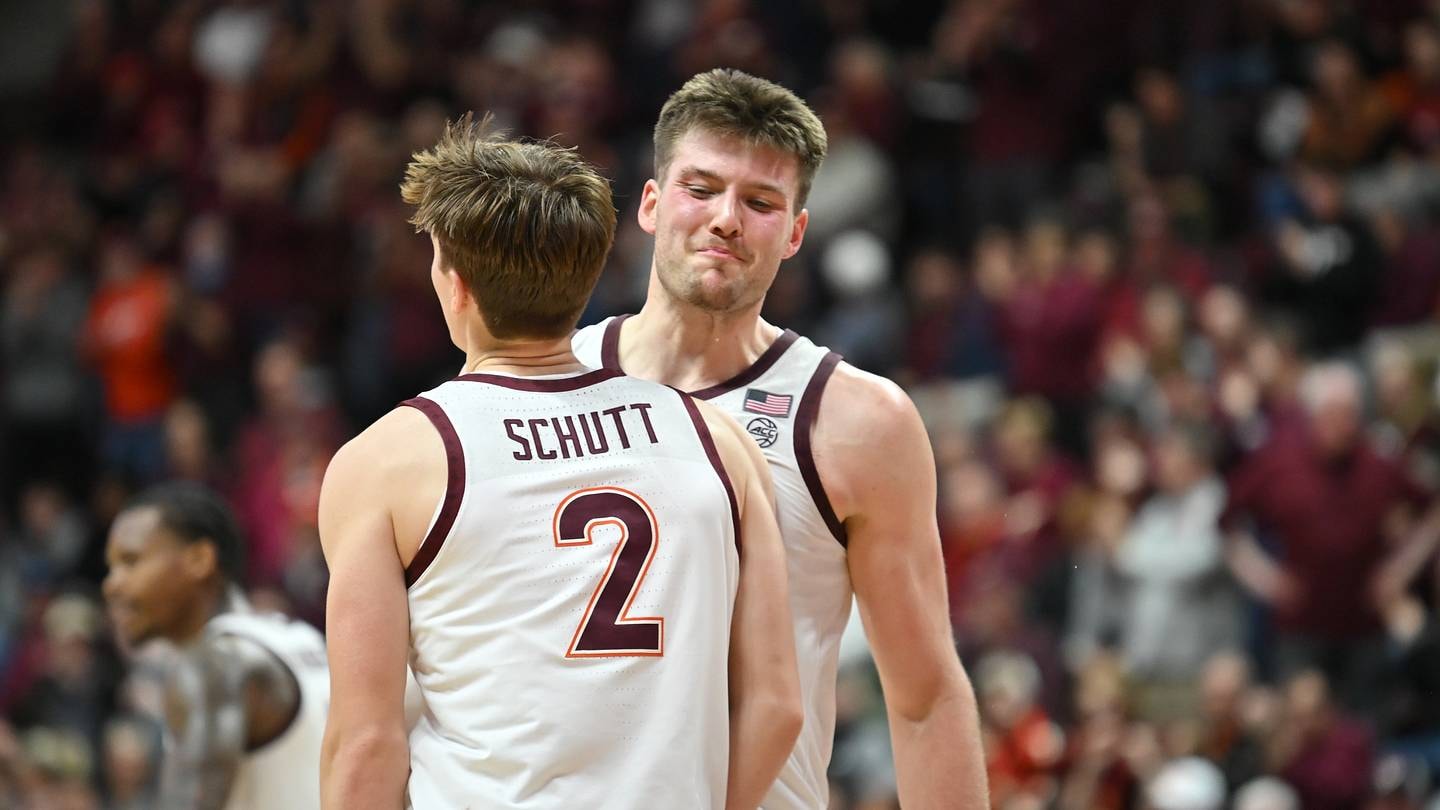
The transfer that stands to matter most for that completeness is Christian Gurdak, a center arriving from Virginia Tech. Rutgers has been returning a meaningful group from last season, with multiple players averaging at least five points per game, and the backcourt focal point highlighted as Tariq Francis, along with senior Darren Buchanan and senior Jamichael Davis returning as well. But even with continuity in the guard rotation, a Big Ten schedule usually forces teams to win the interior matchup, both in possession creation and in defensive rebounds, and that is where Gurdak’s skill set has drawn attention.
Gurdak’s profile, as described in national college-basketball coverage, fits a role Rutgers has been seeking: an interior player who can provide offense and rebounding from the most important position on the court. Sports Illustrated framed the move as solving a positional imbalance, describing anxiety in the Rutgers fanbase during the early stages of the 2026 transfer window and the fear the roster would again become guard-heavy without the front-court presence needed to withstand the physical Big Ten style.
That need is not theoretical. Rutgers’ roster-building challenges in the conference are commonly tied to how hard it is to create high-quality looks against teams that can protect the paint and pressure the ball. A center addition like Gurdak is often the hinge in that equation, because it gives a coach a different option set, from interior scoring to setting up post touches that also open space for outside shooting. When Rutgers is able to keep that interior threat on the floor, the entire lineup tends to function differently, especially late in games when the Big Ten leans into half-court execution.
The context for Rutgers’ 2026-27 objectives is straightforward: the program has the coaching continuity and enough proven talent on the roster to win games, but it needs to close gaps that have cost it consistency. Gurdak’s arrival is being treated as a step toward that closure, with multiple evaluations of the newcomer emphasizing his hands, interior skill, and ability to operate as a space-eating big man. Rutgers’ most important question now becomes how quickly the new center fits into the team’s offensive timing and defensive rotations, not whether he is talented enough on paper.
There is still a practical caveat with any transfer-centric storyline: roster fit is never guaranteed, and Big Ten play is unforgiving to lineups that do not communicate well on rotations or miss too many rebounding chances. Rutgers also has to integrate the incoming frontcourt while preserving chemistry with returning guards. The upside is clear though, a real interior presence can give Rutgers more margin, particularly in games where outside scoring is volatile and rebounds decide possession advantages.
What to watch next is how Rutgers uses Gurdak in its early 2026-27 practices and preseason matchups, especially in pick-and-roll coverages, rebound responsibilities, and how often he becomes the first option in the paint. If he can reliably affect games on the glass and convert touches into points, his impact will likely show up in the same ways Rutgers needs most: fewer wasted possessions, more stable defensive rebounding, and a clearer path to turning late-game pressure into points rather than desperation shots.
Why It Matters
- A center who can control rebounds and add interior scoring can change Rutgers’ Big Ten matchup profile, especially against teams built to defend the perimeter.
- Roster balance matters in a league where half-court possessions are precious, and Gurdak’s presence could increase Rutgers’ high-quality shot creation inside.
- If Rutgers’ returning backcourt has a reliable interior option, its offense and late-game decision-making can become more consistent.
- The addition also offers a clearer identity for Rutgers’ recruiting and development pipeline going forward, because it indicates a commitment to building a functional frontcourt rather than relying primarily on guards.
Sources
Key Facts
- Rutgers reached the NCAA Tournament in 2021 and 2022 under coach Steve Pikiell, but has struggled to find consistent success since.
- Rutgers is reported to have finished 14th in the Big Ten in its most recent season referenced in the coverage, increasing urgency for 2026-27 improvement.
- The centerpiece of Rutgers’ 2026-27 transfer narrative is Christian Gurdak, a center transferring in from Virginia Tech.
- Rutgers is also returning several contributors from last season, with coverage highlighting Tariq Francis as a focal point and naming Darren Buchanan and Jamichael Davis among returning seniors.
- National basketball analysis of the move frames Gurdak as an interior player who can add offense and rebounding in a position Rutgers has been trying to strengthen for Big Ten competitiveness.