
THE APEX TIMES
Christian Scott’s early steadiness fades as Astros score three in the sixth to beat Mets
New York managed only one run in the opener of its series with Houston, getting its offense started on a Carson Benge RBI double before the game tightened and the Astros took control late.
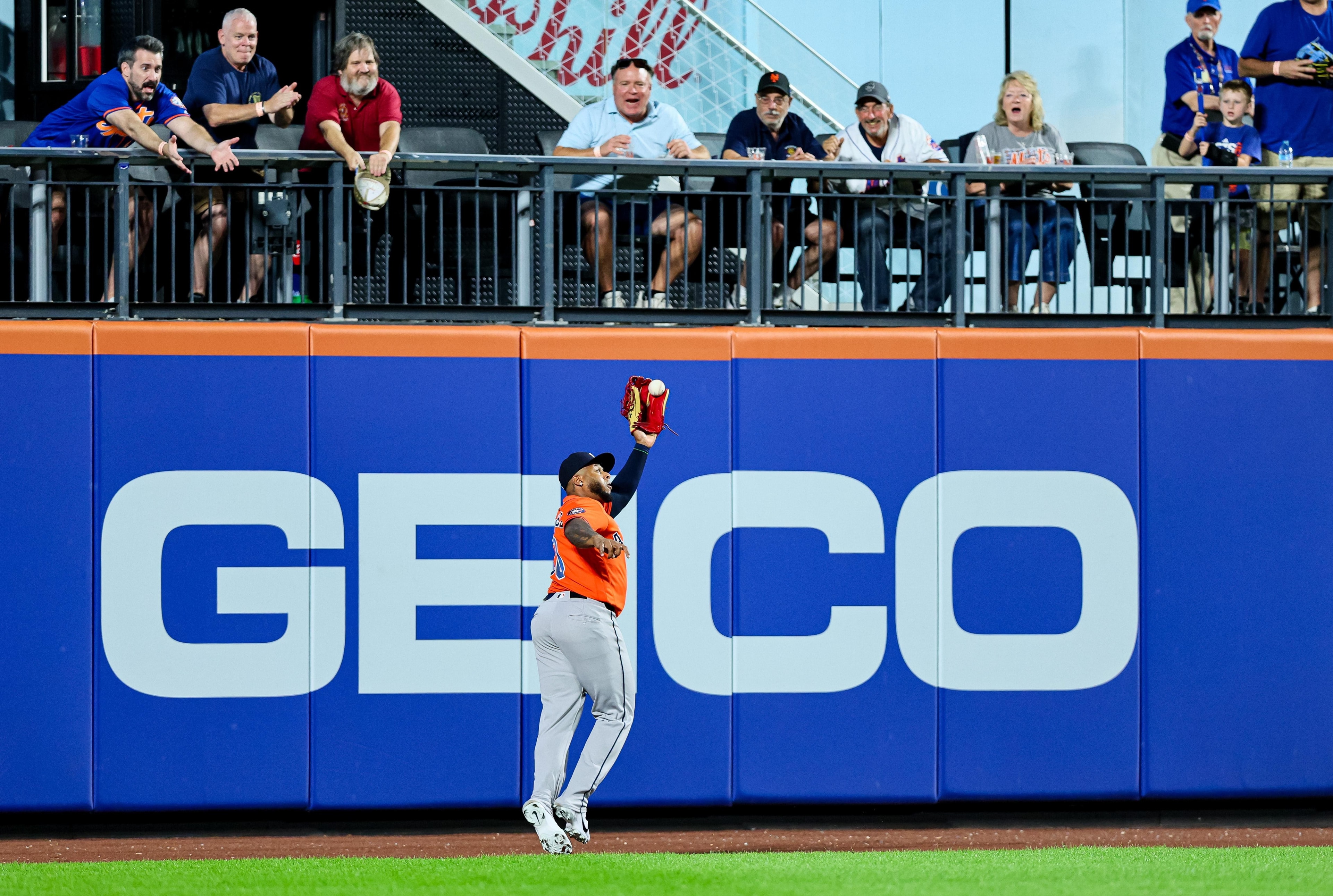
The Mets’ weekend began with another tough loss, this one in the opening game of a series against the Astros. Houston made the decisive move after New York had kept things relatively in check for much of the night, pushing across a three-run burst in the sixth inning. By the time the late innings arrived, that swing had already done the job, with the Astros’ margin holding steady to a final result that left the Mets still searching for consistent production.
On the offensive side, New York’s scoring output was limited. The Mets registered a single run, and it came thanks to a Carson Benge RBI double. That hit gave the Mets an early look at what might have been a more sustained rally, but it also underscored how thin their margin was: after the one run, the order struggled to generate additional damage, leaving runners stranded as Houston tightened its grip.
Christian Scott, a key figure on the Mets’ pitching staff for this matchup, set a strong early tone. According to the game report, Scott held Houston scoreless through the first five innings. For a starter, that kind of first-hour control matters, especially in a one-run, one-decision type environment, because it allows an offense to stay within striking distance and it also gives the bullpen a cleaner path later in the game.
The turning point came when that rhythm broke in the sixth. The Astros were able to push three runs across, a surge that flipped the ledger quickly and changed how New York had to play the rest of the way. Once Houston took the lead with room to spare, the Mets’ priorities shifted from manufacturing incremental pressure to trying to generate bigger swings with less time and fewer baserunners. In close games, that adjustment often determines how many chances remain.
Houston’s ability to score in a concentrated stretch also meant they did not need to chase further late-game leverage. The report indicates the three runs were all the Astros would end up needing, which is a reminder of how crucial single-inning outcomes can be when an opponent’s offense is working with limited output. In these kinds of contests, once the pitch count and the momentum tilt, an offense can run out of the at-bats it needs to force a comeback.
For the Mets, the result is likely to sharpen the focus on tightening up after early control and maximizing every scoring opportunity. An RBI double in the first half is a start, but Saturday’s lesson, at least in this game, is that one run does not translate into wins unless more of the lineup connects as the innings progress and the bullpen keeps the margin from growing after the starter exits or the middle innings swing.
Looking ahead, the follow-up question for New York will be whether it can build better second and third looks against Houston pitching after the first sign of life from Benge. For Houston, the bar is simpler: repeat the approach that produced the sixth-inning eruption and keep the game managed so that a modest scoring total is enough. With games in series often decided by one inning and one lineup reaction, the next chapter of this matchup will likely turn on who adjusts faster after the sixth-inning pattern became the story.
Why It Matters
- A three-run inning swing is often the difference in series openers, and it quickly changes the matchup’s pressure points for both bullpens and lineups.
- For the Mets, limited run production makes every scoring opportunity more consequential and increases the need for additional hits after the initial damage.
- For the Astros, getting the offense moving in the sixth shows how they can turn early timing and pitch selection into a decisive stretch.
- With series momentum built around middle-innings outcomes, the next game will likely revolve around whether New York can break the Astros’ late-inning pattern.
Key Facts
- The Mets lost the series opener to the Astros on August 29, 2026.
- New York scored only one run in the game.
- That lone run was driven in by Carson Benge on an RBI double.
- Christian Scott held Houston scoreless through the first five innings.
- The Astros scored three runs in the sixth inning.
- Houston’s three-run advantage was enough, as it was the Astros’ final run total.