
THE APEX TIMES
Cincinnati’s new era hinges on MJ Collins Jr., but eligibility uncertainty could shape the entire 2026-27 fit
As the Bearcats shift into a different coaching and roster identity, MJ Collins Jr. is being framed as the transfer with the most potential swing factor. The central question is whether he can be cleared in time to change how Cincinnati plays from the start of the season.
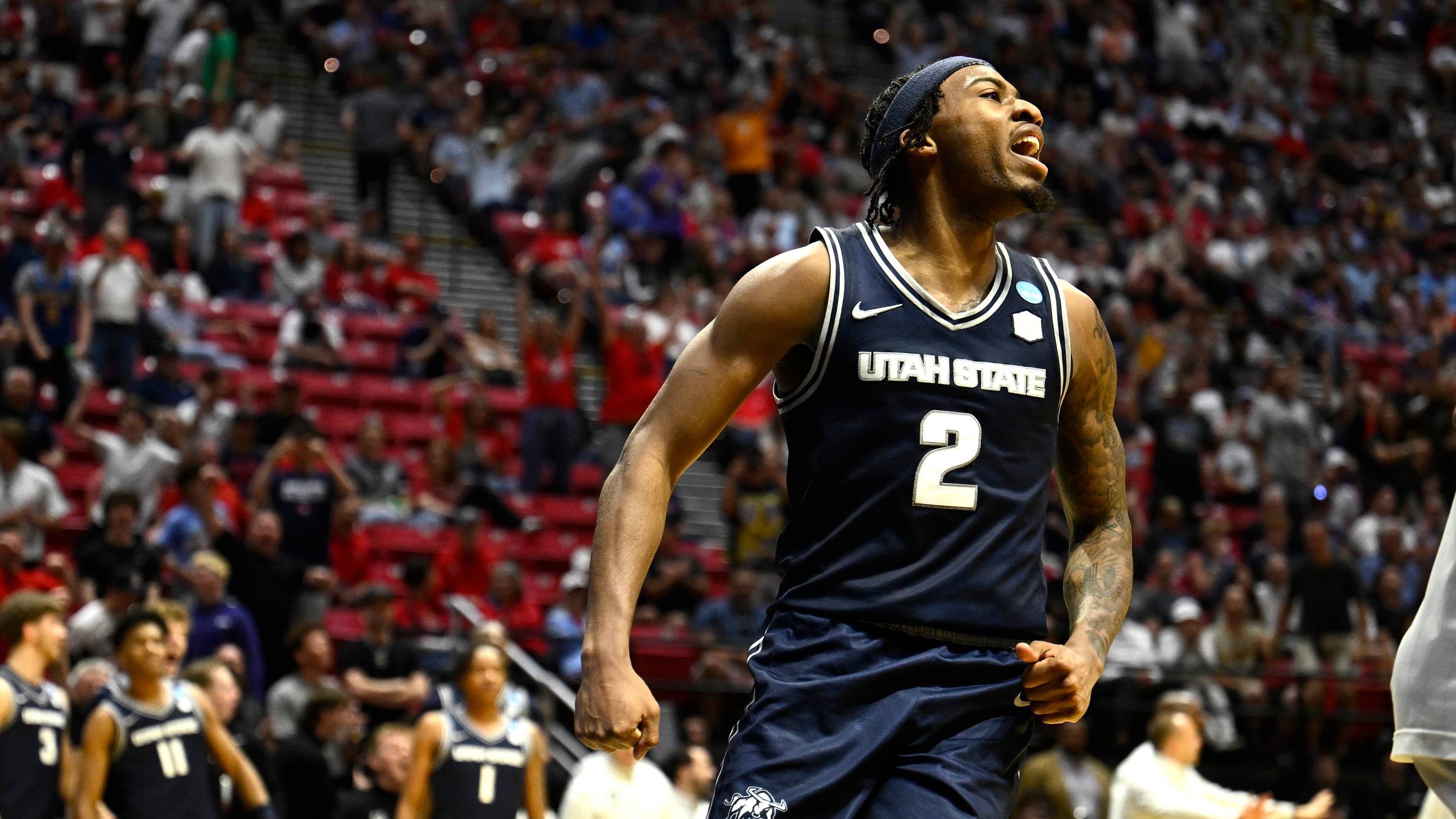
Cincinnati’s 2026-27 offseason is being described as more than a routine reshaping of the roster, with the program indicating a reset under new leadership. In that context, MJ Collins Jr. has quickly emerged as the centerpiece transfer because of what he could represent on the court: a ready-made foundation piece around which a new system can take hold early in the season.
Busting Brackets’ preview positions Collins as Cincinnati’s most important team-transfer addition for 2026-27, with the emphasis less on pure talent upside and more on timing and roster practicality. The article’s key theme is that Collins’ potential impact could be magnified or diminished depending on an eligibility timeline that remains uncertain, at least in the way the situation is being evaluated heading into the fall.
What makes the discussion notably consequential for the Bearcats is that college basketball seasons often reward teams that can establish continuity quickly, especially in the first third of the schedule. Cincinnati’s staff, new or newly energized, would ideally want to integrate a primary ball-handler or high-leverage contributor early, not spend months rebuilding cohesion around rotating roles. If Collins Jr. is available, he could help shorten that learning curve; if he is not, Cincinnati may have to lean harder on returning players or late-arriving pieces.
The uncertainty around eligibility is not a minor sidebar. In-season clearance issues can force coaches to alter development plans, reshuffle playing time, and adjust how aggressively they rely on specific offensive possessions or matchups. Even when a player is expected to be able to contribute eventually, coaches still have to plan for the games that arrive before the clearance becomes official. That is why the “most important transfer” label often lands on the player whose availability is most decisive for both the immediate rotation and the broader team identity.
Cincinnati’s roster-building logic, as implied by the framing in the Busting Brackets piece, points toward a team trying to establish a clear offensive and defensive backbone. Collins Jr. is presented as the sort of addition that can anchor that backbone, because the Bearcats would otherwise risk spending the early season in a more experimental mode. The article also underscores that the coaching-change era is part of the broader story, meaning the transfer is not just a standalone acquisition, but a test of whether the new direction can produce a functional team quickly.
For fans and observers, the next watch item is straightforward: whether Cincinnati’s communications and the governing timelines ultimately align with Collins Jr. being eligible to play as early as needed. If he is cleared, the Bearcats could treat him as a stabilizing force and plan around his usage, decision-making, and on-court presence. If clearance lags, the Bearcats’ fall-to-winter evaluation period becomes even more important, because it will reveal who can step into the leadership and production gap immediately.
At the same time, it is important not to overstate a single-transfer impact until official eligibility details are confirmed. College basketball roster context can change quickly, and preseason projections should be treated as conditional until the eligibility question is resolved. The storyline will remain compelling because Cincinnati’s season likely depends on how quickly it can convert potential into a reliable rotation, and Collins Jr. is at the center of that conversion narrative.
Why It Matters
- Eligibility timing can determine whether Cincinnati’s new-era lineup is set early or forced into a prolonged adjustment period.
- A single high-leverage transfer can affect how a staff structures offensive possession planning and defensive matchups.
- If Collins Jr. is available, Cincinnati may be able to compress its chemistry timeline, which often matters in the early conference slate.
- If he is not available immediately, the Bearcats’ next-most-important player development and rotation decisions become more consequential.
Key Facts
- Busting Brackets frames MJ Collins Jr. as Cincinnati’s most important team transfer for the 2026-27 season.
- The article’s emphasis is on how eligibility timing could affect whether Collins Jr. is able to contribute early.
- The transfer narrative is tied to a broader coaching-change era at Cincinnati and a roster reset for 2026-27.
- The central practical question described is whether Cincinnati can incorporate Collins Jr. quickly enough to shape its early-season identity.