
THE APEX TIMES
CJ Abrams makes a quick defensive statement at second base in Nationals debut push
In Washington, a start at a new infield spot turned into an early highlight when Abrams converted a sharp ground-ball situation into a double play.
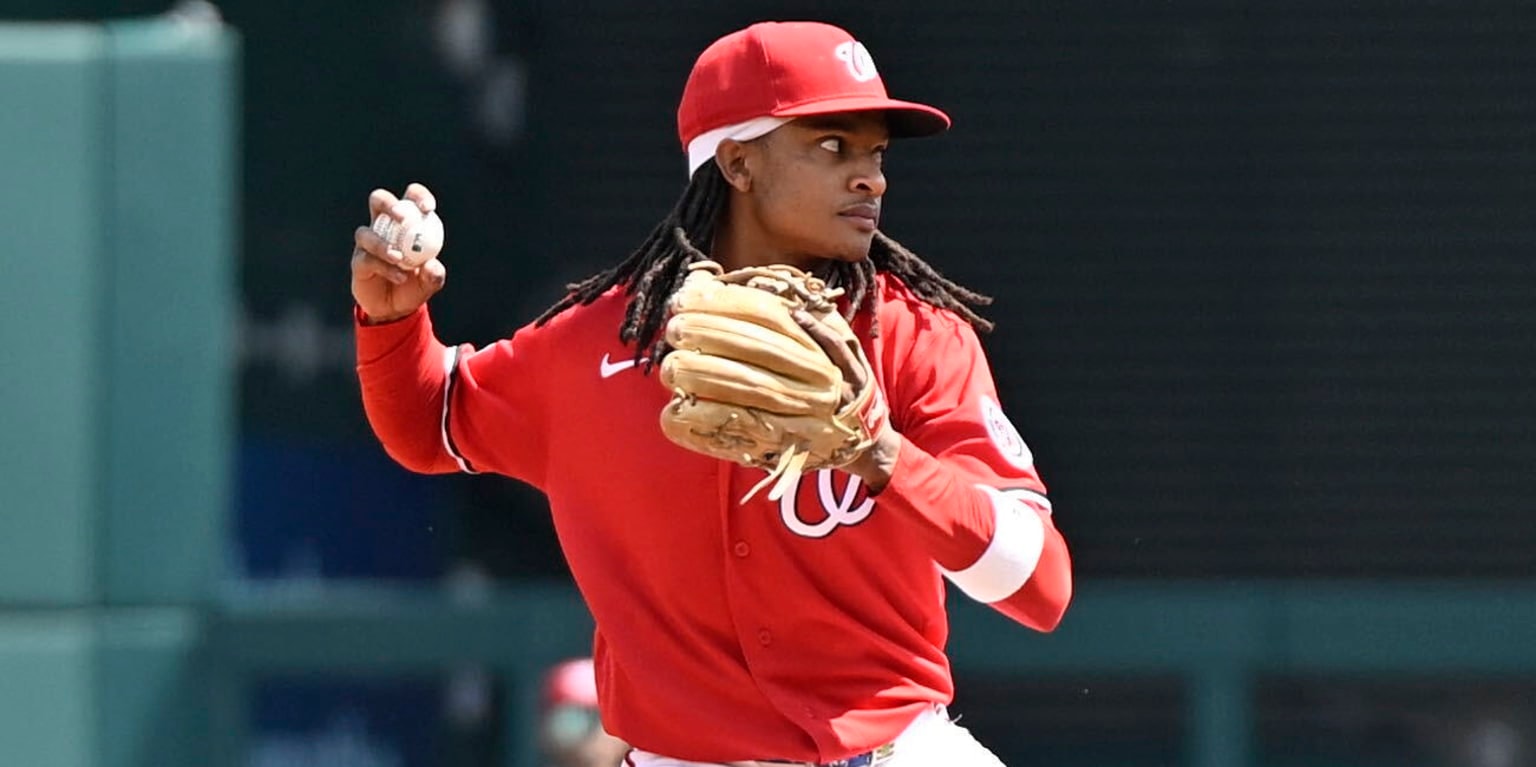
C.J. Abrams’ debut at second base for the Washington Nationals carried the kind of defensive clarity that can change how an infield plays, even in a single inning. Facing the Miami Marlins, Abrams fielded a ground ball cleanly with his left foot planted on the bag, then fired across the diamond to convert a fast, low-stress routine into a turning-point out.
The sequence began with a Javier Sanoja ground ball that caromed toward shortstop, where Nasim Nuñez was positioned to get the ball moving quickly. The quick hands at short set up the next decision, and Abrams’s footwork at second made the transfer simple and accurate as the play advanced toward first.
Instead of lingering on the catch, Abrams treated second base as a relay point. From the bag, he delivered the throw to Andrés Chaparro at first base, completing the double-play look in a 6-4-3 turn. The value of that kind of play is as much about tempo as it is about the out, because it limits extended baserunning and forces the next hitter to reset under pressure.
Beyond the single highlight, Abrams’s appearance at second base fit into a broader infield-versatility argument. Middle-infield roles demand more than glove work. They require anticipating angles, starting double-play turns early, and coordinating throws with the shortstop and first-base receiver so the infield can operate like one unit.
Abrams’s involvement mattered because the Nationals were already building a defensive identity that day around crisp exchanges. The reported mechanics of the play underscored what teams look for when they move a player around the diamond: reliable foot placement, quick release, and the ability to handle a ball hit on a hard-to-hit line of traffic.
The Nationals did not take the lead in the game’s outcome, as the debut came in a loss to the Marlins. Still, plays like the one Abrams turned at second can become a reference point for managers and scouts, especially when deciding how to maximize infield depth in the stretch of a long season.
Looking ahead, the most important question for Washington is whether the defensive timing Abrams showed translates into sustained comfort over multiple innings and more varied batted-ball shapes. If he keeps delivering quick, accurate throws from the bag and maintains clean reads with the double-play partners, it gives the Nationals a more flexible way to organize their infield going forward.
Why It Matters
- A successful double-play at second base early in a debut can accelerate a team’s trust in a new defensive alignment.
- Middle-infield communication affects run prevention most in tight innings, and quick turns limit baserunner damage.
- Defensive versatility helps a club respond to late-season lineup changes without sacrificing infield efficiency.
- For players, translating highlight mechanics into repeatable at-bats and innings often shapes how long a role change lasts.
Key Facts
- C.J. Abrams made his debut at second base for the Washington Nationals against the Miami Marlins.
- Javier Sanoja hit a ground ball that resulted in a play sequence involving Nasim Nuñez and Abrams.
- Abrams fielded with his left foot on the bag and threw to first baseman Andrés Chaparro.
- The play was recorded as a 6-4-3 double play.
- The Nationals’ appearance of the new second-base role came in a loss to Miami.