
THE APEX TIMES
Clay Holmes returns to the mound for the Cubs, settling in after a comebacker in his debut
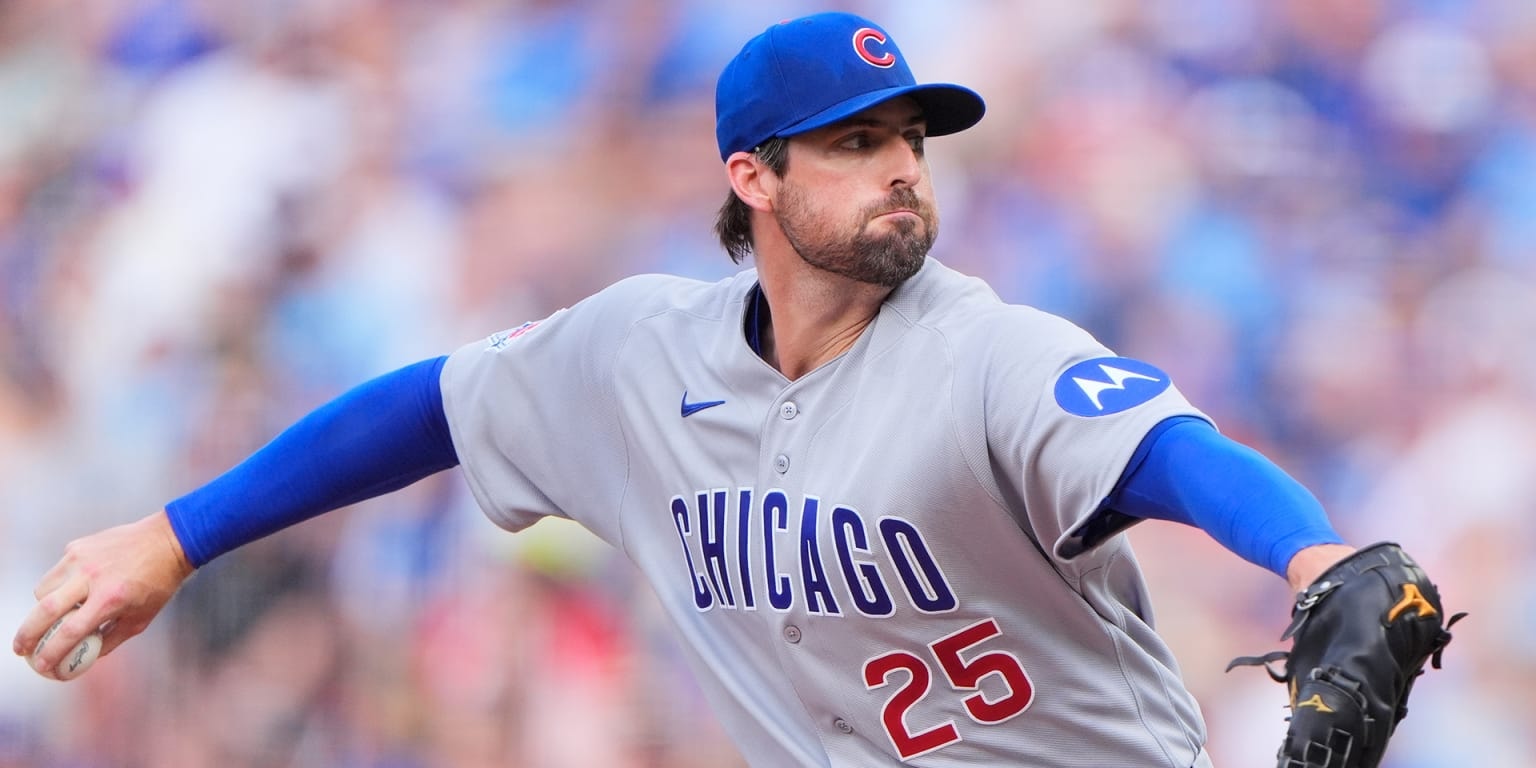
Making his first major-league start since May, Chicago closer Clay Holmes worked through the early adjustment against the Royals, a restart that began with a familiar kind of stress: contact. MLB reported Holmes went four innings in his Cubs debut.
Clay Holmes’ return to the Major Leagues carried the kind of coincidence baseball is known for. On Saturday evening in Kansas City, the Cubs’ new-look leverage arm watched his first pitch result in a comebacker, a reminder that even the cleanest reintegration is never perfectly staged.
MLB’s game report described the comebacker as more awkward than alarming. Holmes, making his first start since May, ultimately “settled in” through the work that followed, with the Cubs treating the outing as a step in rebuilding his rhythm rather than an audition for instant perfection.
According to the report, Holmes did not treat his Cubs debut like a single batter confrontation. He stayed in the game long enough to total four innings, a stretch that mattered because it asked him to manage timing, repeat delivery, and pace himself across multiple plate appearances rather than simply getting through a brief bullpen-style run.
The setting also framed what “settling in” meant. Against the Royals, Holmes faced an American League lineup with plenty of recent at-bats and scouts trained on how a pitcher looks after a long gap. Even when the results are controlled, the first real run of innings after time away tends to reveal how cleanly a pitcher repeats mechanics.
While a comebacker can rattle a pitcher’s confidence, Holmes’ ability to continue building his outing suggested the early contact did not derail his process. The Cubs could draw comfort from the fact that his return included both the unavoidable contact and the ability to work through it, which is often what separates a promising start from a short one.
For Chicago, the practical value of the outing is clear. Starting a player with closer experience changes the way the bullpen can be used, but it also forces the organization to consider how that pitcher handles longer stretches and different hitter matchups. Holmes’ four-inning debut provided the Cubs with concrete information about how he can fit into that broader plan.
The next test for Holmes will be consistency across subsequent assignments, including whether his command and sequencing hold steady once the early return-week adjustments are behind him. If the Cubs can keep his workload building in a measured way, his experience in late innings could translate into more flexible pitching options as the season moves into its closing stretch.
Why It Matters
- Holmes’ return to starting work gives the Cubs additional bullpen and game-management options.
- A first outing after nearly three months is a meaningful indicator of command and repeatability under lineup pressure.
- The way Holmes handles longer sequences can affect Chicago’s late-inning roles and matchup strategy.
- Early-contact moments, even when not harmful, help show how a pitcher protects focus and mechanics after unexpected contact.
Sources
Key Facts
- Clay Holmes made his Cubs debut in Kansas City against the Royals.
- MLB reported Holmes’ first pitch of the outing resulted in a comebacker.
- Holmes was making his first start since May.
- MLB reported Holmes worked four innings in the Cubs debut.
- The outing was framed as a return in which Holmes settled in after the early contact.