
THE APEX TIMES
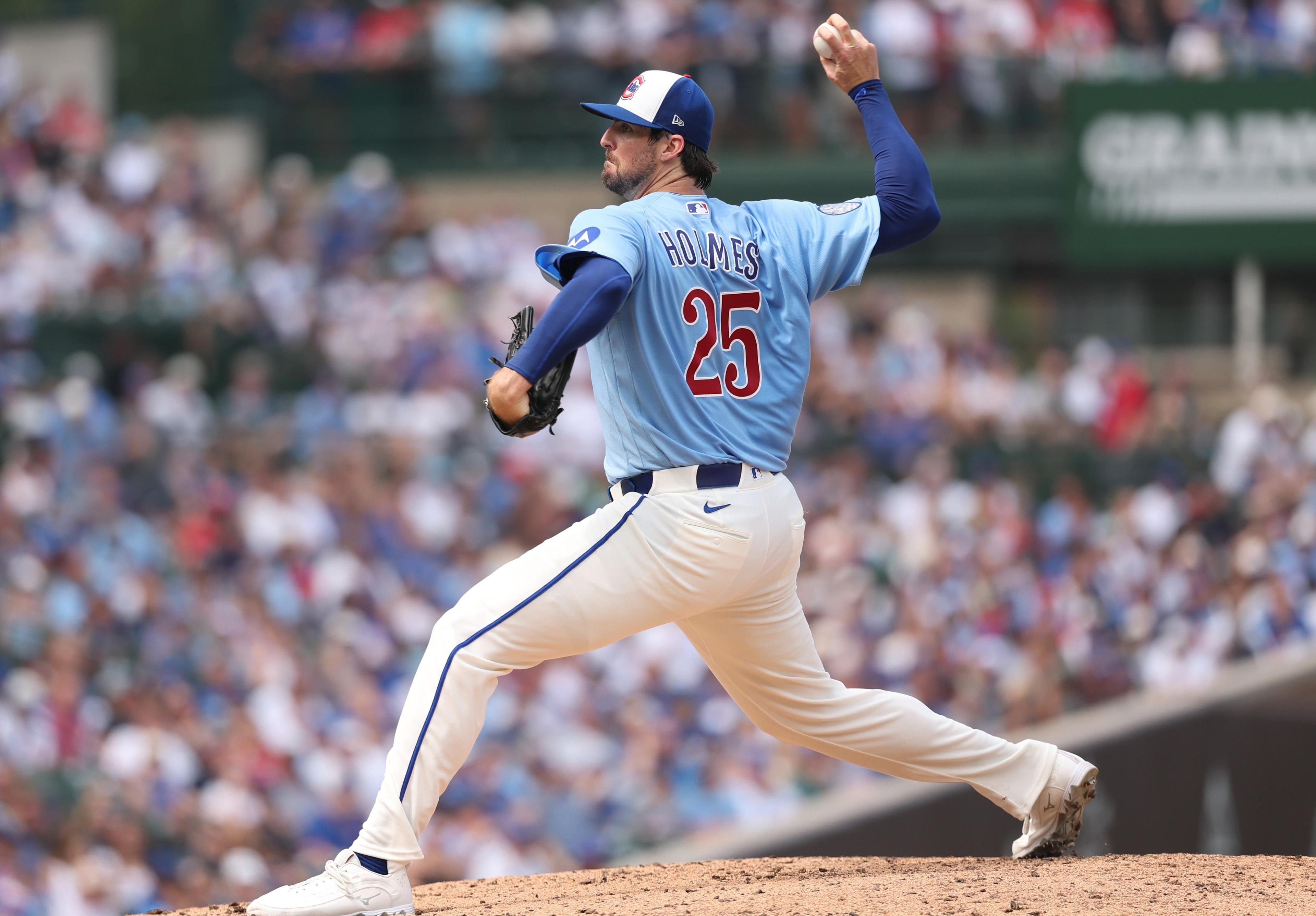
Clay Holmes turns in a dominant outing as the Cubs bounce back against the Cardinals
A sharp performance from Cubs closer Clay Holmes helped swing momentum back toward Chicago, briefly changing the temperature of a matchup that had felt touch-and-go for the offense.
The Cubs needed a reset, and their bullpen delivered it behind closer Clay Holmes. In the team’s latest game versus the St. Louis Cardinals, Holmes was the difference in the way late innings usually become decisive: he kept the Cardinals quiet, limited their ability to string together meaningful damage, and preserved the advantage long enough for Chicago to take control of the outcome.
Holmes’s effectiveness was described as handcuffing the Cardinals throughout the contest, a day where the offense could not get traction. That kind of performance matters because it does more than secure a save or hold a lead. It also forces the opposing lineup to operate without the usual comfort of pressuring late relievers, turning baserunners into outs rather than opportunities.
The broader storyline around Holmes in this game is the question of readiness and form. The writeup around the matchup frames the outing as evidence that Holmes might be healthy, while still acknowledging the uncertainty that comes with any single performance. That distinction matters for how fans interpret bullpen improvements in real time, especially when a closer’s command has been inconsistent at other points.
For the Cubs, the timing is also important. The same account points to a potential offensive funk, suggesting Chicago’s scoring has had stretches where it struggles to sustain rallies. When that happens, baseball often becomes a contest of who can prevent the other side from building separation. Holmes’s ability to limit the Cardinals’ chances gives the Cubs’ lineup a cleaner lane, because even a modest lead becomes a more workable situation.
There is also a tactical implication to how the game played, at least at a high level. A reliever who suppresses damage reduces the number of at-bats that force difficult late-inning choices, such as pitching changes, matchup-based leverage, and pinning the opposing team into two-strike or jam situations. In that sense, Holmes’s outing functions as a pressure release valve for the rest of the pitching staff.
What to watch next is whether Holmes can carry the performance forward. Closers are judged by repeatability, not just flashes, and the Cubs will need this level of execution if they are to remain competitive in the season’s stretch run. Equally important is how the Cubs respond at the plate after this bounce-back, because a strong bullpen showing is most valuable when it pairs with an offense that can capitalize before games tighten again.
The Cardinals, for their part, will look at the game as a blueprint for what went wrong rather than a reason to abandon their approach. When a team is “handcuffed,” it usually means the margin for error shrinks. The next meeting will likely test whether St. Louis can adjust quickly enough to avoid another bullpen-driven loss. If Holmes is indeed moving closer to peak form, the Cubs may have found a late-game advantage that can make the difference in close contests.
Clay Holmes is the named player tied to this story’s central theme: a dominant bullpen showing against the Cardinals. Beyond that, the article’s framing suggests the matchup also served as a psychological lift for the Cubs, a reminder that when their bullpen works as intended, they can survive offensive dips and still emerge on the right side of late innings.
Why It Matters
- A strong closer outing can stabilize a team’s late-inning strategy, even when the offense is struggling.
- If Holmes is regaining form, it gives Chicago a higher-leverage option in tight games against quality opponents.
- Limiting a strong lineup late changes how the opposing team approaches the final innings.
- The Cubs’ ability to turn bullpen stability into offensive production will be a key storyline moving forward.
Sources
Key Facts
- The Cubs’ game against the Cardinals featured a late swing driven by closer Clay Holmes.
- Holmes’s performance was characterized as dominant and as limiting the Cardinals’ offense.
- The description frames Holmes as potentially healthy, while noting the need not to jump to conclusions based on one outing.
- The Cubs were described as bouncing back, with an offensive stretch referenced as potentially in a funk.
- The writeup suggests the Cardinals were unable to generate consistent damage throughout the contest.