
THE APEX TIMES
Cleveland Browns open preseason with quarterback struggles and early injury concerns
Todd Monken’s offense had difficulty finding rhythm in the first game of the exhibition slate, while the Browns also absorbed injury worries as they begin turning roster depth into Week 1 readiness.
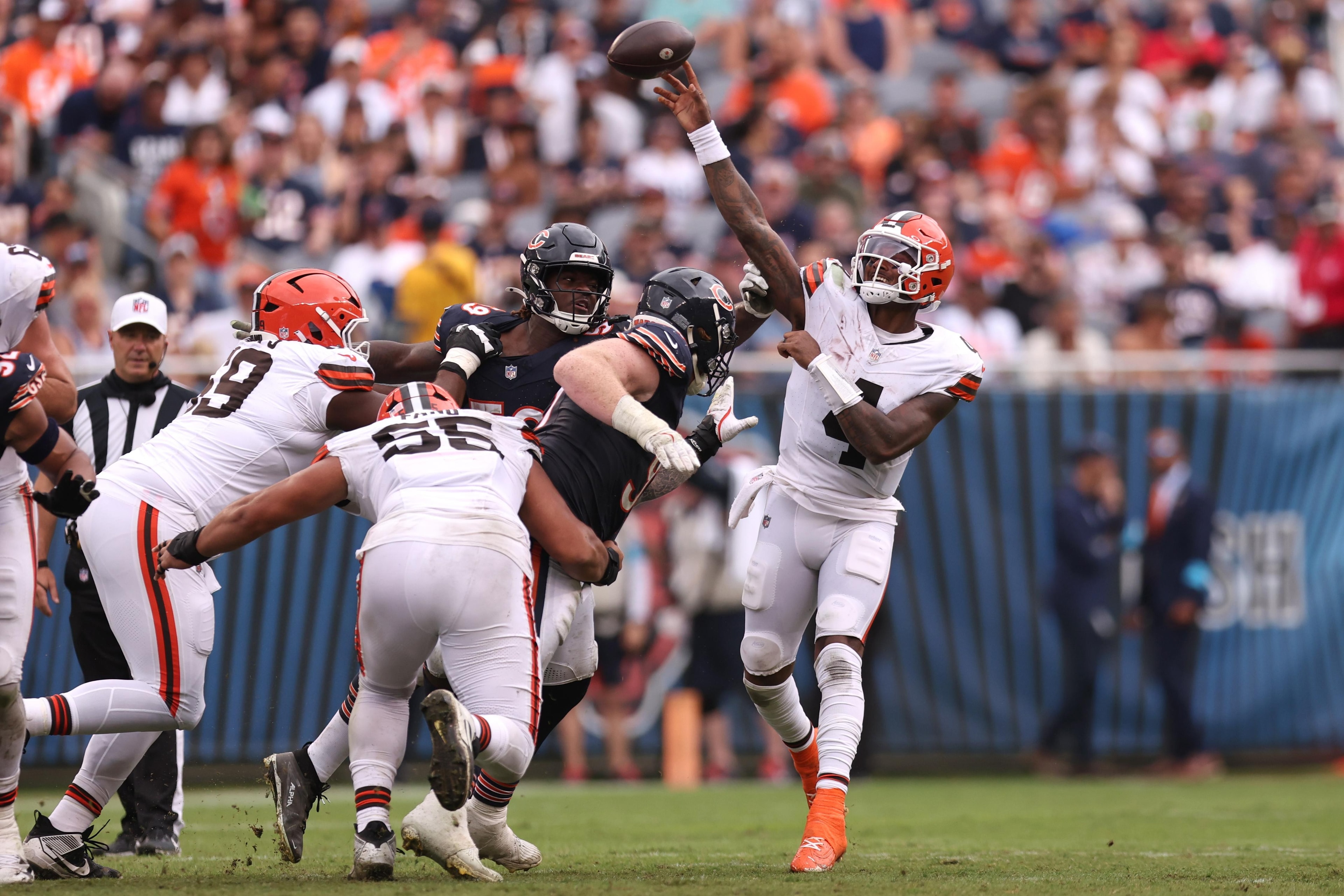
Cleveland kicked off the preseason with a night-and-day kind of “evaluation” feel, the kind that tells you as much about execution under pressure as it does about who can handle the fast tempo of live NFL action. In the first preseason game, the quarterback group struggled to consistently move the ball, and the Browns also dealt with injury concerns that could complicate how they build continuity during the next stretch of exhibitions. Todd Monken’s offense, installed for an entire training camp, did not show crisp form early, and the immediate takeaway was less about highlight plays than about missed opportunities, timing issues, and turnovers or stalled drives.
The Browns are entering the preseason phase with a central practical question, who looks most comfortable running the offense with fewer restrictions and more speed. Preseason Game 1 typically features a rotating mix of starters and backups, and that mix can magnify the growing pains that come with timing routes, protection calls, and reading coverages. In that context, the reported quarterback struggles matter because they can reveal whether the team’s passing game is simply rusty or whether deeper issues are showing up when defenses get closer to full disguise and pressure packages.
The same report that tracked the quarterback difficulties also flagged injuries as part of the storyline. The nature of those injury concerns is important mostly because it will shape who gets the most meaningful reps. When an injury hits early in the preseason schedule, it forces coaching staffs to compress evaluation windows, lean harder on less familiar personnel, and sometimes reduce the number of live-drive opportunities for specific units. Browns fans, at this point in the summer, generally expect some bumps, but any early disruption can still alter the order of operations for sorting depth.
For Monken’s staff, preseason efficiency is not judged the way it is in the regular season standings, but it is still judged. Timing on mid-range throws, ball security in transition drives, and the ability to sustain drives with third-down conversions often become visible in these early games. If the quarterback group is having trouble connecting on schedule, the concern is not only the immediate output, but whether the offensive line, the route concepts, and the protection scheme are providing the quarterback the clean picture he needs.
The larger preseason reality is that Game 1 often sets the tone for the battle for roles, even if the final depth chart is not settled. Quarterback play tends to ripple across everything else. When throws are late or inaccurate, receivers adjust, the running game loses some leverage, and the team becomes more conservative in play-calling. The early struggles reported for Cleveland therefore matter beyond the stat line because they can impact how both the run and pass games are evaluated in subsequent weeks of exhibition football.
Cleveland’s next step will be to see whether the issues are correctable quickly, especially under game-like conditions. If the quarterback problems are driven by inexperience with specific personnel groupings or by the volatility that comes from rotating players, then the Browns can address them through reps and simplified progression structures. If the struggles persist, it points to deeper continuity concerns that would carry into roster decisions. Either way, the Browns will likely use upcoming games to test different combinations and see whether any quarterback can consistently run the offense with fewer stalls.
For followers of the team, the watch list is straightforward. Pay attention to how quickly the passing game finds rhythm after halftime, which quarterback earns the most sustained drive opportunities, whether the offensive line gives adequate protection, and whether the injury concerns resolve without further disruption. Preseason does not decide championships, but it does decide who gets trusted with meaningful work as Week 1 approaches, and the first exhibition outing has already put quarterback execution and health management at the top of the Browns’ agenda.
Why It Matters
- Early quarterback performance in the preseason can influence roster and playing-time decisions, even before the regular-season depth chart is finalized.
- Injury concerns can shorten evaluation windows, forcing the staff to rely on different personnel groupings sooner than planned.
- Pass-game timing affects the entire offense, including the run game and third-down efficiency, which are key predictors of regular-season consistency.
- The next preseason games will be the real test of whether the issues from Game 1 were situational or structural.
Sources
Key Facts
- The Cleveland Browns played their first preseason game under head coach Todd Monken’s offensive system.
- The reported storyline from Game 1 was quarterback struggles during the early exhibition evaluation period.
- The Browns also faced injury concerns during the game, adding uncertainty to how they will distribute reps afterward.
- The concerns highlighted in the report relate to how Cleveland will handle execution and continuity as the preseason progresses.