
THE APEX TIMES
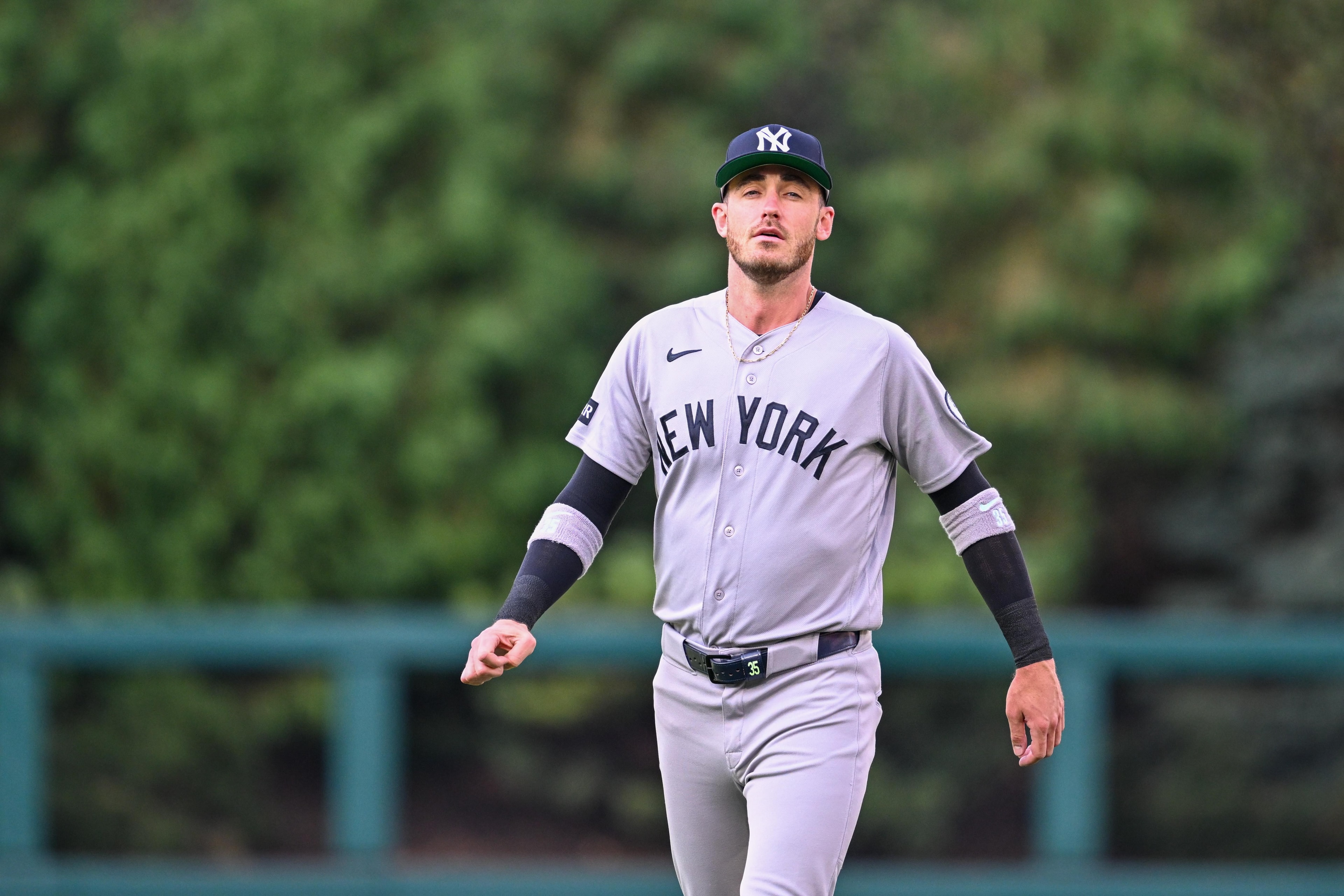
Cody Bellinger returns from the injured list as Yankees monitor other injury concerns
The center- and corner-outfield mix gets a boost for New York as Cody Bellinger works his way back from a left hamstring strain. Additional health updates around other roster spots remain more uncertain.
Cody Bellinger is set to return to the New York Yankees lineup after a stint on the injured list, a move that should stabilize a key part of their outfield depth during a critical stretch. Bellinger’s return is tied to his recovery from a Grade 2 left hamstring strain that kept him out since late July, with his rehab including a short assignment at Scranton/Wilkes-Barre.
According to a report from, Bellinger’s plan is to return with the intent to stay healthy and avoid re-injury. In an interview shared by, Bellinger said he has been “wanting to get back for a while,” while also emphasizing a realistic approach and the need to be “100 percent ready” before pushing his hamstring through full game-speed demands.
Bellinger’s timeline is notable not only because of the specific hamstring grade, but because of what it means for New York’s outfield configuration. The report frames Bellinger’s activation as an added layer of security in a group that has also been without Aaron Judge in right, increasing the importance of reliable production across the outfield spots.
While the focus is on Bellinger, the same Yankees update pointed to other injury and availability developments that are less encouraging. The Yankees also have had news circulating around other players, including a more minor league assignment status change for Schuemann, a setback for what the report describes as “Big G,” and an exit by Weathers tied to forearm discomfort.
The Yankees’ decision-making in the coming days likely hinges on how those non-Bellinger items progress. If forearm discomfort or other setbacks linger, New York may need to lean more heavily on its rotation of infielders and bench bats to cover days off, late scratches, and spot starts across the position map.
The report also notes that the situation involving Jones is expected to remain at the level, suggesting New York is still awaiting a final determination rather than making a straightforward immediate change. Taken together, the updates imply the Yankees are handling multiple roster health questions at once, with Bellinger representing the clearest near-term positive development.
For Yankees fans, Bellinger’s first few days back will be the most tangible barometer of how smoothly the recovery is translating into performance. The Yankees will likely monitor not just his presence, but also his range and usage patterns early on, especially given the hamstring strain that forced a late-July absence.
Why It Matters
- Bellinger’s return adds roster stability for the Yankees at a time when outfield coverage already has been impacted by Judge’s absence.
- A Grade 2 hamstring recovery increases the importance of careful early usage, and how Bellinger looks will shape day-to-day lineup flexibility.
- If forearm discomfort and other uncertainties persist, New York may need to adjust defensive assignments and bench usage more frequently.
- Multiple overlapping availability questions raise the stakes for depth planning as the team works toward its postseason picture.
Sources
Key Facts
- Cody Bellinger is expected to return from the injured list on Aug. 23, according to via Yahoo Sports.
- Bellinger’s IL stay followed a Grade 2 left hamstring strain that sidelined him since late July.
- His rehab included time with the Scranton/Wilkes-Barre team before the expected activation.
- Bellinger described a desire to return and stay, while saying he wants to be 100 percent ready and avoid making anything worse.
- The Yankees’ outfield context includes Aaron Judge being unavailable in right as of the report.
- Other Yankees health or availability updates mentioned include Schuemann being down, an injury setback described as involving “Big G,” and Weathers exiting with forearm discomfort.
- The report indicates Jones’ case is expected to remain at the stage rather than being resolved immediately.