
THE APEX TIMES
College football fans react sharply after AP unveils its preseason Top 25, calling it the “worst opening” poll
The Associated Press preseason rankings are out, and the reception has been unusually negative, with critics arguing the list is failing to reflect recent form and providing extra motivation for one prominent coach referenced in the debate.
The Associated Press preseason Top 25 has been released for the 2026 college football season, and a sizable portion of the college football world is already pushing back. In reaction to the opening poll, commentators and fans cited frustration with how the rankings were assembled and characterized the preseason list as the “worst opening AP poll of all-time,” setting an unusually contentious tone for a season that typically uses the preseason forecast mainly as a starting point.
Preseason polls matter most because they shape expectations early. They influence national conversation about who is positioned to win early conference matchups, which programs are treated as legitimate title contenders, and which teams face added scrutiny from fans and media when the first weeks of games arrive. Even though AP rankings change throughout the year, the opening set often becomes a reference point for later debates.
According to the report, at least part of the anger is tied to the specific way the preseason ordering has been interpreted by observers. The criticism is not framed as a single, isolated disagreement. Instead, it is presented as a broader reaction to the overall structure of the list and the perceived logic behind it, with readers pointing to a mismatch between reputation and what they believe should be supported by on-field evidence.
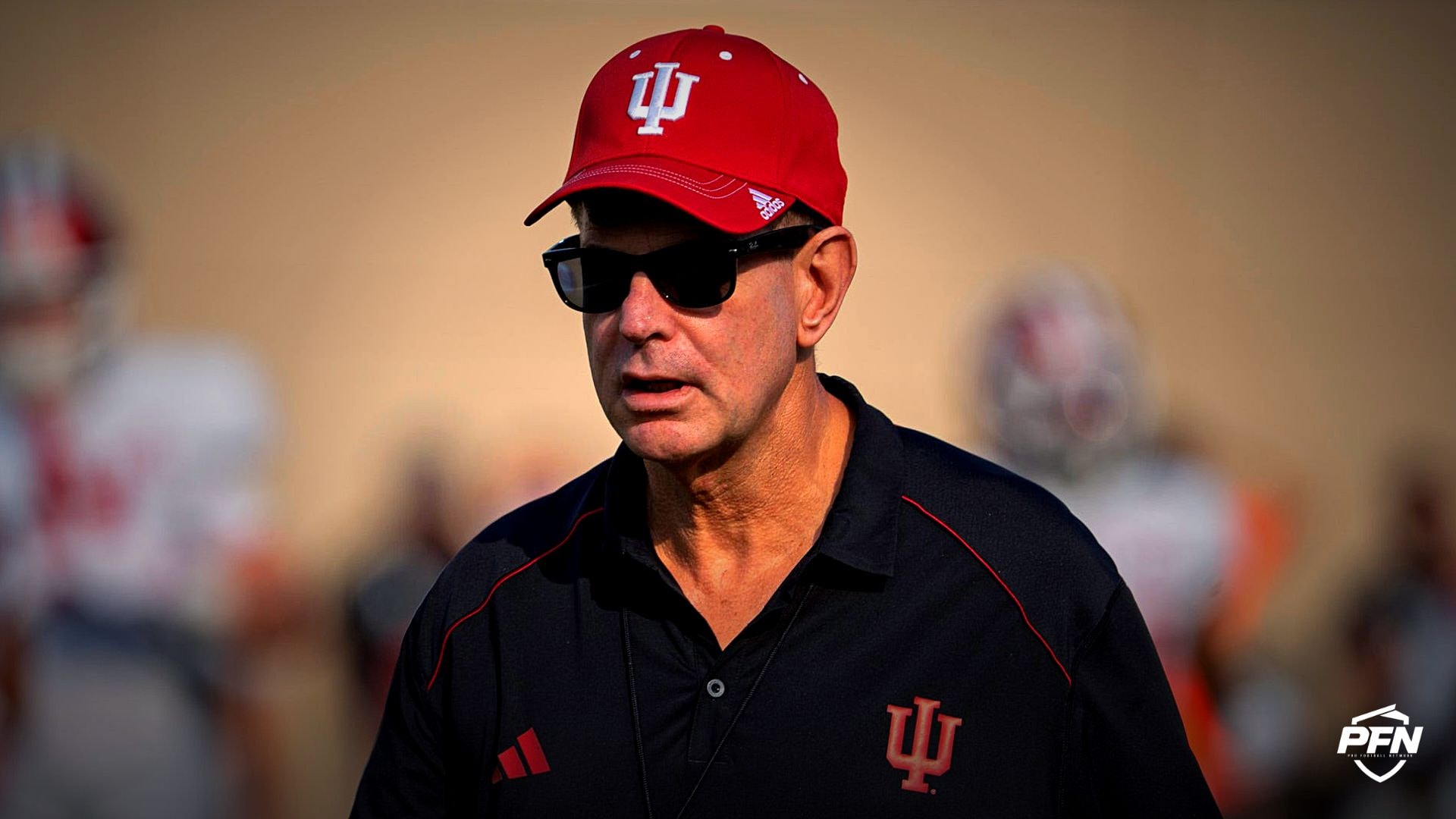
The preseason release also drew attention to a storyline involving coach Curt Cignetti. The report describes the latest rankings as “giving Cignetti more fuel,” implying that the preseason placement of teams connected to his program or coaching circle will be used as motivation and as ammunition in arguments about whether they should be treated more favorably.
Even for schools and fan bases that disagree with their preseason position, the AP poll’s immediate utility remains the same: it tees up the yearlong test of credibility. If a team is ranked too low, critics tend to interpret early wins as validation. If a team is ranked too high, early losses tend to be treated as a referendum on the poll itself, and the debate tends to intensify rather than disappear.
What to watch next is how the AP voters respond to early season results. The preseason Top 25 is rarely the final story, but it can influence how quickly momentum is granted. After Week 1 and the early conference slate, the rankings will offer the first real answer to whether critics are right about the preseason’s foundation or whether the poll’s placement stabilizes as the season unfolds.
Because the reporting focuses on reactions to the opening rankings, specific details about which teams were placed where and how those placements were justified are not included in the accessible description. That means the most defensible takeaway right now is not a claim about accuracy or rankings methodology, but the clear fact that the preseason list has already become a live national argument entering training-camp and Week 0 expectations.
Why It Matters
- Preseason AP positioning shapes early-season expectations and how quickly teams are treated as title-level contenders.
- A widely shared backlash can sharpen the pressure on programs to prove or disprove the poll in the opening games.
- The “fuel” framing around coach Curt Cignetti highlights how preseason rankings can become part of team-building and media strategy.
- Because the AP voters will revise the poll after early results, the next published rankings will be the first practical test of whether the preseason controversy resolves or spreads.
- The debate may also affect fan sentiment and national narratives, which often carry into conference races and late-season playoff discussions.
Sources
Key Facts
- The Associated Press released its preseason Top 25 for the 2026 college football season on Monday.
- Many in the college football community expressed strong negative reaction to the preseason rankings.
- The report describes the response using phrases such as “Worst Opening AP Poll of All-Time.”
- The preseason rankings are also tied to an ongoing conversation involving coach Curt Cignetti, described as receiving “more fuel” from the latest list.
- The rankings will continue to shift during the season based on team performance.