
THE APEX TIMES
College football returns Aug. 29 with eight televised games, and USC is the lone ranked team on the docket
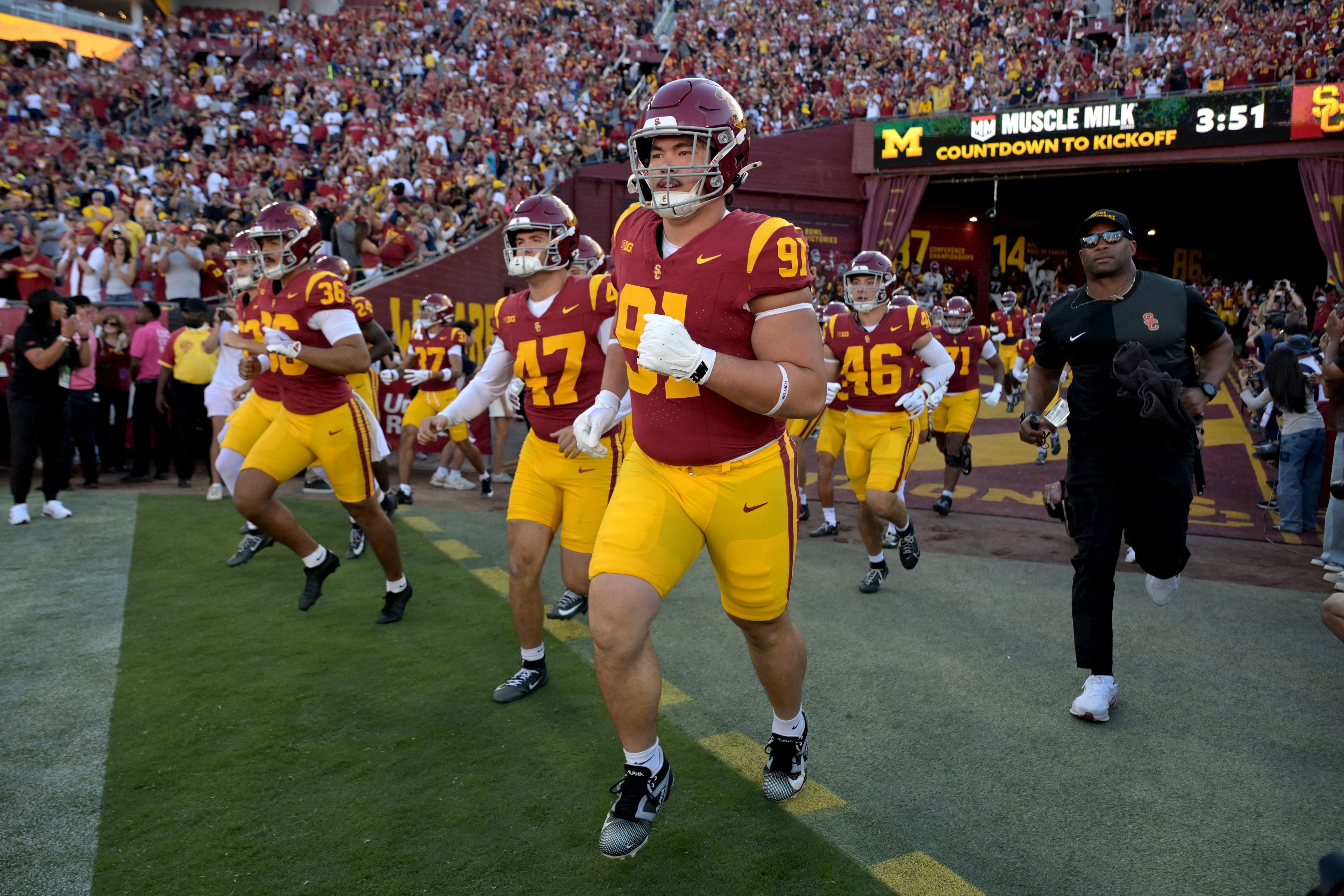
After a long offseason lull, the 2026 season starts coming into focus with a slate set for Aug. 29. USC, the only ranked program in action, carries the spotlight early as kickoff week begins to reshape preseason narratives.
College football is back on television on Aug. 29, with eight games scheduled to be broadcast as the sport’s newest calendar page turns. The day’s slate also sets up a quick early test of preseason positioning, because USC is the lone ranked team scheduled to play among the featured matchups.
The timing matters for teams and fans alike. Late August is where coaching staffs and programs look most like their regular-season identities. Game plans are no longer theoretical, and the first live reps begin to reveal whether offseason priorities, from offensive tempo to defensive communication, translate under pressure. Television also amplifies the stakes, since early-week national exposure tends to magnify storylines that will otherwise build more quietly over September.
For USC, being the only ranked team in action adds extra weight to the opening chapter. A ranked opponent typically means there is at least some expectation of immediate impact, either because the program is aiming to meet a higher external bar or because it is trying to avoid slipping deeper into the “wait and see” category. Even without a fully formed resume, a season-opening performance can quickly shape how the broader college football landscape interprets the Trojans’ ceiling and floor.
The Aug. 29 schedule serves as the sport’s first major reminder that the season’s rhythm is built on a chain of weekends. Early games function as both evaluation tools and momentum builders, and the televised nature of the slate increases how quickly those evaluations spread. In practice, this means that once results are in, subsequent games often become more than just next opponents. They start to be read as indicators of conference balance, possible postseason trajectories, and whether teams are trending upward or downward before the middle of the year arrives.
Still, there are limits to what any single August weekend can prove. College football is a sport of development, and teams can change significantly between the opening weeks and later in the season as injuries, rotations, and game-to-game adjustments take hold. Even when a ranked team appears in the spotlight, it is usually too early to treat early outcomes as definitive answers to long-term questions.
What to watch next is how quickly the rest of the league fills in behind the first televised window. Once those eight games conclude, the national conversation will move to the next round of matchups, where more ranked teams are expected to join the action. For USC and the wider field, the focus will shift from “who is ready?” to “who is confirming?” as the calendar turns from late-August return to full-spectrum season momentum.
Why It Matters
- A televised season-opening slate accelerates how quickly early storylines spread nationally.
- USC’s status as the only ranked team in action increases scrutiny on the Trojans early in the year.
- Early results can influence how fans and analysts interpret conference and postseason trajectories, even if conclusions remain tentative.
Key Facts
- College football returns on Aug. 29 with eight games scheduled for television.
- USC is the lone ranked team scheduled to play on that date.
- The item frames Aug. 29 as the first weekend that meaningfully advances the 2026 season narrative.