
THE APEX TIMES
College football’s version of a trade deadline: how conference championship outcomes can close the door on the CFP
As the College Football Playoff selection picture tightens, conference championship weekend acts like a practical deadline, compressing late-season leverage into a short window of controllable outcomes.
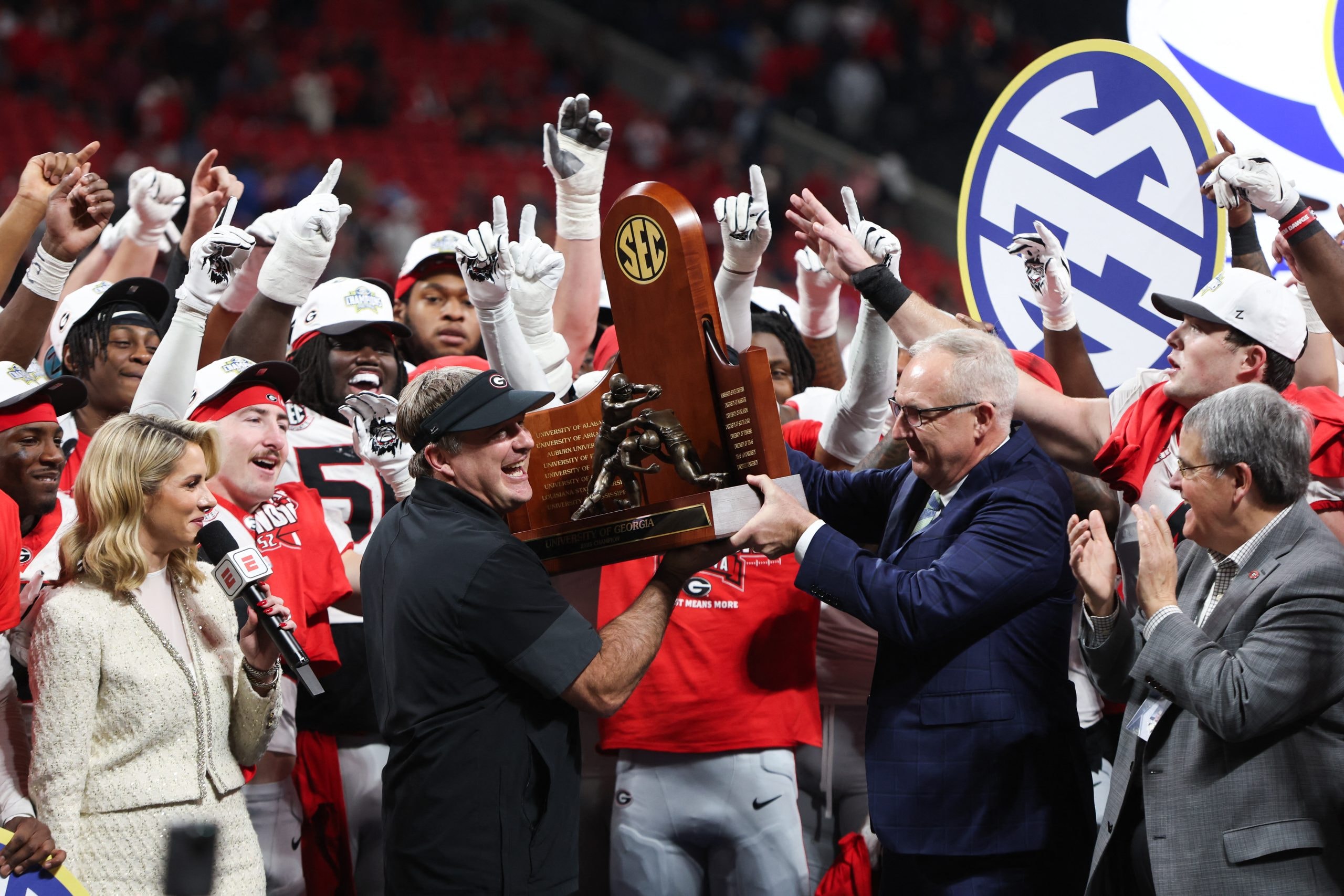
Trade deadline day in pro sports is defined by what can still be moved, what cannot, and who benefits from acting before the clock runs out. College football’s parallel is less about transactions and more about timing, because the path to the College Football Playoff becomes far narrower once conference championship games are played. In that sense, the “deadline” arrives on the calendar, not with a new deadline stamp, and it shapes how teams approach their most consequential regular-season final and their conference-deciding rematch.
The basic structure is that the College Football Playoff is built through a committee-selected bracket, and those selections are anchored to what teams have already accomplished by the end of the conference title window. Conference championships matter because they are the last widely shared data point before the sport moves into the selection phase. Even teams that have already made their case often treat championship week as a final opportunity to stabilize their resume, while teams on the margins treat it like a must-pass gate: win and hope the committee treats the result as decisive, lose and the argument has to change from control of destiny to damage control.
That is where the “trade deadline” analogy becomes more than a metaphor. In the committee era, late-season outcomes can sharply alter how the committee weighs the same body of work, particularly when multiple teams are attempting to occupy adjacent spots in the ranking tiers. When two teams from the same conference share a close season résumé, the championship result can become the tie-breaker, changing how the committee frames head-to-head familiarity, quality of opponent, and momentum as it relates to playoff readiness.
The tightening window also influences how teams interpret risk. A conference title game can function like a high-stakes audit of everything a team has been building toward, and it can limit how much a team can “re-explain” itself if it underperforms. For contenders, that means the ceiling of a championship win is obvious, but the floor of a disappointing loss can be steep, especially if that defeat comes with a clear, easy-to-interpret gap rather than a close finish. For teams chasing a breakthrough, the ceiling is the same win requirement, but the margin for error is thinner because other games around the country decide which résumés are already sealed.
There is also a structural reason this feels deadline-like: once conference champions are set, the field of new evidence narrows. The regular season offers many opportunities to create or remove doubt, but championship weekend reduces the number of remaining “fresh samples” the committee can examine. After those games, the conversation tends to shift from performance creation to performance interpretation, focusing on how to compare teams whose key moments have already happened.
From a fan perspective, this weekend-to-Playoff transition can feel abrupt, because it condenses the sport’s final debates into a short series of nights and ranking updates. From a team perspective, it is a reminder that the late season is not a blank slate. It is a compressed stage where you can either strengthen your claim for a top spot or force the committee to squint past the clearest piece of your story.
What to watch next is how teams and conferences calibrate their approach to the championship week itself, particularly how they manage situations that normally could be adjusted over time. When the selection “deadline” is effectively tied to conference title games, the sport’s final act becomes less about tinkering and more about executing under the tightest public spotlight before the committee’s final picture comes into focus.
Why It Matters
- Conference title weekend can function like a practical deadline because it can change how near-bubble teams separate from one another in committee comparisons.
- The tournament-like compression of evidence can make close losses and wins carry different weights than they would earlier in the season.
- Teams on the margin face less room to recover after championship week, because the selection picture shifts quickly into evaluation mode.
- The timing emphasizes execution over experimentation, since the clearest “last evidence” arrives in a single slate of games.
Key Facts
- The College Football Playoff is committee-selected rather than determined solely by automatic conference outcomes.
- Conference championship games arrive as the sport’s most influential late-season events for shaping résumés.
- Once championship weekend passes, the number of new on-field data points available to the committee narrows.
- The committee must compare teams with overlapping schedules and similar résumés during the selection window.
- Late-season performance interpretation becomes a central factor after conference title games.