
THE APEX TIMES
Colts left Pittsburgh with chances uncashed, and the difference could be costly
In a matchup defined by missed chances, Indianapolis came away with the kind of result that turns “what if” into a weekly problem: more drives that ended short of touchdowns.
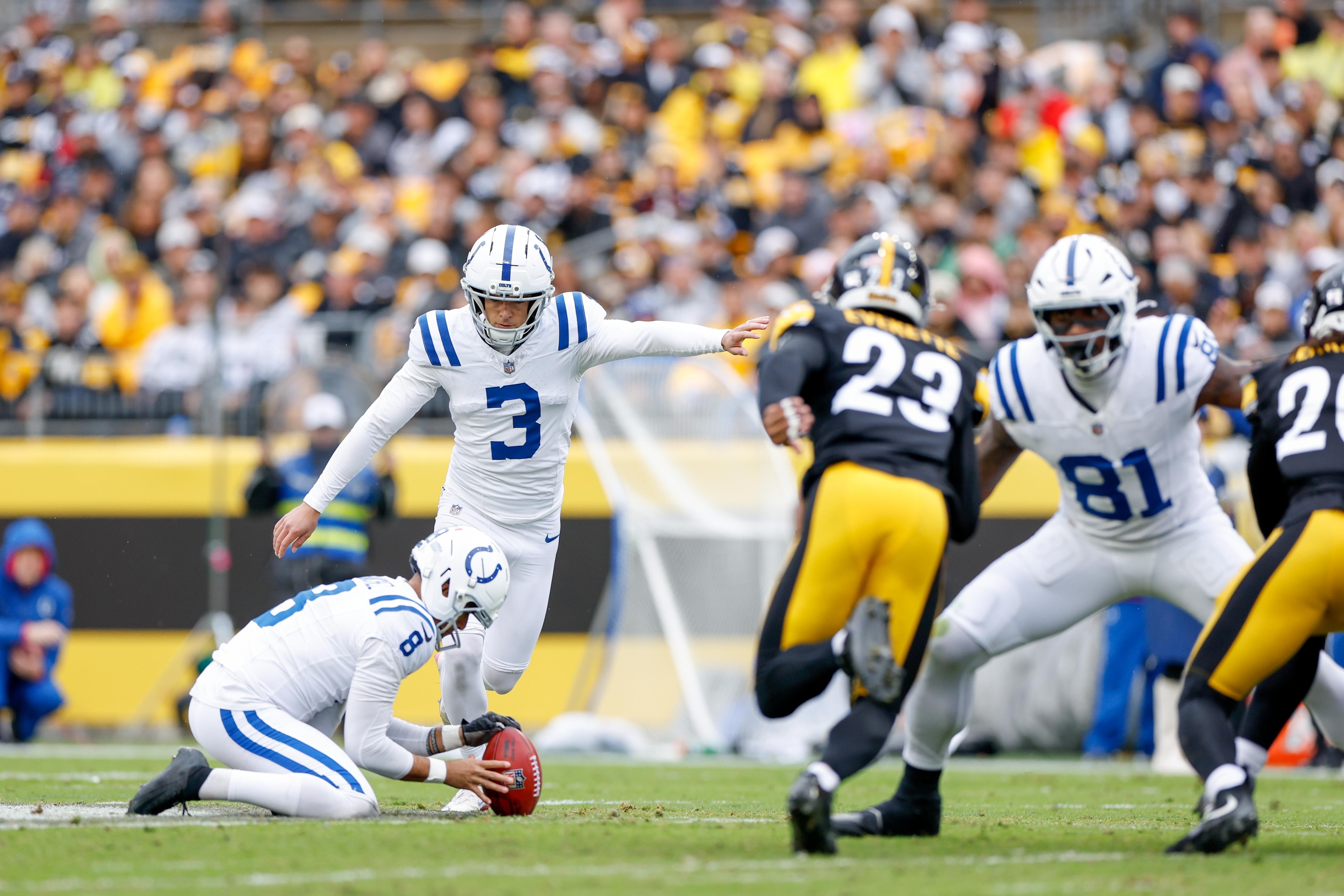
The Indianapolis Colts walked away from Pittsburgh with the kind of frustration that does not go away quickly. The clearest theme from the loss, as described in the team’s own recounting of the day, was opportunity squandered. It was not framed as a blowout, but as a rough, frustrating afternoon in which the Colts believed they had pathways to a win, then watched those opportunities end without the payoff.
The central issue was finishing drives. The narrative was blunt: had a few drives turned into touchdowns rather than field goals, the story would have been different. That is the sort of swing that can flip a one-score game into a comfortable result, and it is also the sort of swing that, over a long season, helps decide who separates from the pack and who spends weeks digging out of the margin.
Football has a way of turning process into outcomes, and the Colts’ “shoulda, coulda, woulda” day points to a process failure rather than a single, isolated moment. When a team moves the ball and then settles for points that feel insufficient, the deficit is not only scoreboard-based. It is also momentum-based, because every stalled drive gives the opponent a chance to reset, change personnel, and take the game tempo back.
From a strategic standpoint, the difference between field goals and touchdowns is often a chain reaction of small decisions. It can be red-zone play-calling and execution, it can be down-and-distance issues that force conservative routes, or it can be a turnover-avoidance mindset that becomes too conservative late in possession. Even without specifics, the framing suggests the Colts found ways into scoring territory but did not consistently convert that territory into touchdowns.
The location of the disappointment matters, too. Losing “in Pittsburgh” means the Colts were playing an environment where defensive intensity and crowd noise can magnify precision errors. Teams that arrive prepared for that pressure tend to benefit from calm, repeatable execution when drives tighten. For Indianapolis, the problem appears to have been the inability to translate sustained efforts into finishes that force the opponent to stop controlling the game.
There is also a psychological component to results like this. A team can accept a clean loss when it understands why it happened, but a loss tied to missed scoring opportunities creates lingering questions. Coaches and players typically respond by isolating each drive: what worked, what stopped working, and what decision point separated a touchdown from a field goal. Film review after games like this often shifts from broader improvement to surgical corrections.
What to watch next is whether Indianapolis treats the “finish drives” message as a one-week fix or a repeatable identity change. If the Colts can convert more red-zone possessions into touchdowns, the immediate results will likely follow. If they cannot, the league’s middle tier becomes a trap, because close games turn into a pattern of narrow defeats, and narrow defeats are what turn a season from contention into survival mode.
For now, the Colts’ takeaway is straightforward, even if the fix is not: they believe they created enough chances to win, and they did not capitalize. In the NFL, those days are rarely forgotten, because the standings do not care that opportunities were there. They only care what happened when the ball crossed the goal line.
Why It Matters
- Finishing drives is one of the biggest predictors of how teams separate over a season, especially when games are close.
- A pattern of settling for field goals can quietly cap offensive output even when the yardage and possessions look solid.
- Late-season swings in the standings often come from exactly these “one or two drives” differences.
- How the Colts respond in the red-zone next week can shape whether this becomes a teachable moment or a recurring problem.
Key Facts
- The Indianapolis Colts had a difficult day in Pittsburgh and left with frustration tied to missed chances.
- The central theme was the inability to finish drives with touchdowns.
- The reporting suggests the Colts settled for field goals instead of scoring touchdowns on key possessions.
- The framing is that the result might have been different if a few more drives had ended in touchdowns.
- The loss is characterized as rough but not described as a blowout.