
THE APEX TIMES
Colts look for steadier quarterback protection with three “hidden gems” on the 2026 roster
Indianapolis is banking on depth and unheralded contributors, spotlighting Tanor Bortolini, Arden Key and Bryce Boettcher as pieces that could help the offense stop leaking possessions before they reach the quarterback.
The Indianapolis Colts’ latest roster narrative is less about star power and more about what happens before the quarterback ever has a chance to operate. In a feature published Tuesday, Yahoo Sports framed the Colts’ offseason challenge as getting out of “NFL purgatory” while also trying to end a recent run of issues tied to quarterback stability. The article’s premise is that the difference-maker may not be a headline-level acquisition, but rather dependable players already in the organization who can make protection and playmaking easier to sustain.
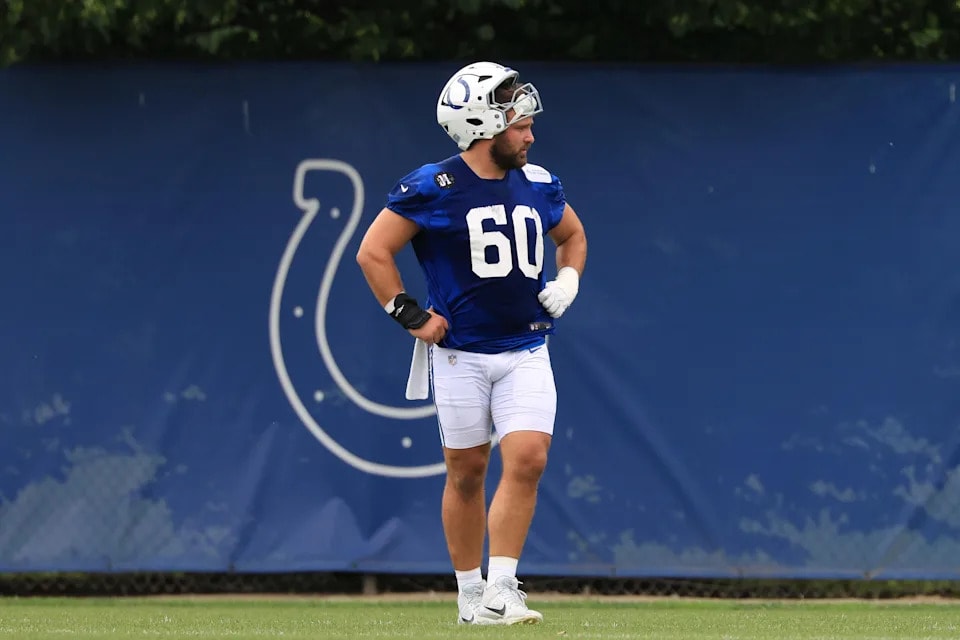
From that lens, the piece highlights three names as “hidden gems” for the 2026 roster: Tanor Bortolini, Arden Key and Bryce Boettcher. The common thread is the kind of roster value that rarely shows up in highlight reels: creating continuity along the lines of scrimmage, supporting the pass rush, and contributing where the box score undercounts impact, such as transitional plays and effort snaps.
The Colts’ history with quarterback security was used in the article to set a backdrop. Yahoo Sports pointed to the period from 1999 through 2018 as one in which Indianapolis benefited from protection and stability at the position, referencing the Manning era and then the transition to the Andrew Luck era. By contrast, the article suggests that the post-Luck stretch has not delivered the same baseline. Even without naming specific outcomes, the framing matters because it explains why a team would focus on “secret superstars” rather than solely chasing marquee solutions.
For Indianapolis, the quarterback question is ultimately a roster-wide problem. Protection is not just about the five players who line up for each snap; it is also about how well the unit communicates under pressure, how quickly the offense can reset when a play breaks down, and whether pass protection holds up long enough to allow the route design to develop. On the other side of the ball, a strong defense can reduce the offense’s burden by forcing hurried throws, getting opponents into longer third downs, and generating pressure without always having to blitz.
Arden Key and Bryce Boettcher are presented in the article as part of that broader ecosystem, with Key positioned as a potential difference-maker on the edge and Boettcher listed among the roster’s less-publicized impact options. If the Colts’ goal is to reduce pressure on their quarterback through game management, then both pass-rush effectiveness and defensive identity become part of the quarterback-stability conversation, even when the quarterback is the star of the sport’s storytelling.
Tanor Bortolini is the third name emphasized in the feature. His inclusion indicates that the Colts also view interior consistency as a lever. In the league’s modern passing game, small gains in pass-rush disruption and run-game integrity can translate into longer drives, fewer emergency throws, and more workable down-and-distance. For a team seeking to change its recent trajectory, improving the “in-between” moments is often the most realistic path.
What to watch next is how these three players carve out roles that show up in game plans. The immediate indicator will be whether the Colts trust their depth in critical snaps, especially early in games when the pace is established and protection becomes a test. If the team’s quarterback situation stabilizes, it will likely be because the supporting cast can prevent chaos, not just because of what happens after the ball is snapped.
For readers looking for a simple takeaway, this is the Colts’ stated direction: build the kind of dependable, workmanlike roster that makes quarterback life easier. Bortolini, Key and Boettcher are the article’s chosen examples of that strategy, and they represent the type of player who can change a season without ever becoming the loudest name in the building.
Why It Matters
- If the Colts’ offense can protect the quarterback more consistently, it affects everything downstream: play-calling freedom, third-down conversion chances and overall drive length.
- A pass rush that can generate pressure without excessive risk can lower the volatility of quarterback play by shortening routes and forcing quicker decisions.
- Highlighting depth players suggests Indianapolis may be trying to solve roster-wide problems through reliability rather than headline-only upgrades.
- The “hidden gems” framing also shapes expectations for the preseason-to-regular-season transition, where roles and trust determine who gets snaps in tight games.
Key Facts
- Yahoo Sports published a feature highlighting three Indianapolis Colts players as “hidden gems” on the 2026 roster: Tanor Bortolini, Arden Key and Bryce Boettcher.
- The feature argues the Colts’ broader challenge is improving quarterback stability and changing a recent pattern of difficulty at the position.
- The article contrasts earlier Colts stretches of quarterback security (1999-2018) with a more unsettled era since.
- The Colts’ roster-building approach in the feature emphasizes depth and less-publicized contributors who can affect protection, pressure and game management.
- The piece frames defensive and line play as part of the quarterback stability equation, not separate storylines.