
THE APEX TIMES
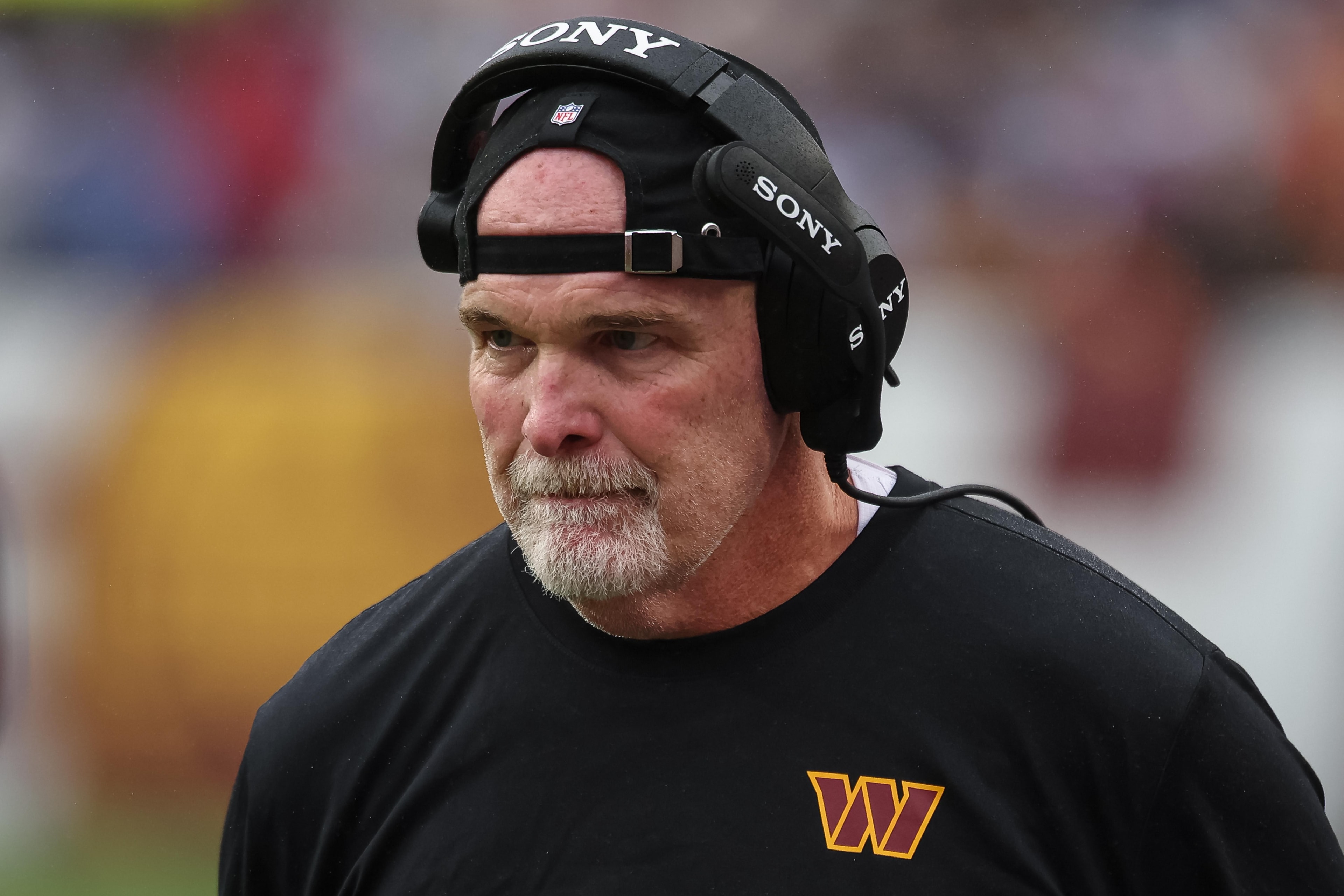
Commanders’ Dan Quinn debate reignites after “debacle” vs. the Giants, with fans split on the blame
A loss framed online as a breakdown has turned into a larger argument about what Dan Quinn’s job should be, and whether the Commanders’ defensive identity is slipping.
The conversation around the Commanders took a sharper turn after a game described in one account as a “debacle” against the Giants, with the immediate question becoming whether that performance should cost Dan Quinn his job. The framing is familiar in the NFL, where one poor outing can quickly become a referendum on coaching, preparation, and in-game management, especially when a unit is expected to set the tone week after week.
In that discussion, the focus is not only on the result but on the process people believe they saw. The piece points to a dynamic common to sports debates: frustration and anger drive louder, more personal takes, even when the real question is more specific, what the viewer thinks Quinn and the defense were trying to do, and whether those objectives were met in the moment. It is the sort of argument that travels far beyond the sideline, gathering traction across social media because it feels like an explanation for a pattern rather than a single mistake.
For Quinn, the stakes are tied to how the Commanders are viewed as a team when the opponent has momentum. When fans and commentators say a defense “falls apart,” they are typically bundling together several issues that can include spacing, tackling, communication, and decision-making under pressure. Quinn, as the head coach, becomes the primary screen onto which those concerns are projected, even when the immediate evidence is tied to one matchup.
The Giants game is being treated in the online debate as a tipping point, but the broader reality is that NFL coaching evaluations are rarely decided by a single Sunday. Coaches are judged on longer arcs: defensive performance trends, how consistently a team executes its scheme, and whether adjustments show up quickly when game plans stop working. In Quinn’s case, the job question being raised today is essentially whether the Commanders have a reliable defensive baseline, or whether big mistakes are happening often enough that the label “debacle” is not an outlier.
That tension also explains why the argument is emotional. The piece’s title and premise suggest that the loudest posts are not just seeking accountability, they are also trying to assign a clear cause to an uncomfortable outcome. When people see a team fail in a way that looks avoidable, the mind reaches for permanence: Is this what the coaching is now? Or is it what happened because the game turned and the plan could not recover?
Moving forward, what to watch is whether the Commanders respond with sharper execution and whether the defensive approach is consistent in the weeks after the Giants. If the team can limit the kinds of breakdowns that fuel these debates, the “job” question will likely fade back into the normal churn of NFL fandom. If not, the discourse will likely harden again, because the NFL’s calendar allows fans and media to connect dots quickly, and Quinn will keep being evaluated on whether the dots form a trend.
Why It Matters
- Head-coaching scrutiny can accelerate quickly in the NFL after a high-profile, widely criticized performance.
- When a game is treated as a turning point, it can shape how the next stretch of weeks is evaluated, even before wins and losses arrive.
- The debate illustrates how defensive identity and execution become tightly linked to coaching perception in modern fan discourse.
- How the Commanders respond in subsequent games will determine whether the discussion stays a moment or becomes a larger narrative.
Key Facts
- The discussion centers on the Commanders’ Dan Quinn after a game described as a “debacle” versus the Giants.
- The cited account frames the debate as driven by fan frustration and anger, and questions whether that emotion is obscuring the underlying coaching responsibility.
- The primary question posed in the headline is whether the Giants performance should cost Quinn his job.
- The argument is presented as part of an “All aTwitter” lens, emphasizing how online narratives form around NFL coaching and team identity.