
THE APEX TIMES
Commanders place Laremy Tunsil and Jer’Zhan Newton on IR as roster window nears activation cutdown
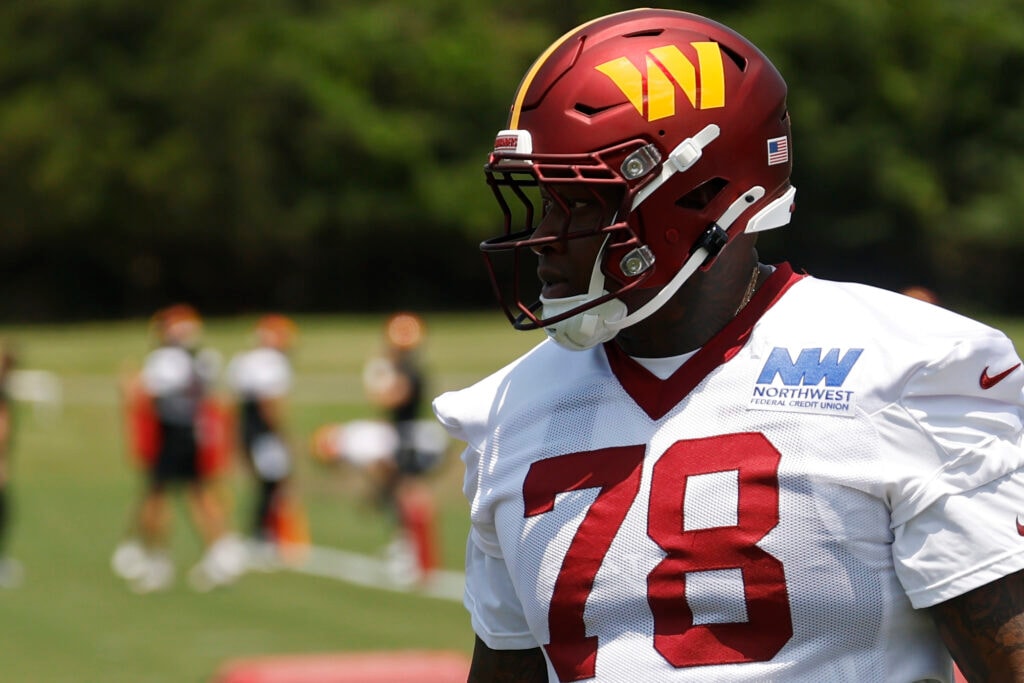
Washington’s decision to put its offensive left tackle Laremy Tunsil and defensive tackle Jer’Zhan Newton on injured reserve is another early-season roster fork, even as the team still appears to believe both can return later in the year.
Washington placed left tackle Laremy Tunsil and defensive tackle Jer’Zhan Newton on injured reserve, according to ESPN’s Adam Schefter as relayed by Pro Football Rumors on Monday. The moves came around the period when NFL teams weigh late-week roster rules and, in Washington’s case, the timing intersected with how many injured players can be activated from IR during the season.
Pro Football Rumors reported that the Commanders did not use one of their IR-return cutdown-day slots on Tunsil. That detail matters because the league’s IR-return mechanism is designed to give teams a limited number of chances to bring a player back during the season without having to keep them sidelined all year. Washington still holds hope that Tunsil, a Pro Bowl-level left tackle, can return this season.
Newton, a defensive tackle, was placed on IR in the same transaction window. Like Tunsil, Newton’s designation indicates that Washington is planning for a longer timeline rather than an immediate return. For a defensive interior group that often depends on continuity for run defense assignments and pass-rush alignment, an IR placement forces an early reshaping of roles, even if the long-term plan is for Newton to come back later.
Pro Football Rumors also noted that neither placement counts against Washington’s eight-activation limit. In practice, that suggests the Commanders are treating these moves as manageable within the roster framework they expect to use later. Teams can plan their season in stages, balancing immediate availability against the possibility of activating key players at a later point once practice participation and medical readiness align.
The lack of an IR-return slot use for Tunsil also frames the decision as a case of preserving future flexibility. If a player is placed on IR but not taken through a specific activation pathway at the cutdown window, the team generally accepts that it will not regain that player right away. That can be an intentional hedge: it keeps roster resources intact for other needs while still allowing a path to reintegration when the return window opens again.
Because this update is being reported through a newswire-style transaction note rather than a team-issued medical release in the public record, some specifics remain unclear from the information currently at hand. The nature of the injuries, expected timelines, and exact activation eligibility details should be confirmed through official NFL or Washington communications as the week progresses.
For the Commanders, the immediate practical effect is roster math. A left tackle on IR alters the offensive line’s assignment structure, and a defensive tackle on IR changes how Washington sizes up against the run and how it distributes snaps for interior pressure. What to watch next is whether Washington names corresponding starters or rotational adjustments, and whether either player’s practice participation shifts as later IR-return opportunities approach.
Why It Matters
- Tunsil’s IR status impacts the left side of Washington’s offensive line, forcing early snap distribution changes.
- Newton’s placement affects defensive interior depth and may shift run-defense and pass-rush personnel groupings.
- Not using an IR-return cutdown-day slot suggests Washington is prioritizing future roster flexibility over an immediate return.
Key Facts
- The Washington Commanders placed left tackle Laremy Tunsil on injured reserve, per reporting attributed to ESPN’s Adam Schefter.
- The Commanders also placed defensive tackle Jer’Zhan Newton on injured reserve in the same update.
- Pro Football Rumors reported Washington did not use an IR-return cutdown-day slot on Tunsil.
- Pro Football Rumors reported that neither IR placement counts against Washington’s eight-activation limit.
- The transactions were reported on August 31, 2026.