
THE APEX TIMES
Connor Norby’s second-base opportunity for the Rockies, and what “raising the bar” really means in 2026
With Colorado looking for steady infield stability, second baseman Connor Norby represents a chance to turn early major-league experience into consistent, high-leverage value.
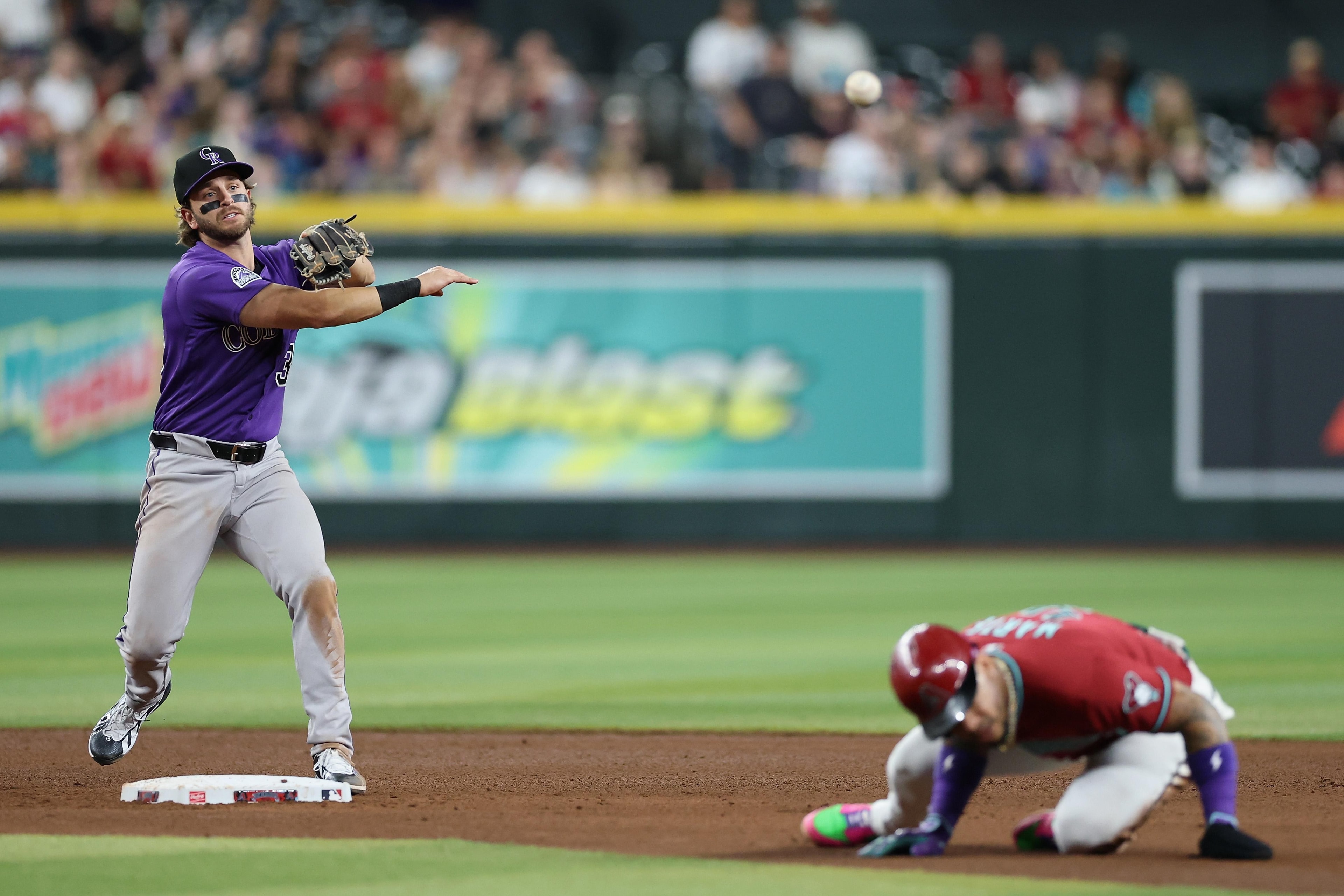
On Saturday in Colorado’s orbit, the focus drifted back to second base and Connor Norby’s rapid start to his major-league career. The framing was straightforward: Norby has already accumulated enough at-bats and on-field responsibility to suggest he can push the expectations placed on the position, even though his time in the majors remains relatively new.
“Could raise the bar” is a phrase that usually sounds motivational, but in baseball terms it points to the same set of problems every club has at the keystone. A team wants routine plays converted into outs, quick decision-making on transfers, and an offensive role that fits the surrounding lineup. For the Rockies, those requirements carry additional weight because the infield, more than most places on the diamond, often determines how frequently a pitcher can work with clean counts rather than extended runners-on situations.
Norby’s major-league tenure, described as barely two years old in the Saturday Rockpile update, has meant he is still in the phase where development and adjustments are happening quickly. The early-career stage matters because second base is unforgiving to timing. Footwork, partner-read speed, and throwing windows to first base are repeatable skills, but they also depend on consistent reps and clear expectations from the coaching staff. The “raise the bar” angle implies Colorado believes Norby’s level can move beyond “finding his way” into something that looks more like a baseline.
The second-base conversation also tends to overlap with lineup construction. A middle-infield spot is not just defense. It is how a team creates innings, whether by getting on base, turning balls in play, or providing lineup balance so that other hitters can operate with less pressure. When a club highlights one player’s trajectory at a specific position, it is usually because they are trying to solve more than one roster question at the same time.
Still, Saturday Rockpile pieces are best read as perspective rather than a comprehensive assessment. Without official performance splits, roster notes, or verified game-by-game details in the material available here, it is not possible to quantify what Norby has done recently or exactly how his production and defense are trending. What can be said confidently is that his early major-league experience has been enough to keep him at the center of the Rockies’ internal second-base storyline.
For what to watch next, the key is consistency, not flashes. If Norby’s play at second base stabilizes, the Rockies can more freely plan around him as an anchor rather than a rotating option. If his at-bats line up with what the club needs from the middle infield, it can also change how Colorado attacks games in the middle innings, especially when innings begin to tighten late in contests.
The broader takeaway is that Norby’s opportunity is representative of the club’s broader roster-building challenge. The Rockies are always balancing present-day needs with the reality that internal development takes time. The Saturday focus on Norby suggests the organization is willing to bet that this is the moment where early experience becomes a higher standard of everyday value.
As the season moves deeper into August, the “bar-raising” question will be answered in the only way baseball answers those questions, through repeated execution across weeks. Norby does not need to be perfect to matter. He needs to be dependable, and at second base, that dependability is the difference between an infield that merely functions and one that quietly drives games.
Why It Matters
- Second base is a central infield spot where defensive reliability and decision-making can affect pitching and baserunner outcomes across games.
- A young middle-infield presence can influence lineup construction by determining where certain offensive roles are placed.
- If Norby’s level holds, it strengthens the Rockies’ ability to build longer-term plans around a clearer everyday identity at keystone.
- In a season’s late phase, internal development becomes more visible, and early-career players face the test of consistency over time.
Key Facts
- Connor Norby is a major-league second baseman for the Colorado Rockies.
- A Saturday Rockpile item highlighted Norby’s early major-league career, described as barely two years old.
- The piece argued Norby has the potential to “raise the bar” at second base for Colorado.
- The coverage positions the second-base role as a key part of the Rockies’ short-term roster and performance picture.