
THE APEX TIMES
Corey Seager’s Double-A rehab draws attention as Rangers prospect Sebastian Walcott turns in a standout week at Riders Field
With the Texas Rangers focused on their American League West push, the pause in the big-league spotlight is coming at Double-A, where a rehab assignment is bringing a measuring stick to Riders Field and a top prospect is answering the moment.
Corey Seager’s rehab assignment has turned Riders Field into a brief testing ground for the Texas Rangers, and the visiting buzz has been matched by play on the infield. According to MLB’s report, the five-time All-Star and two-time World Series MVP worked through a stint at shortstop during his Double-A time, logging three at-bats before departing early. For the Rangers, the practical value is clear, it is another step toward the right-handed swing and steady glove that can shape their run the rest of the way.
The setting also matters. Riders Field is where the Rangers’ developing talent is evaluated at game speed, and when a franchise centerpiece like Seager shows up, it amplifies attention on the players trying to close the distance. MLB described the run as “all boxes checked” in the context of Seager’s progression toward his return to Arlington. That language frames the rehab as moving in the intended direction, even if it also underscores that the timeline remains a process rather than an instant switch.
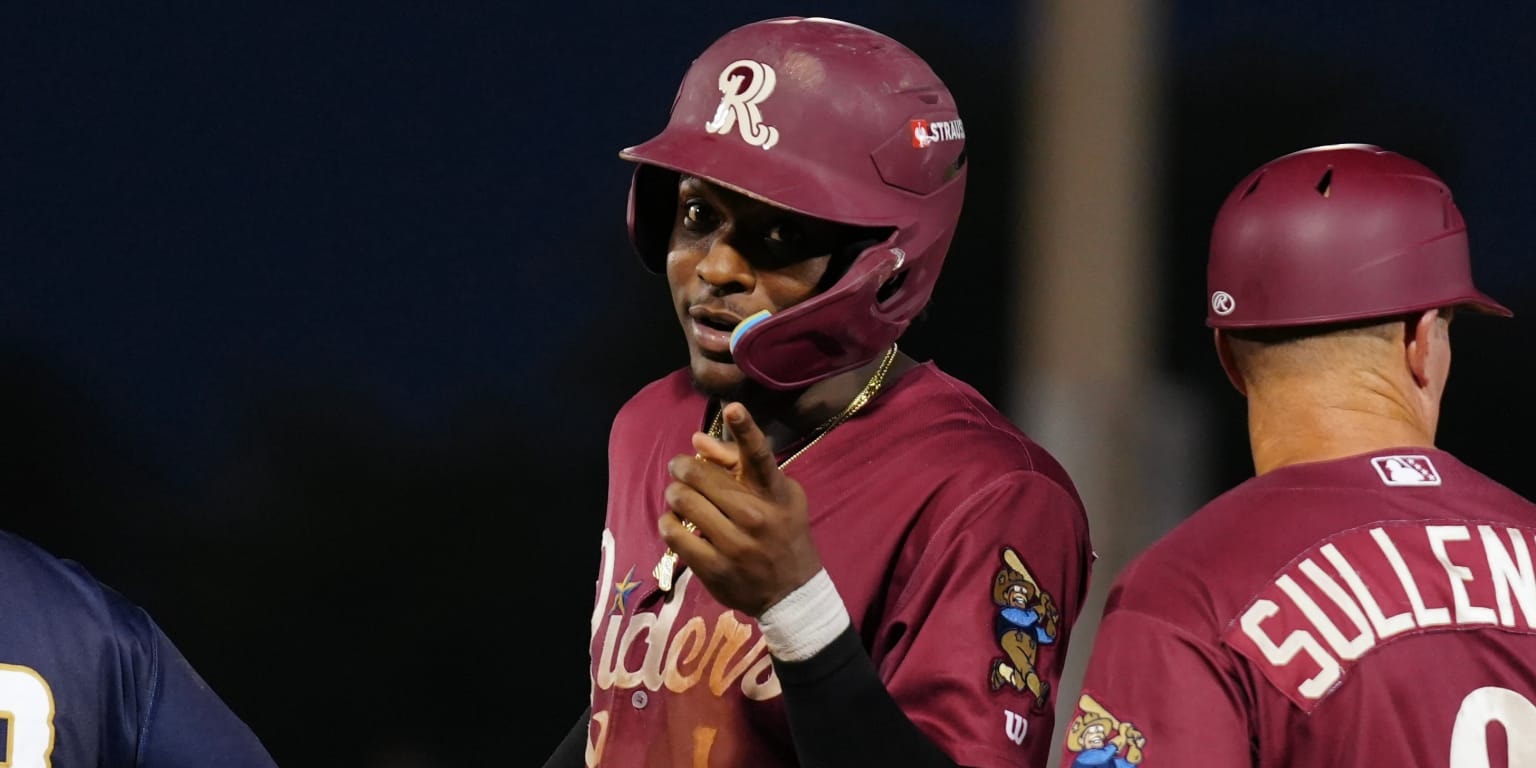
While Seager drew the headlines, MLB’s story highlighted a different type of momentum from the home side, with top prospect Sebastian Walcott making his presence felt. The report’s focus is that Walcott stole the spotlight during the rehab week, and it notes he produced a home run in back-to-back games. For an organization trying to balance immediate competitiveness with sustained depth, that kind of short-term output is also the kind of development checkpoint evaluators watch closely.
Walcott’s performance is not just a highlight reel moment. In a Double-A environment, back-to-back power is often interpreted as more than timing, it can report comfort with both pitch selection and sequencing against high-level arms. Combined with the attention that comes from having Seager in the same stadium, Walcott’s week serves as a reminder that Rangers’ roster building is not a single-track operation. Even as the major-league team pushes toward postseason relevance, prospects still have to translate work into results.
Seager’s role in the story is both personal and organizational. He is described as manning shortstop during the rehab, which matters because position readiness is part of what teams evaluate beyond raw swing mechanics. Shortstop is not a casual assignment, it is a defensive and tactical anchor, so his work there offers Rangers supporters another look at what the club expects to regain when his return to Arlington arrives.
The larger backdrop is the Rangers’ pursuit of an American League West division crown and the possibility of a pennant. MLB’s report connects the Double-A attention directly to that postseason picture, positioning Seager’s return as part of the push, while Walcott’s two-game power surge stands as a reminder that the farm system’s next wave is also under active evaluation.
What to watch next is twofold. For Seager, it is whether the rehab progression continues on schedule and whether the “all boxes checked” framing holds through the final steps of his assignment. For Walcott, it is whether the back-to-back homers mark the beginning of a sustained run at Double-A, or whether this week is a peak moment that he will need to replicate more consistently to move into the next tier of consideration.
In the immediate term, Rangers fans get a rare peek at both ends of the development spectrum at once. Seager’s at-bats provide a yardstick for his imminent big-league role, and Walcott’s production shows what this level can still manufacture. Together, they turn a rehab week into something closer to a measuring contest, between the established star’s return and the prospect’s claim that he belongs in the conversation.
Why It Matters
- A star’s rehab progression can directly influence a major-league lineup’s stability, particularly when the player is working at a key defensive spot like shortstop.
- Double-A standouts can earn accelerated organizational attention when they produce during high-visibility weeks, and power spurts are often treated as a development report.
- The Rangers’ season picture depends on both short-term readiness from established players and long-term depth from prospects, and the story places those priorities side by side.
- If Walcott’s production continues beyond a brief window, it strengthens the case for him to move closer to higher-leverage assignments within the system.
Key Facts
- Corey Seager is on a rehab assignment at Double-A and manned shortstop during his time there.
- Seager logged three at-bats before departing early, with MLB describing it as progressing toward his return to Arlington.
- Seager’s rehab week brought major-league attention to Riders Field for the Rangers’ organizational stop.
- Top prospect Sebastian Walcott drew attention during the week, including a home run in back-to-back games.
- MLB’s report ties the timing of Seager’s return to the Rangers’ push for an American League West division crown and a potential pennant.