
THE APEX TIMES
Cowboys’ 64-yard field-goal call raises a coaching question
With Dallas already in range late, the choice to trust Brandon Aubrey from 64 yards instead of switching the plan is the kind of moment that can define how a season is remembered.
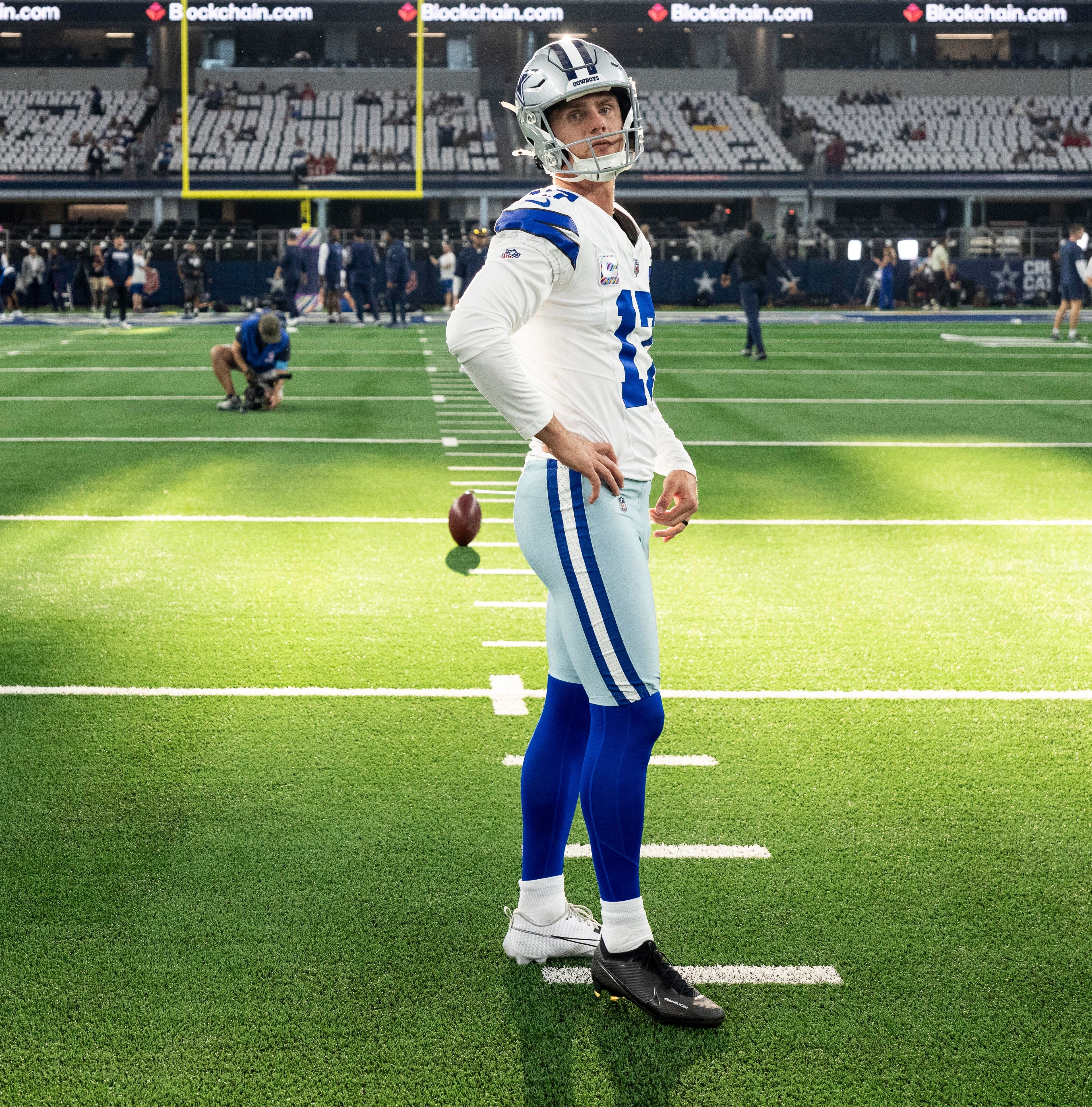
The Dallas Cowboys lost on Thursday night, and the most debatable moment did not involve a turnover or a defensive breakdown. It centered on a late-game decision to let kicker Brandon Aubrey attempt what the game narrative described as a 64-yard field goal. The Cowboys had a workable chance to change the game, but the call sparked the kind of frustration that tends to linger in the immediate aftermath of a defeat.
Aubrey is known as a distance specialist, so the underlying logic of the decision is not hard to see. In the modern NFL, teams manage clock, field position, and win-probability calculations with the assumption that elite legs can manufacture points from longer ranges. Still, a 64-yard attempt forces the margin of error to tighten dramatically compared with more conventional numbers, and it puts the entire late-drive outcome into a single, thin window of execution.
For Dallas, the decision is being questioned not because of the talent of the kicker, but because of what it means operationally. When a coach chooses to go for a long kick rather than pivot to a play that creates a shorter attempt or more control over the final possession, it indicates a philosophy about risk. Sometimes those risks pay off. Other times, the team is left explaining why a different clock management path might have created the same end state with less volatility.
This is also where the context of game management matters beyond the final kick. The Cowboys, as with any offense, can face a sequence where the drive stalls, the clock tightens, and the margins get smaller. In that scenario, the difference between a 50-yard attempt and a 64-yard attempt is not just distance, it is frequency and certainty. Even with a dependable kicker, longer field goals are less repeatable, and coaches often know that the best late-game plan is the one that preserves options until the final moment.
The broader coaching question is how Dallas balances trust in specialized players against situational play-calling. A long attempt can be the right move if the conditions are favorable and the game script supports the strategy. But if the kick does not convert, the decision becomes a spotlight because the team had other paths to produce points or to preserve a chance to respond. That is why the conversation is not really about whether the kicker is capable, but about whether this specific gamble fit the moment.
Looking ahead, the immediate takeaway for Dallas is that late-game decision-making will continue to be scrutinized, especially when the team is chasing consistency in close contests. A single missed kick can swing emotions, but the longer effect is on how the coaching staff calibrates risk tolerance under pressure. For fans, the next test is whether Dallas becomes more conservative in similar late situations, or whether it doubles down on the principle that elite specialists should be used when points are on the table.
Why It Matters
- Late-game risk tolerance is a coaching identity, and one missed attempt can shift how opponents and fans read the team’s end-game decision-making.
- Long field-goal attempts concentrate outcomes, which can alter how the team evaluates alternative clock and play options late in games.
- If these close-game margins continue, the coaching decisions made in the final minutes can become a key differentiator in playoff-style football.
Key Facts
- A late-game coaching decision by the Dallas Cowboys involved a field-goal attempt described as a 64-yard kick.
- The kicker involved in the decision was Brandon Aubrey.
- The Cowboys lost on Thursday night, and the decision is being discussed as a frustrating moment.
- The central question is whether Dallas should have trusted a 64-yard attempt rather than choosing a different late-game plan.