
THE APEX TIMES
Cowboys receive a cautious boost as CeeDee Lamb deals with a bruised quadriceps
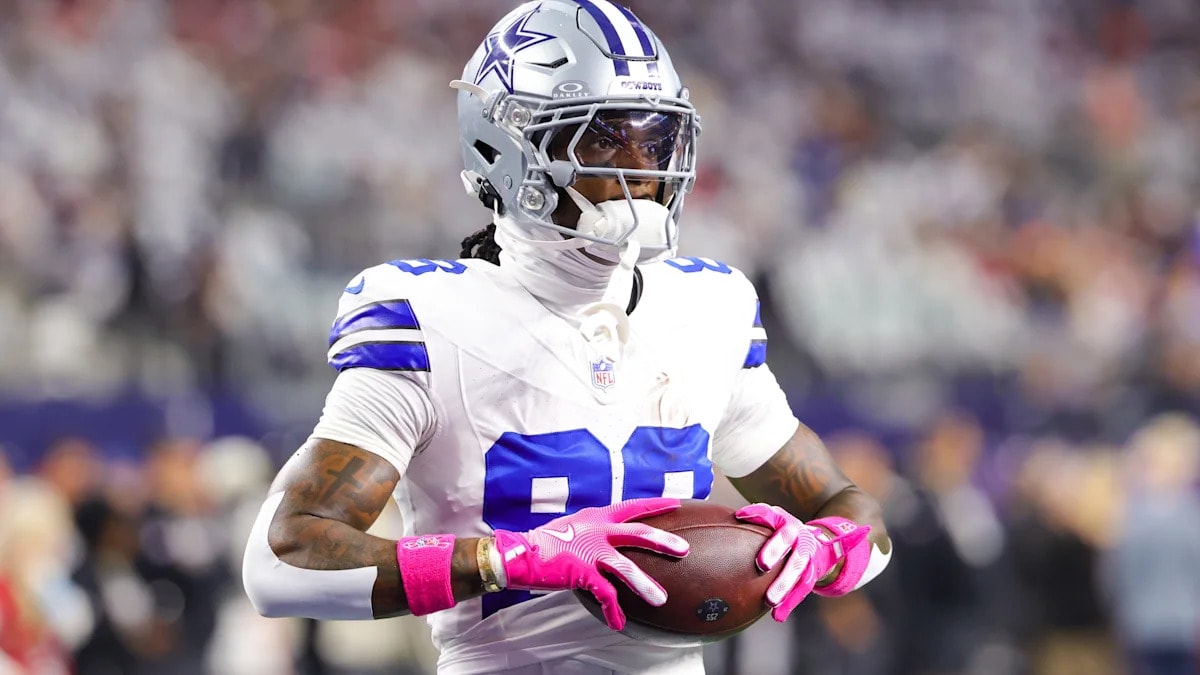
Dallas coach Brian Schottenheimer said Thursday night’s concern around CeeDee Lamb was not a serious injury, though the star wide receiver is being treated as day-to-day with a bruised quadriceps.
The Dallas Cowboys got a practical piece of good news after a late-game scare involving wide receiver CeeDee Lamb. Head coach Brian Schottenheimer said Lamb avoided a serious injury, but is dealing with a bruised quadriceps, a development that will shape the team’s next stretch of practice and game-day planning.
Quadriceps injuries can be especially tricky for an NFL wideout because they affect sprinting, accelerating, and the ability to decelerate into routes. A bruise is often less alarming than a strain, but it still tends to force teams to monitor pain responses closely, manage workload, and look for any shift in mobility during warmups.
Schottenheimer’s wording matters because it suggests the Cowboys do not need to plan for a worst-case scenario at the position. For Dallas, the difference between “serious injury” and a bruise typically influences whether an offense can keep its full route tree and timing patterns intact rather than simplifying play-calling to protect the downfield and perimeter game.
Even with the good news, the Cowboys’ immediate challenge is operational. NFL staffs usually translate an injury update into a detailed plan: how much the player can do in team settings, whether he needs limited reps, and how practice intensity ramps (or does not ramp) across the week. The goal is to reduce the risk of aggravation without waiting too long to see whether the receiver can perform at full speed.
Lamb’s role only increases the stakes. As the Cowboys’ established high-volume target and a centerpiece of their passing attack, his availability changes how much the offense can ask from the route runners and the protection rules for the quarterback. When a top receiver is limited, teams often shift production to other options, which can affect downfield efficiency and red-zone spacing.
For now, the reported update frames Lamb as someone who must be watched, not removed from consideration. The Cowboys will likely keep evaluating the bruised quad with a short leash for intensity, prioritizing lateral movement and acceleration tests as the week progresses.
The next meaningful question for Dallas is simple: whether Lamb can return to full participation without a setback. If his status improves from “bruised quadriceps” to normal practice, it would give the Cowboys flexibility in both their preparation and their usage during games.
If, however, pain management limits his explosiveness even slightly, Dallas could be forced into contingency planning that impacts targets, tempo, and the depth of their passing plan. Either way, Schottenheimer’s “good news” provides a window, not a conclusion, and the Cowboys’ practice reports will carry the story forward.
Why It Matters
- A top receiver’s health directly affects how an NFL offense can practice routes, timing, and play-action or dropback balance.
- Even when the injury is not classified as serious, a bruised quadriceps can still impact acceleration and route separation early in games.
- The Cowboys’ ability to keep Lamb in the mix could reduce the need for major adjustments to target distribution and passing concepts.
- Dallas will likely make key decisions about practice reps and in-game usage based on Lamb’s responsiveness day to day.
Key Facts
- Dallas Cowboys head coach Brian Schottenheimer said CeeDee Lamb avoided a serious injury after Thursday night.
- Schottenheimer also said Lamb is dealing with a bruised quadriceps.
- The injury update points to a monitoring-and-workload approach rather than an expectation of a long-term setback based on the reported description.
- Because Lamb is a primary wide receiver, his status will influence Dallas’ weekly game planning and passing attack execution.