
THE APEX TIMES
Dallas’ talent pipeline meets NFL realities, with the team’s decision-making voice stressing that a first-round pass-rusher’s early output should be viewed through a developmental lens.
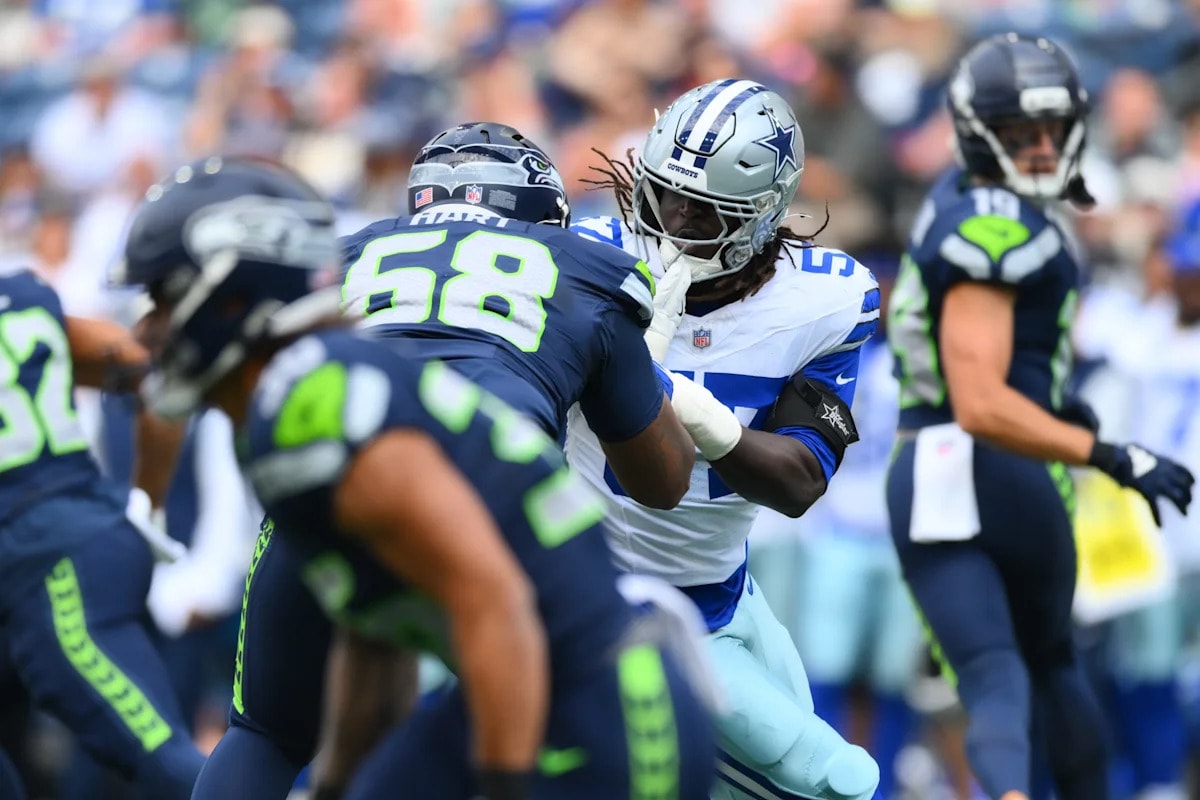
Dallas’ newest rookie pass rusher arrives with a built-in timeline pressure. In the NFL, players selected in the first round are expected to do more than learn the playbook, they are expected to contribute quickly. Against that backdrop, a recent discussion from the Cowboys’ personnel side framed the situation with a simple message: snaps are hard to find, and production may not arrive on the same timetable fans have been trained to expect.
The comments were attributed to Will McClay, a longtime Cowboys front-office talent evaluator, as he weighed expectations for the team’s rookie defender. McClay’s point, as reported, was not to lower standards but to calibrate them. “Sky is the limit” language was used in connection with the player’s upside, while the broader reminder was that even top draft picks are still learning how to translate college speed, instincts, and technique to the pace, leverage, and assignments of the NFL.
That context matters because pass rush is not a plug-and-play skill in the same way a pure thrower or immediate game-management position can be. For a rookie, the job often begins with mastering what type of rush lane is available, how offensive linemen are coached to angle the pocket, and how the defense’s stunts and pressures are communicated. Even when a rookie flashes, opportunities can be limited by down-and-distance game plans, rotational packages, and the need to stay structurally sound against screens and run fits.
The Cowboys’ situation, as implied by the reported conversation, is shaped by the modern expectations for premium rookie defenders. First-round selection typically means the team expects early impact, but the role of a “cornerstone” player does not always start as a full-time starter on every snap. Defensive coordinators often narrow a rookie’s responsibilities at first, then expand them as the player proves he can win leverage, maintain assignment discipline, and adjust on the fly when offenses change protections and blocking schemes.
For Cowboys fans, the tension is familiar. Patience is easier to recommend than to practice when a player is billed as a top-of-the-draft difference-maker. But McClay’s message, according to the report, leans into a realism that front offices routinely apply internally: development is not linear, and “good” production for a rookie might look different early in the season than it looks a few months later.
The best way to watch whether this patience is well-founded will be through the structure of the rookie’s opportunities. Look for expanded snaps over time, more consistent involvement in obvious pass-rush situations, and signs that the player’s technique translates, not just raw effort. If the rookie’s role grows without sacrificing assignment reliability, that is usually the strongest indicator the organization’s long-term projection is on track.
There is also a broader organizational implication. When personnel leadership publicly talks about both upside and patience, it can be read as a report that the Cowboys view this draft pick as a long-term piece of the front’s identity. If the early learning curve is managed correctly, the franchise gets the benefits of high-ceiling talent without wasting the development window on unreasonable expectations.
Until the season offers a larger sample, the “what to expect” question remains the same one the report addressed: in a play-now league, patience is not the absence of accountability. It is simply the recognition that a rookie pass rusher’s path to impact often starts with earning snaps, then building from there.