
THE APEX TIMES
Cubs enter a pivotal stretch with Trade Deadline decisions centered on pitching
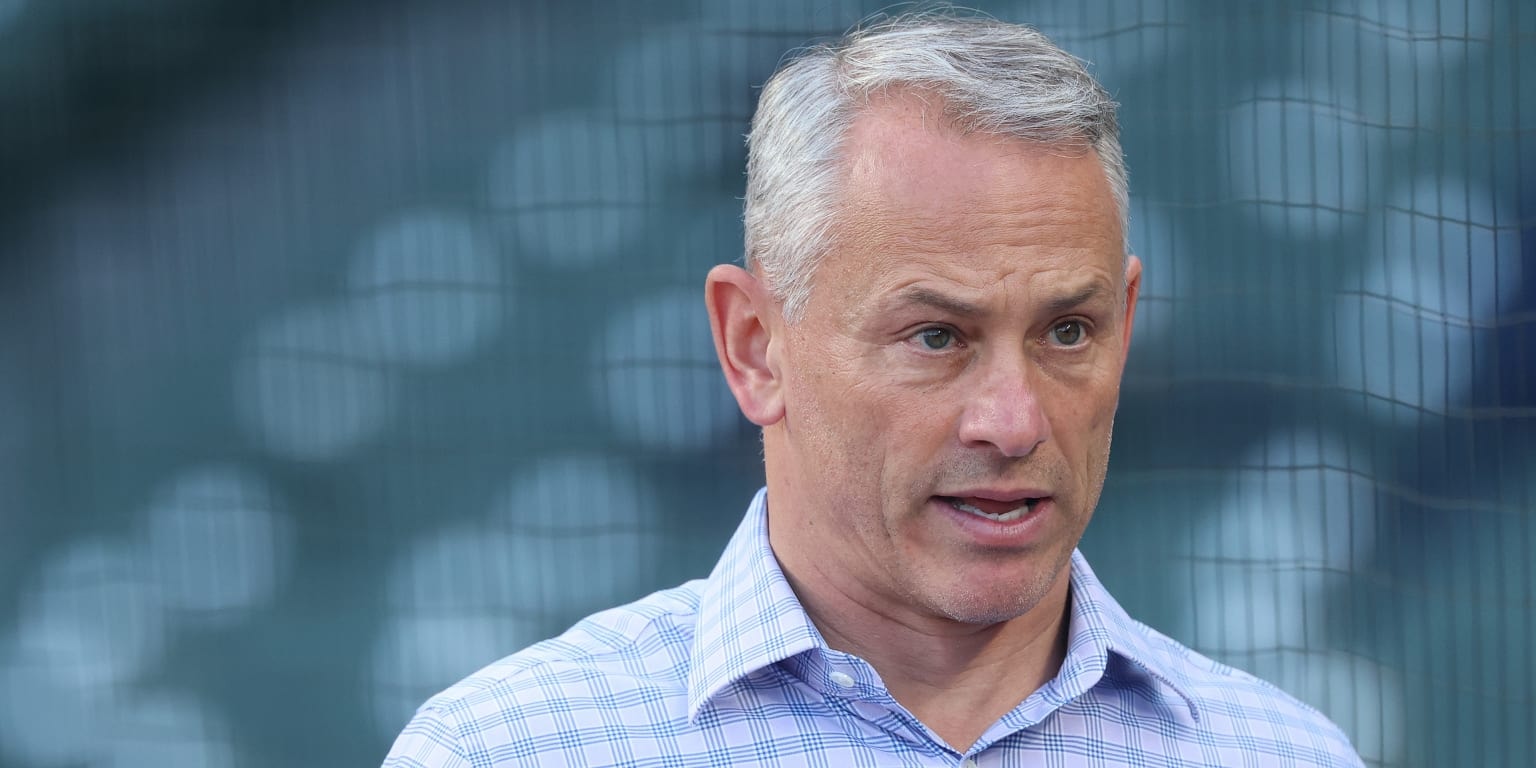
Chicago’s recent volatility has intensified the front office’s focus on Aug. 3, with injuries reshaping both rotation and bullpen needs as president of baseball operations Jed Hoyer points to the weeks ahead as defining.
The Chicago Cubs are approaching the Trade Deadline with a sense of urgency that has less to do with one series and more to do with the season’s pattern. A hot start that had them looking like a contender early gave way to a pronounced offensive downturn in May, and the team has since swung back toward better form even while injuries have piled up. In a conversation framed around the next month, Cubs president of baseball operations Jed Hoyer described the current stretch as important in determining the organization’s approach at the Aug. 3 deadline.
Hoyer’s comments came as Chicago began a home series against the St. Louis Cardinals with an opening result that underscored the day-to-day challenges of the schedule. The Cubs were routed in the opener, losing 17-1 at Wrigley Field, one game after they capped a sweep of the San Diego Padres with a 23-3 win. Taken together, the sequence illustrated how quickly momentum can shift for a team trying to balance development, roster health, and immediate results.
The Cubs’ organizational decision-making is shaped primarily by the pitching picture, and the scope of the injury list has already narrowed the margin for error. MLB reported that injuries to the rotation have included Ben Brown, Edward Cabrera, Cade Horton, Justin Steele, and Jameson Taillon, all listed on the injured list. The bullpen situation has been similarly disrupted, with Phil Maton, Hoby Milner, and Daniel Palencia also noted on the injured list.
The Cubs’ active roster adjustments reflect that need. In the reporting, Chicago’s starter against St. Louis was David Peterson, acquired from the Mets in a trade made on June 25 for minor leaguer Cole Mathis. The move, as described by the Cubs’ decision-makers, was made out of need but also with an eye toward Peterson’s ability to contribute as a potential bounceback.
Chicago has also brought in additional arms through the waiver and minor league markets, according to MLB’s account of the Cardinals game. Right-handed pitcher Bryse Wilson and left-hander Drew Pomeranz logged work in the 17-1 loss, with both described as additions made recently via waivers and a minor league agreement, respectively. Those kinds of moves matter because they offer short-term stability while the front office evaluates whether the biggest gap is best addressed by adding established depth or by rebalancing roles internally.
Looking forward, the Cubs’ next stretch is framed by Hoyer as a time when the organization can begin to “level things out,” while also acknowledging that the rest of the season is likely to remain eventful. The key point is that the front office’s trade planning is tied to both performance and availability, with pitching identified as the priority area for Aug. 3. If the next games show a consistent improvement in run prevention and the rotation can be managed without further erosion, the Cubs may be more selective. If innings continue to thin out due to the injured list, Chicago’s urgency to add pitching at the deadline would only grow.
For fans, the practical question is how the Cubs balance “patch now” moves with “build for later” decisions. The team’s ability to keep its starters stretched safely, limit bullpen exposure, and still maintain offensive production in the face of roster flux will determine whether the Cubs make only targeted additions or pursue more comprehensive help on the pitching staff.
Why It Matters
- A sustained pitching gap can force the Cubs into more aggressive roster construction at the deadline, especially when both the rotation and bullpen are dealing with absences.
- The next few weeks function as a diagnostic window, helping Chicago decide whether it should lean into contending in the short term or reposition for later.
- Because the Cubs’ season has featured sharp swings in offensive output, run prevention and bullpen durability may become the most reliable indicators of what kind of deadline plan is feasible.
- How Chicago integrates recent arms like Peterson, Wilson, and Pomeranz will help determine whether the organization needs additional established pitching or can buy time through role reshuffling.
Key Facts
- Jed Hoyer said the next stretch is important in determining the Cubs’ approach at the Trade Deadline.
- MLB reported that the Trade Deadline is Aug. 3.
- MLB reported that the Cubs’ pitching needs are being driven in part by injuries, including rotation names Ben Brown, Edward Cabrera, Cade Horton, Justin Steele, and Jameson Taillon on the injured list.
- MLB reported that bullpen injuries include Phil Maton, Hoby Milner, and Daniel Palencia on the injured list.
- David Peterson started against St. Louis after being acquired from the Mets on June 25 for minor leaguer Cole Mathis, per MLB’s report.
- Bryse Wilson and Drew Pomeranz, added recently via waivers and a minor league deal respectively, pitched in the Cardinals game, according to MLB’s account.