
THE APEX TIMES
Cubs’ Jed Hoyer hints at a fork in the road for Seiya Suzuki as offseason decisions approach
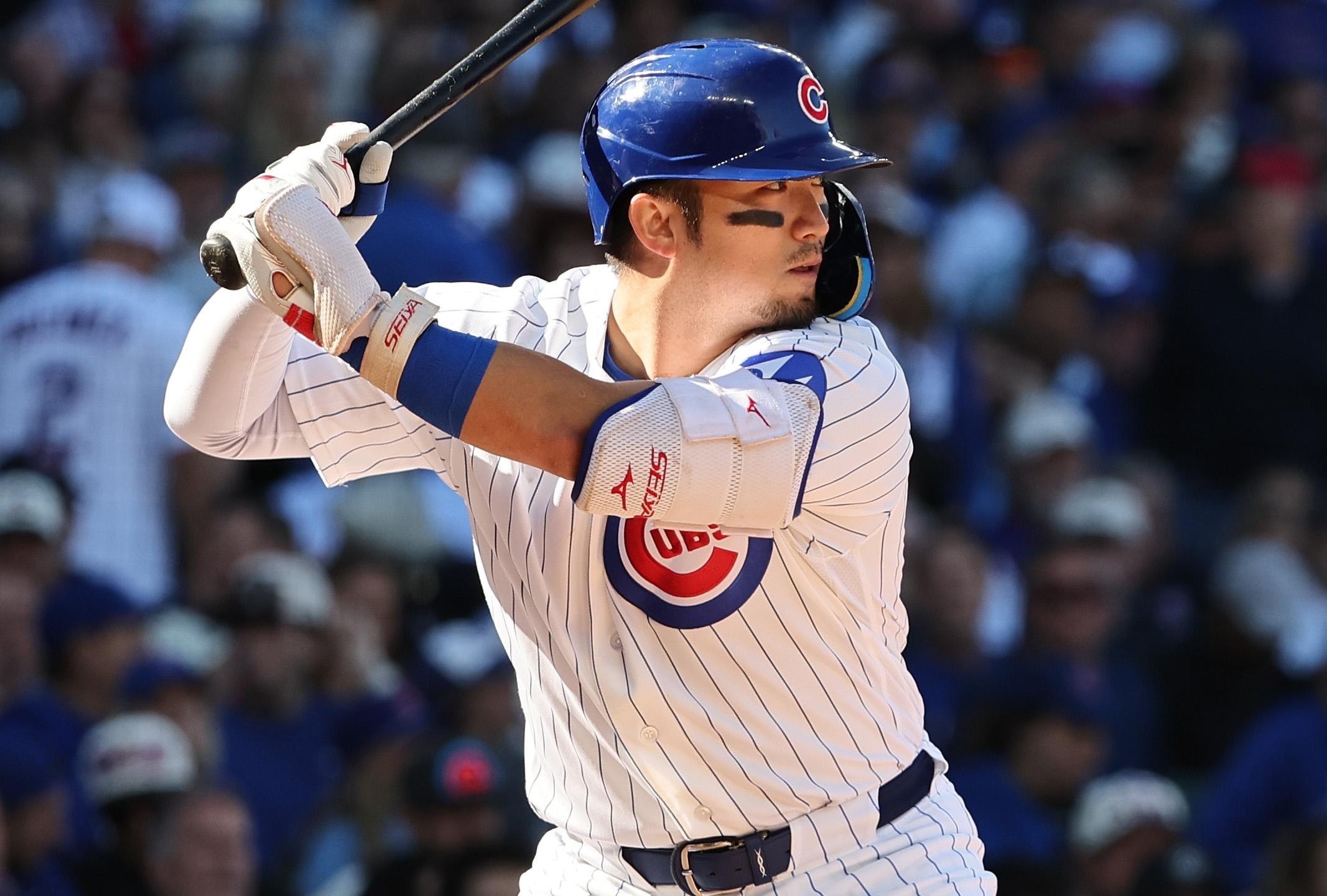
With Seiya Suzuki entering a new phase after five productive seasons in Chicago, Cubs president of baseball operations Jed Hoyer has suggested the club may be forced to make a hard choice rather than automatically keep the Japanese outfielder in place.
The Cubs’ offseason message about Seiya Suzuki is not, at least in public, a simple vow of long-term commitment. In a recently published look at the team and its roster priorities, Cubs president of baseball operations Jed Hoyer offered comments that, while not framed as a definitive decision, pointed to the possibility that the organization could choose not to keep the Japanese outfielder. The context is a familiar one for large-market clubs with spending constraints in mind: even when a player has clearly mattered on the field, roster and financial planning can tighten the margins.
Suzuki’s fit with the Cubs has been established over a five-season stretch on the North Side. He has been a regular fixture in the lineup, and the discussion around his future is being tied to what the Cubs still need to accomplish, not just what Suzuki has already delivered. The Yahoo Sports piece characterizes Suzuki as a star the Cubs cannot “afford not to keep,” but it also reports that Hoyer’s remarks carry a broader implication that the team might move on if the cost, term, or roster direction no longer aligns with the front office’s longer-term plan.
To understand why this matters, it helps to recognize what “moving on” would mean for the Cubs’ outfield structure. When a club talks about keeping a player like Suzuki, it is not only about maintaining production. It is also about stability in defensive assignments, lineup construction, and the balance between established core pieces and whatever new talent the Cubs decide to prioritize. If the Cubs were to shift away from Suzuki, the outfield picture would likely need to be reassembled around other bats and another daily defensive plan.
The key detail in the reporting is the distinction between gratitude for past contributions and the operational reality of the present. Hoyer’s comments, as described by Yahoo Sports, suggest that the Cubs are weighing whether continued commitment to Suzuki is the best path, rather than assuming continuity is automatic. That is a subtle but important report because it frames the decision as an organizational choice, not merely a question of market chatter or player preferences. It also implies the Cubs view their offseason as more than a series of small upgrades, but as a chance to decide what kind of roster they want to field going forward.
There is also a broader baseball theme under the surface. Teams increasingly treat productive players as assets with a specific role and a specific value in the present tense. Even a beloved starter can become a difficult fit if the club believes it can redirect resources to other positional needs or if it expects production to change with age, health, or role adjustments. The Yahoo Sports discussion does not present a final outcome, and it does not, in the information provided here, confirm any agreement or transaction, but it does highlight the tension that front offices manage every offseason: balancing loyalty and performance against long-term roster efficiency.
For Cubs fans, the next steps will be the real story. The most meaningful watch points are whether the Cubs publicly soften or sharpen their posture on Suzuki as the offseason progresses, and whether any additional front office comments clarify how they are prioritizing outfield talent. If the organization continues to frame the situation in terms of affordability and constraint, that would suggest the decision could come down to math and roster construction rather than only on-field history. If, instead, the Cubs move toward language that emphasizes continuity and plan stability, it would indicate they see Suzuki as a long-term anchor for the next roster cycle.
Why It Matters
- Suzuki is positioned as a core outfield piece in the current Cubs narrative, so any shift affects daily lineup balance and defensive planning.
- The front office’s willingness to consider moving on, despite past production, indicates how the Cubs are prioritizing roster efficiency and resource allocation.
- Outfield stability is often a foundation for clubhouse rhythm and lineup continuity, so the decision could shape the team’s identity for the next roster cycle.
Key Facts
- The Cubs president of baseball operations, Jed Hoyer, has made comments that have been interpreted as hinting at a potential decision about Seiya Suzuki’s future with the team.
- A Yahoo Sports piece describes the Cubs as unable to “afford not to keep” Suzuki, but also notes Hoyer’s remarks could imply the Cubs might move on.
- The discussion frames Suzuki as having provided five productive seasons in Chicago.
- The reporting offered here does not confirm an outcome, agreement, or transaction, but focuses on how the Cubs are thinking about roster planning.