
THE APEX TIMES
Cubs’ late double-play stretch lets bullpen seal it versus Brewers
In Milwaukee, a slick defensive sequence turned a tense moment into a celebration for Chicago as its relief group and extra-inning run support closed the door.
The Cubs turned a high-leverage moment into momentum in a game at Milwaukee, using sharp execution on the infield to break up a Brewers push and set the stage for a win that ultimately required extra innings. The decisive theme was control, not chaos, with Chicago’s pitching keeping the game within reach and its defense flipping the outcome when the pressure arrived.
Jordan Wicks was part of that defensive storyline, spinning out of his delivery to track a ground ball and make sure the play moved quickly. Third baseman Alex Bregman collected the ball cleanly and fired to second baseman Nico Hoerner, then Hoerner completed the sequence by relaying to first baseman Michael Busch to finish a double play. It was a classic “one-two” infield clean-up that turned what could have been extended at-bats into an instant reset for the inning.
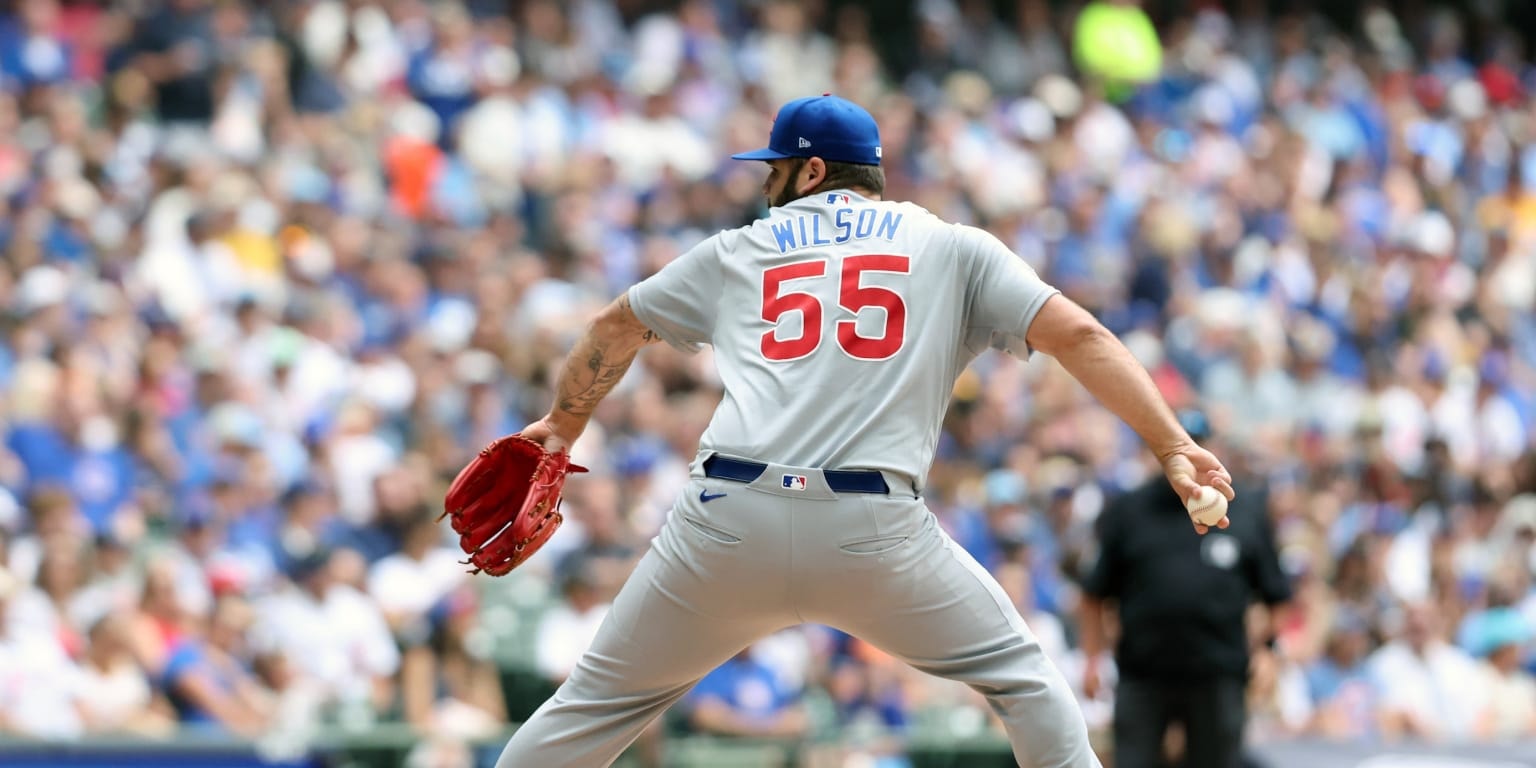
That double-play completed the Cubs’ shift from surviving to directing. After the infield converted, Chicago’s focus stayed on limiting damage, a job largely carried by the bullpen once the game stretched past regulation. The official team report highlighted Bryse Wilson’s relief appearance as scoreless, emphasizing the importance of leverage pitching in a contest where run production was at a premium.
Once Wilson stabilized the game, the Cubs could play with the kind of composure you want when extra innings flatten the margin for error. The report described the defensive finish and then the celebration that followed the double play, underscoring how quickly baseball can swing on one well-timed sequence, especially late when every out matters and baserunners are harder to strand.
With momentum stalled and time running, the Cubs’ next phase became about keeping the Brewers from stringing together enough balls in play to finally force a decisive break. In that setting, a double play does more than remove two runners, it also drains at-bats, reduces pitch counts, and changes how hitters approach the next plate appearance.
For fans and analysts, the immediate takeaway is that Chicago’s win did not depend on a single highlight at the plate. It hinged on the details, Wicks’ finish into the throw, Bregman’s quick transfer, Hoerner’s pivot, Busch’s completion at first, and then the bullpen’s ability to keep the scoreboard still enough for the Cubs to work their way to an extra-inning outcome. The next watch is whether the Cubs can repeat that blend of infield efficiency and late relief precision as the schedule moves deeper into the summer.
In the postseason race, games like this often become templates. The Cubs showed they can turn a momentary scramble into two outs, then rely on relief pitching to maintain a controllable game state. If Chicago continues to get that kind of defensive leverage and bullpen steadiness, it will give the lineup additional room to manufacture runs when innings feel stretched and the margin tightens.
Why It Matters
- Late-season baseball often tightens around bullpen quality, and this win highlighted scoreless leverage pitching.
- A double play in a tense situation can swing both the inning and the psychological tempo of extra innings.
- The Cubs’ infield coordination among Bregman, Hoerner, and Busch demonstrated how quickly run-prevention can be engineered.
- Chicago’s ability to keep the game controllable increased its chances to finish the longer contest in its favor.
Key Facts
- The game was played in Milwaukee.
- Jordan Wicks was involved in a defensive sequence that produced a double play.
- Alex Bregman fielded and fired to Nico Hoerner for the first out.
- Hoerner then relayed the ball to Michael Busch to complete the double play.
- The Cubs’ bullpen included Bryse Wilson, who was reported to have thrown a scoreless relief outing.
- The win was described as coming in extra innings, with celebration tied to the double-play moment.