
THE APEX TIMES
Cubs’ Late Rally Falls Short Again, and the Pitching Problem Stays Loud in 10-8 Loss to Reds
Seiya Suzuki’s “superhero” branding could not overcome a second Cubs defeat this season in which the offense reached eight runs, as late momentum against the Reds ended in another 10-8 loss.
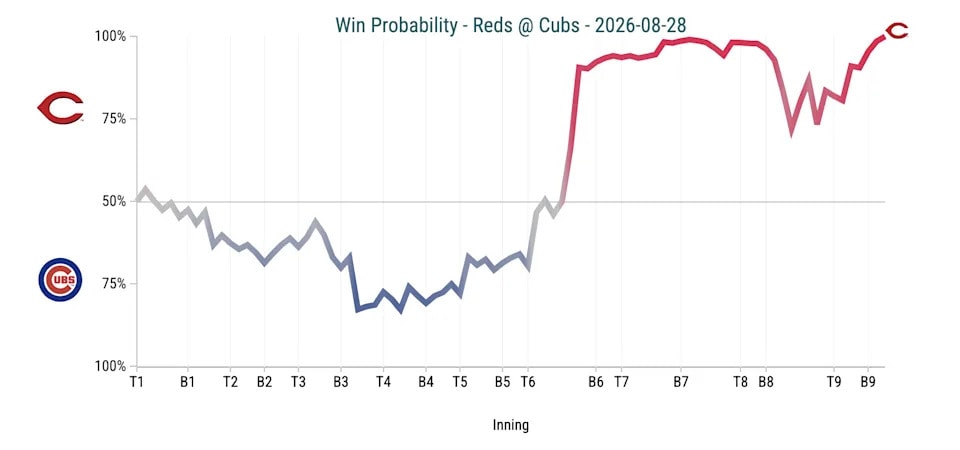
The Chicago Cubs had the kind of night that is supposed to end differently. In their 10-8 loss to the Cincinnati Reds, they mounted a late rally that suggested they might flip the outcome and turn a rough start into a statement win. Instead, the rally came up short, and the final margin left the same theme hanging over the clubhouse: when the Cubs score enough to win, the pitching does not always hold its end.
The game itself matters for one basic reason, regardless of who is batting when. The Cubs are demonstrating a pattern that has been difficult to solve. According to the reporting around the contest, this was only the second Cubs loss of the season in which Chicago scored eight runs. They have also lost three times in games where they reached seven runs, underscoring how often their offense produces enough runs to compete, even when it is not enough to protect leads or prevent damage in key innings.
That is why the “heroes and goats” framing lands. The Cubs can be the author of their own offense, but the Reds were still able to score 10. The late surge from Chicago may have made the ending sting less immediately, yet it also highlighted the same mismatch: the Cubs’ run production can keep them within striking distance, but their pitching has not consistently converted those opportunities into victories.
In the story’s framing, Seiya Suzuki is cast as the Superhero and the night as the proving ground. What the coverage makes clear is not a specific stat line, but the broader implication of Suzuki’s role in a Cubs offense that is described as strong enough to win games when it reaches a high-scoring threshold. The issue, then, is not whether Chicago can score. It is what happens after the runs pile up.
For the Cubs, pitching is often the difference between a good night at the plate and a chaotic one that drains confidence. When a team’s offense can reach seven or eight runs and still lose, it tends to create a sharper focus on innings management, bullpen reliability, and the ability to limit free bases and big hits when the game swings. This loss, with its late rally and its final score, fits that uncomfortable theme: the offense can be “just too good to lose,” but the pitching results say otherwise.
The Reds, meanwhile, benefited from their ability to reach 10 despite the Cubs’ persistence. That kind of scoring profile suggests they did not need perfection to win, only enough runs at the right times. When the home team can reach double figures, it changes the pressure on the Cubs’ late-game sequence, even if Chicago can make it look possible with a surge late.
What to watch next is straightforward. If the Cubs continue to lose games where they score seven or eight, the answers are likely to come from how they pitch with the lead, not from how they hit. The immediate takeaway from the Reds game is that Chicago’s offense can move the scoreboard, but the margin for error is shrinking, and the pitching staff is going to be judged by how often those high-scoring nights turn into wins.
Why It Matters
- A club that can score seven or eight and still lose repeatedly is likely to face pressure to make pitching-focused changes rather than retooling offense.
- Late-game rallies can mask problems in earlier innings, but repeated losses with strong run totals keep the pitching issue at the center.
- For the Cubs, the path to consistent winning runs through limiting the damage that turns an otherwise winnable game into a double-digit opponent total.
- For the Reds, scoring 10 against a Cubs offense that can reach seven and eight reinforces that they can put enough runs on the board to withstand late surges.
Key Facts
- The Cubs lost 10-8 to the Reds, despite a late Cubs rally that came up short.
- This was reported as only the second Cubs loss of the season in which they scored eight runs.
- The Cubs have lost three times when they scored seven runs, according to the coverage.
- The reporting ties the results to pitching struggles at times, even when the offense produces multiple runs.