
THE APEX TIMES
Cubs’ late-season week highlights Pete Crow-Armstrong, Seiya Suzuki, and Clay Holmes as Chicago stumbles in key series
A stretch that called for momentum instead produced losses in two of three games against the Diamondbacks and Reds, putting renewed pressure on the Cubs to find consistency from their lineup and bullpen.
The Chicago Cubs entered a pivotal week with the kind of schedule that can define a late-season narrative, and instead left it with a problem they could not afford to carry forward. Over the span discussed in the team’s recent performance review, the Cubs lost two of three games against the Arizona Diamondbacks and Cincinnati Reds. It was a reminder that in August, when playoff positioning margins tighten, small swings in execution can decide entire series.
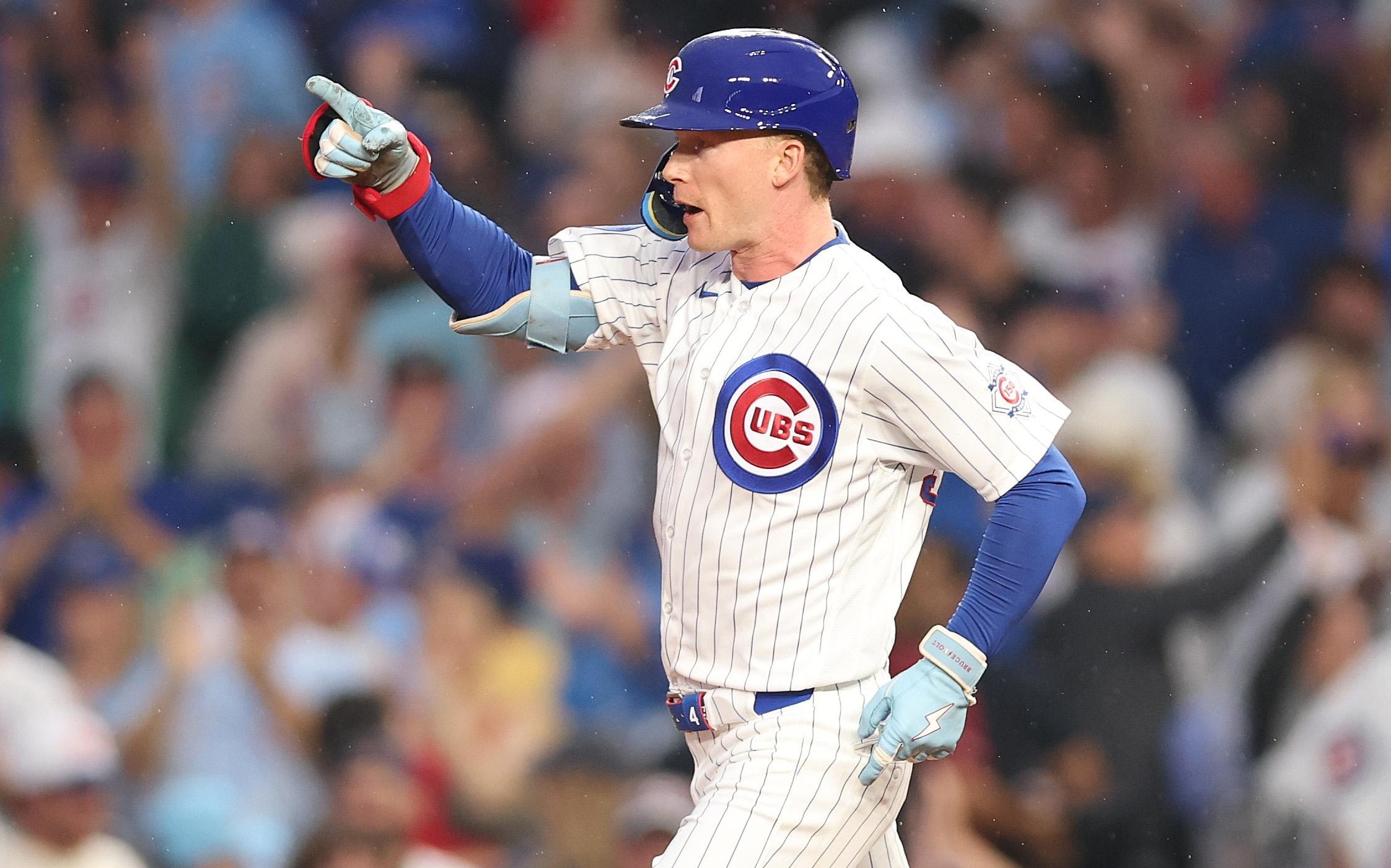
Within that week’s swings, the Cubs’ internal grading focused on three names: Pete Crow-Armstrong, Seiya Suzuki, and Clay Holmes. The common thread was role clarity. Crow-Armstrong, an outfielder with defensive versatility and speed, represents the Cubs when they want to sustain pressure on the basepaths and improve their ability to manufacture runs. Suzuki, another everyday bat in the outfield, is central to the team’s run production when games settle into late counts and leverage moments. Holmes, as the team’s high-leverage relief option, is the final link the Cubs rely on to convert narrow leads or limit damage when starting pitching and late-inning contact do not go cleanly.
The review framed the week as a study in how easily momentum can slip. For teams trying to separate themselves during the final stretch of a long season, a series loss is not only a matter of standings. It also changes the rhythm of how managers use their most important players. When games turn, the bullpen gets asked for more, the lineup order can tighten, and the margin for lineup-wide plate discipline errors becomes smaller. In that sense, the Cubs’ two-of-three results were not just outcomes, but workload and preparation indicates for what comes next.
Holmes’ inclusion in the discussion underlines why this matters. Even without detailing specific inning-by-inning results, a late-season spotlight on the bullpen typically reflects how the team is being judged in the narrow windows where games are decided. Closers and setup arms often become the public face of late-inning performance because they pitch when ties and one-run games are most common. If that segment of the roster is inconsistent, the consequences ripple backwards, forcing the Cubs to manage around each deficit with fewer options later in games.
For Crow-Armstrong and Suzuki, the evaluation speaks to the Cubs’ broader need to get reliable offense from more than one source. In a week like the one described, where the Cubs needed to take series and did not, the offense cannot rely solely on one cluster of events. Instead, the lineup has to create pressure early, extend at-bats in the middle innings, and cash in during leverage situations. When the focus falls on two everyday outfielders, it often reflects the belief that the team’s game plan and run profile depend on their ability to turn contacts and plate appearances into sustained threats rather than brief bursts.
What to watch next is whether the Cubs can convert this kind of performance review into adjustments that show up quickly on the field. That means consistency from their high-leverage bullpen role, more dependable run creation from the outfield corner and impact positions, and fewer innings where the team looks caught between opportunities. With late-season baseball, the test is rarely one game. It is whether a team can correct the habits exposed in a single week and carry the improvement into the following series.
Why It Matters
- Series results in late August can quickly narrow the gap between teams competing for postseason positions.
- When a bullpen arm like Clay Holmes is highlighted, it indicates the thin margin for late-inning execution.
- Spotlighting everyday outfielders like Crow-Armstrong and Suzuki points to the need for consistent offense from multiple spots in the lineup.
- A week that goes poorly can also force more bullpen usage, affecting the team’s flexibility in subsequent games.
Key Facts
- A recent Cubs performance roundup focused on Pete Crow-Armstrong, Seiya Suzuki, and Clay Holmes.
- The Cubs lost two of three games in a stretch that included series against the Diamondbacks and the Reds.
- The review framed the week as one where Chicago needed to take series, but momentum did not swing its way.
- Holmes is featured as part of the team’s late-game pitching and leverage options.