
THE APEX TIMES
Cubs make a low-profile pitching bet, acquiring David Peterson from the Mets for Cole Mathis
Chicago adds a left-handed starter-leaning arm as it tries to steady a banged-up pitching staff, trading with New York for David Peterson and sending a minor-league prospect, Cole Mathis, the other way.
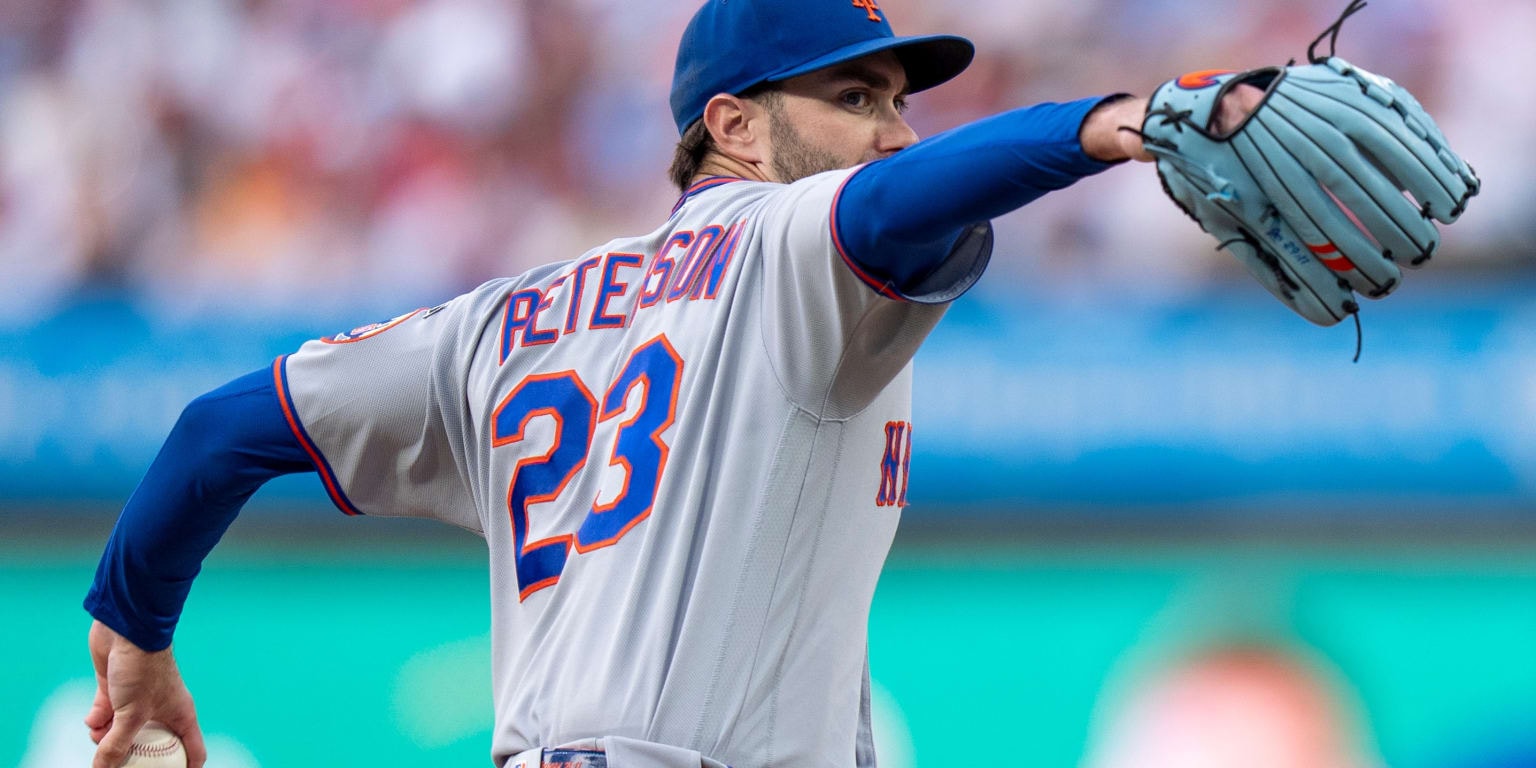
On Thursday, the Chicago Cubs acquired left-handed pitcher David Peterson from the New York Mets in exchange for Minor League prospect Cole Mathis, a trade shaped more by practical roster needs than by headline flash. The move comes at a point in the season when contenders and pretenders alike look for cost-controlled ways to patch holes, and the Cubs’ immediate hole has been their pitching depth.
The Cubs report framing Peterson’s impact describes the organization’s pitching situation in stark terms: the Cubs are in “dire straits” with a staff that has been “banged-up.” That context matters because midseason additions are often evaluated less on future potential than on whether a player can help the team survive the next stretch of innings without forcing everyone else into an even tighter workload.
Peterson, specifically, is the kind of acquisition that fits the trade market for a team that is trying to function while dealing with uncertainty. The Cubs’ piece indicates that expectations should be calibrated, describing the addition as intriguing but not likely to be flashy. In other words, the emphasis is on incremental improvement, stabilizing starts, and offering a consistent option rather than transforming the rotation overnight.
The article’s subtitle concept, “3 key reasons,” suggests the Cubs plan to view Peterson’s fit through multiple lenses, rather than relying on a single trait. Without the need for any one dramatic storyline, teams typically target improvements that can show up in repeatable ways, such as how a pitcher holds up across outings, how matchups can be managed, and how the staff can be organized when injuries and fatigue have already altered plans.
Cole Mathis, the prospect moving to the Mets, underscores the trade’s structure. The Cubs are parting with a minor-league piece to solve a major-league problem, while New York takes the long look, banking on development that can pay off later. That balance is common for deadline-era deals: the team pushing for wins in the present contributes organizational depth, and the team building for the future collects the kind of internal upside that can mature into cost-controlled talent.
Looking ahead for Chicago, the practical question is how Peterson’s arrival changes the way the staff can be arranged. When a rotation is stressed, the day-to-day challenge becomes not just who starts, but how innings are distributed and how quickly the bullpen can be protected. If Peterson gives the Cubs enough stability, the downstream benefit can be quieter than a headline but still significant: fewer bullpen strain moments, more manageable follow-up outings, and more predictable decisions for the manager.
For Peterson, the transition to Wrigley Field and a new pitching environment adds its own layer of evaluation. Even when a pitcher is “not that” flashy by trade standards, the work is in translating what he can do into consistent results in a new clubhouse, a new plan, and a new role within a rotation being reshaped by circumstance. The first indicator will not be one outing, but whether the Cubs can keep the staff functioning like a coherent unit as the season continues.
Bottom line: this is the kind of move teams make when they need help now, but cannot afford to gamble on the rarest outcomes. The Cubs are using an exchange of a Mets left-hander for a prospect to chase stability, and the rest of the season will show whether Peterson can provide the steadying effect Chicago is seeking. If he does, it will likely show up in the team’s ability to manage pitching across stretches, not in a single, highlight-reel moment.
Why It Matters
- A stressed pitching staff reshapes everything, from bullpen usage to how the rotation can be scheduled, so even a modest improvement can have ripple effects.
- Trades that prioritize stability can determine whether a team maintains roster flexibility during a long season.
- Peterson’s fit with Chicago is a test of how well a midseason acquisition can translate to repeatable contributions.
- The Cubs-Mets trade also reflects two different timelines, with Chicago solving a present need and New York collecting prospect value.
Key Facts
- The Cubs acquired left-handed pitcher David Peterson from the Mets in a trade announced Thursday.
- Chicago sent Minor League prospect Cole Mathis to New York as part of the deal.
- The transaction is described by as an addition meant to address a banged-up Cubs pitching staff.
- The Cubs report characterizes the trade as intriguing but not “flashy,” implying tempered expectations for immediate impact.