
THE APEX TIMES
Chicago makes a roster reshuffle behind the plate and at the plate, sending Moisés Ballesteros to Triple-A Iowa while preparing to recall Justin Dean in his place.
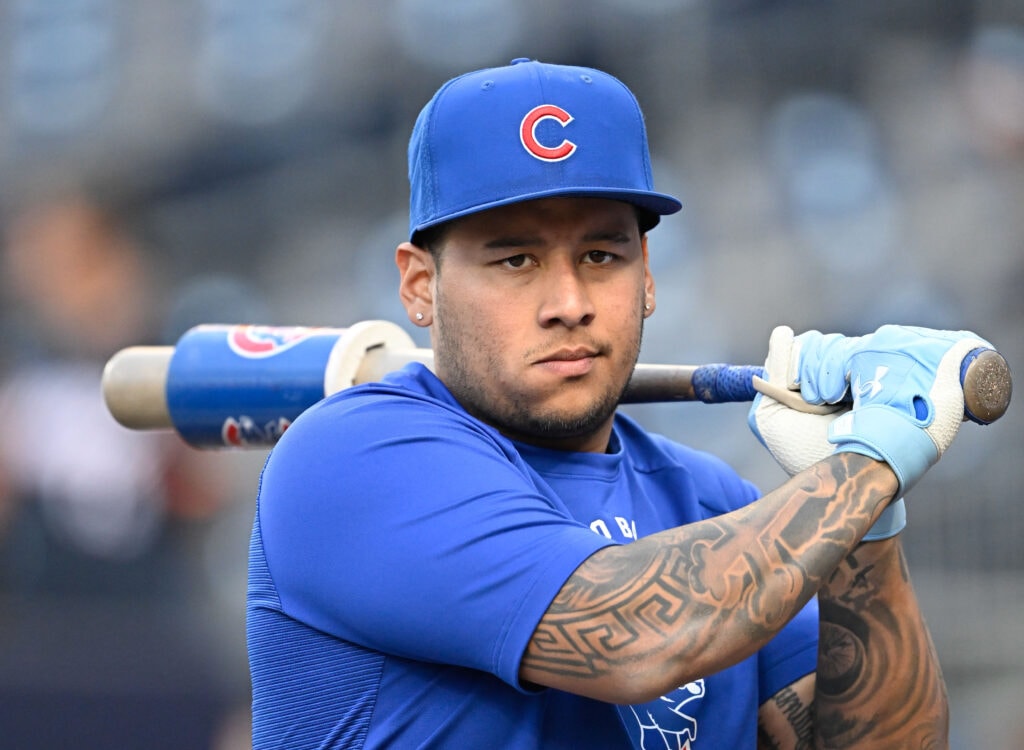
The Chicago Cubs have optioned Moisés Ballesteros to Triple-A Iowa, a move that reflects how quickly roster roles can change at the major-league level. The demotion, first reported from the Cubs’ transaction activity, clears space for a corresponding recall, with Justin Dean expected to come back to the big leagues. For Ballesteros, it is a reset after a stretch that the Cubs have treated as insufficient production, even though the organization valued his overall promise when he reached the majors.
Ballesteros, 23, has been used as a catcher and designated hitter in Chicago. That type of flexibility is often the path for young hitters and catchers to earn staying power, but it also raises the margin for error. When a player is asked to contribute in more than one way, the team’s evaluation tightens if the bat does not carry its weight. MLB Trade Rumors reported that the Cubs will send Ballesteros down “today,” tying the change directly to the club’s active roster management.
The corresponding reinforcement is Dean, an outfielder whom the Cubs will recall. MLB Trade Rumors’ reporting indicates the swap is straightforward in timing and intent: Ballesteros comes off the 26-man roster, and Dean replaces him. That means the Cubs are not simply shifting one player’s role, they are making a clear personnel trade designed to adjust both the major-league lineup and the organization’s balance with live bodies.
Ballesteros entered the majors with strong prospect credibility. MLB Trade Rumors described him as a consensus top prospect before arriving in Chicago, which provides important context for why the option itself does not automatically report a long-term departure from the organization’s plans. In many cases, options function as a corrective tool, giving a player a chance to work against Triple-A pitching and re-establish the offensive and/or game-calling rhythms that the parent club is looking for.
The Cubs’ broader challenge is that they are trying to build a major-league roster around consistency. Midseason options are rarely about one single plate appearance. They are about trends over multiple weeks, the matchups a team expects to face, and how quickly a young player can translate his tools into repeatable results. If Ballesteros can regain form at Iowa, the Cubs can potentially bring him back later as either a catcher option or a bat at designated hitter, depending on how the club’s weekly needs evolve.
What to watch next is whether Dean can do enough quickly to justify the recall and whether the Cubs treat Ballesteros’ time in Triple-A as a short course correction or something more extended. Iowa is where the organization will be able to monitor both offensive output and overall readiness, particularly if Chicago intends to return Ballesteros to a meaningful role after the adjustment period. For now, the move changes the composition of the Cubs’ lineup and bench structure, and it underscores how quickly opportunities can narrow when performance does not stabilize.