
THE APEX TIMES
Cubs reclaim Top 5 standing in MLB’s post-Trade Deadline power rankings
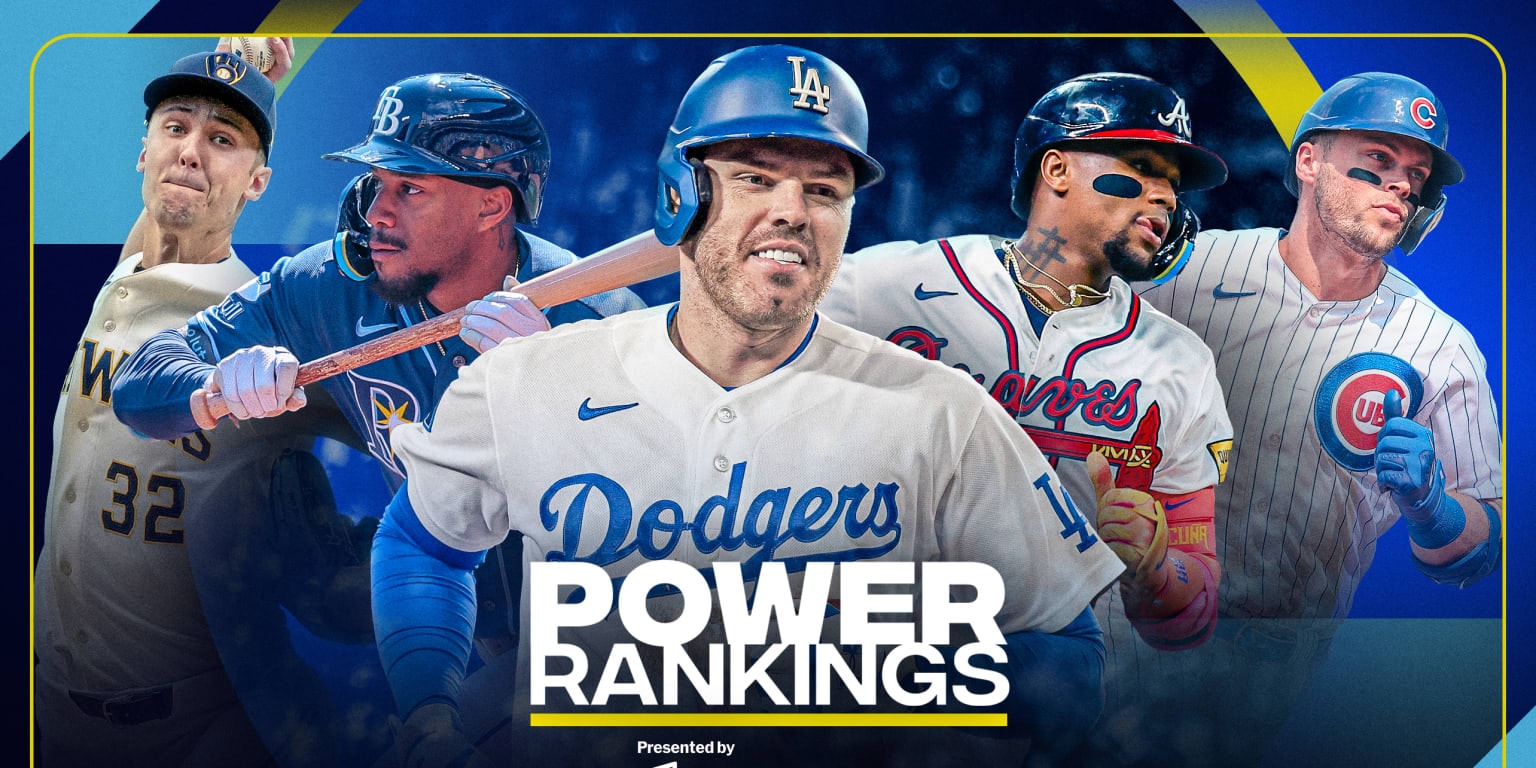
With the 2026 Trade Deadline now behind them, Chicago’s direction has earned it a return to the league’s upper tier, according to MLB’s first power-rank update of the stretch run.
The Trade Deadline is over, and the standings of contention, at least in MLB’s power-rank framework, have shifted accordingly. In its first post-Deadline look, MLB’s Cubs-focused coverage placed the Cubs back in the Top 5, indicating that the organization’s late-July roster reshaping is being viewed as meaningful going into August and beyond.
That return to the upper group matters because power rankings are meant to capture more than raw results. They are typically a blend of current performance, upcoming matchup risk, lineup and pitching balance, and the degree to which a team’s roster now fits its postseason path. In practical terms, a Top 5 placement is a shorthand for “real contender” rather than “wait and see,” even as every club still has a long list of games left to prove it.
The timing also sets context for the Cubs’ stretch run. Once the Deadline passes, teams lose the ability to make in-season corrective moves, so any argument for promotion from “in the mix” to “on the verge” rests on how the revised roster performs immediately. MLB’s piece frames this period as a reset point, encouraging readers to take stock of what roster upheaval means once the playoff calendar starts to feel close.
For Chicago, the central takeaway from MLB’s ranking update is that the Cubs are being treated as a top-level option across the league, not merely a team approaching its ceiling. Power rankings of this type often track how front-office decisions translate on the field, and being back in the Top 5 implies the Cubs’ post-Deadline identity is more aligned with October than it was before the roster changes.
Still, there is a caveat with any power-rank snapshot: it is a forecast tool, not a standings document. Baseball outcomes hinge on variables that can swing quickly, including health and day-to-day performance. The Cubs can control process, but they cannot fully control the volatility that inevitably appears in late-season baseball.
The next thing to watch is whether Chicago can sustain the performance level that a Top 5 projection implies, particularly in games that carry heavier playoff weight such as matchups against other clubs near the top of their divisions and wild-card races. If the Cubs’ results match the expectations created by this ranking, MLB’s post-Deadline evaluation will look prescient. If not, the question for the remainder of the season becomes whether the team’s ceiling was oversold or whether the rankings simply need time to catch up to on-field reality.
Why It Matters
- A Top 5 placement reinforces that the Cubs are being evaluated as legitimate October contenders, not just playoff participants.
- Because the Deadline has passed, the team’s revised roster now must prove itself on the field without additional in-season corrections.
- Power rankings can shape public expectations and influence how fans and analysts interpret the stretch run.
- Sustaining Top 5-grade performance in August can affect how quickly the Cubs are viewed as favorites for their path to the postseason.
Key Facts
- MLB published a post-Trade Deadline power rankings update focused on where teams stand heading into the stretch run.
- The Cubs were placed back in the Top 5 in that MLB power-rank update.
- The publication frames the post-Deadline period as a reset point for evaluating roster upheaval and its impact.
- The ranking is presented as an early look after the Trade Deadline, not a season-ending assessment.