
THE APEX TIMES
Cubs stretch scoring streak to a franchise high, scoring 30 straight runs
Chicago tied a West Coast trip milestone to its 150th-anniversary campaign, building a 30-run stretch without allowing an opponent to cross the plate after its scoring began.
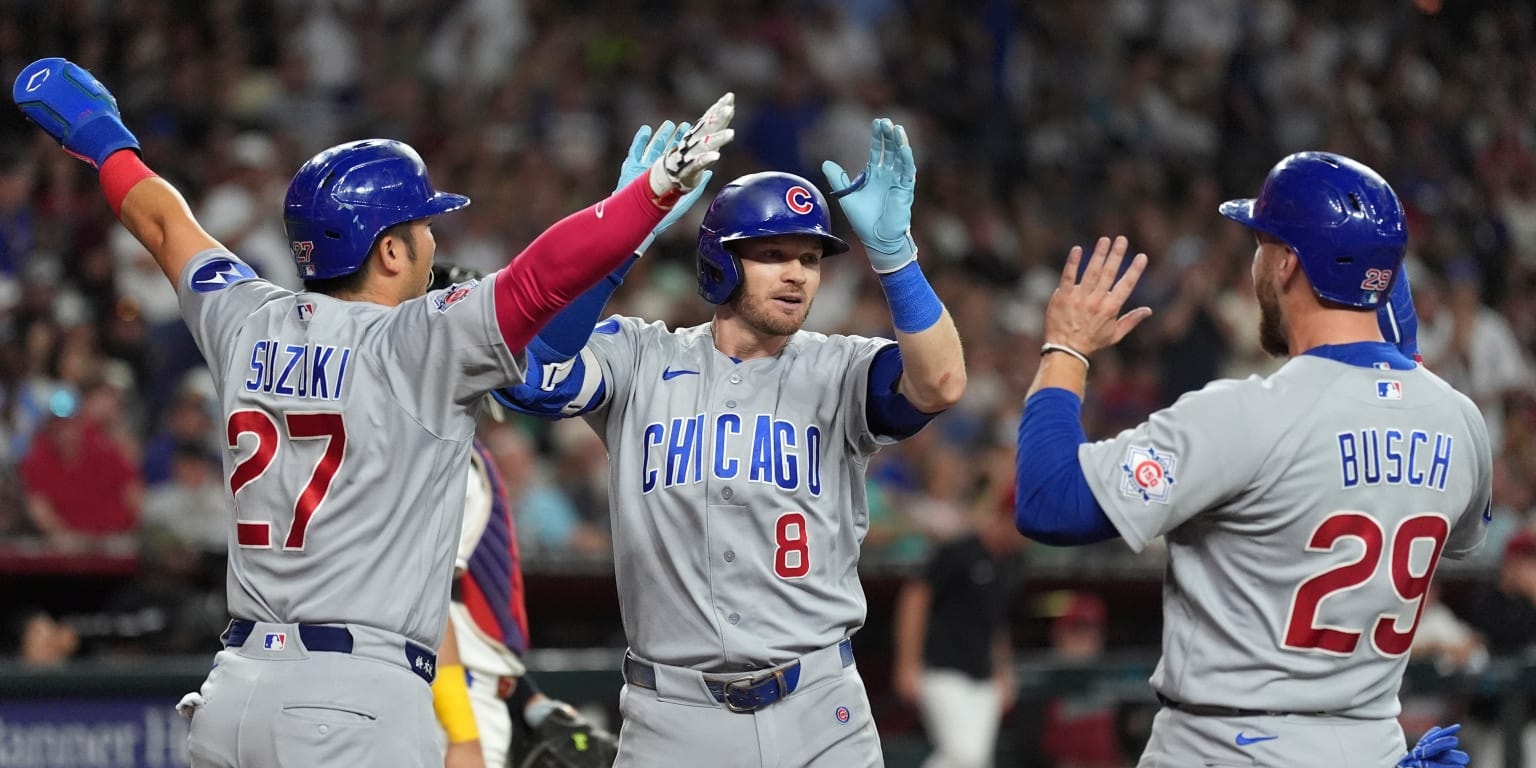
The Chicago Cubs posted a franchise record on Tuesday, completing a West Coast stretch by scoring 30 consecutive runs without allowing a run in return once their streak began. The sequence is notable in any season, but it carries extra weight for a club marking its 150th anniversary in 2026. The immediate catalyst was a Michael Busch RBI single in the sixth inning, a moment that helped push the offense further while the game state remained firmly in Chicago’s control.
According to MLB’s report, the Cubs had scored 30 consecutive runs since they last allowed a run, a mark that stands as the most such consecutive scoring by a Cubs team in franchise history. The record is tied to a simple but demanding combination: continuing to manufacture runs inning after inning while also keeping the opponent off the board during the same overall stretch.
The Cubs’ ability to turn sustained pitching and defense into immediate scoring has become a defining feature of late-game baseball. For the record to stick, Chicago needed offense that was not merely “big innings” but repeated production across innings. In the sixth inning on Tuesday, Busch delivered that kind of small, direct damage, the type of RBI hit that can be enough by itself and even more important when the objective is to keep a run total climbing.
For Cubs fans, the timing also matters. A 150-year anniversary is a natural backdrop for a franchise milestone, and the team’s on-field identity in 2026 has leaned heavily toward statement performances, whether it is offensive bursts or defensive stops that shorten the opponent’s chances. This streak, because it is both a scoring record and linked to a run-prevention window, reads less like a one-off swing and more like a stretch of control.
From a baseball operations perspective, streaks like this also reflect the depth of everyday execution. A club can reach a franchise run record through a single high-scoring night, but a 30-run run of production generally requires contributions across multiple at-bats and several different hitters. It also requires that the pitching staff repeatedly do enough to preserve the atmosphere of the game, so that even when Chicago is not scoring in every inning, it is never forced into emergency mode.
While records are always rooted in statistics, they also become a reference point for how teams view their own potential. Chicago now has a clear piece of franchise history to point to as it evaluates what kind of offense it has built, not just for one game but for a repeatable brand of run creation. The key question going forward is whether the Cubs can translate this level of consecutive-run production into the rest of the season, especially against opponents that will look to disrupt rhythm and refuse easy baserunners.
If there is a caution in celebrating streaks, it is that baseball rarely offers identical conditions twice in a row. Opposing lineups adjust, pitchers evolve their approach, and game plans change quickly. Still, the Cubs have provided a concrete, league-recognized benchmark, and Busch’s RBI in the sixth inning is a reminder that even within dominant stretches, single-base hits can be the hinge that turns “good” into “historic.” What to watch next is whether Chicago can build additional multi-inning scoring surges while maintaining the defensive standard that made the 30-run window possible.
For now, Tuesday’s record remains a standout chapter in a long Cubs history. The franchise has seen many great offenses, but the combination of consecutive scoring and the context of keeping the opponent from scoring during that period makes this one distinct, and it is already part of the Cubs’ 150th-anniversary story.
Why It Matters
- Franchise records shape how a team is remembered, and the Cubs now own a benchmark for consecutive run scoring in club history.
- A 30-run stretch tied to a run-prevention window suggests balanced execution, not just a single offensive explosion.
- For a team in an anniversary year, the milestone can become a narrative anchor for player development and team identity.
- Sustained offense can influence how opponents plan their pitching, potentially creating better matchup opportunities in later games.
- The streak provides a measurable standard for what the Cubs must repeat to stay competitive over a longer playoff-relevant runway.
Key Facts
- The Cubs set a franchise record by scoring 30 consecutive runs during their West Coast trip sequence.
- MLB reported the streak began after Chicago last allowed a run.
- Michael Busch drove in a run with an RBI single in the sixth inning during Tuesday’s game as part of the overall streak.
- The milestone is recognized as the most consecutive runs scored in Cubs franchise history.
- The Cubs are celebrating their 150th anniversary in 2026, which adds context to the franchise milestone.