
THE APEX TIMES
D.C. voters head to the polls Tuesday in mayoral primary expected to shape the fall campaign
A high-stakes Democratic mayoral primary in the District of Columbia will determine the candidate most likely to face the Republican nominee in November, as President Donald Trump’s administration prepares for a second-term focus on city-related issues.
Voters in Washington, D.C., are set to vote Tuesday in a mayoral primary that election officials and political observers said is pivotal for determining who will carry the city’s governing agenda into the November general election.
The NPR report said the winner of Tuesday’s primary is expected to be positioned to campaign in November, when the District’s mayoral race will be decided among major-party nominees under the city’s election structure.
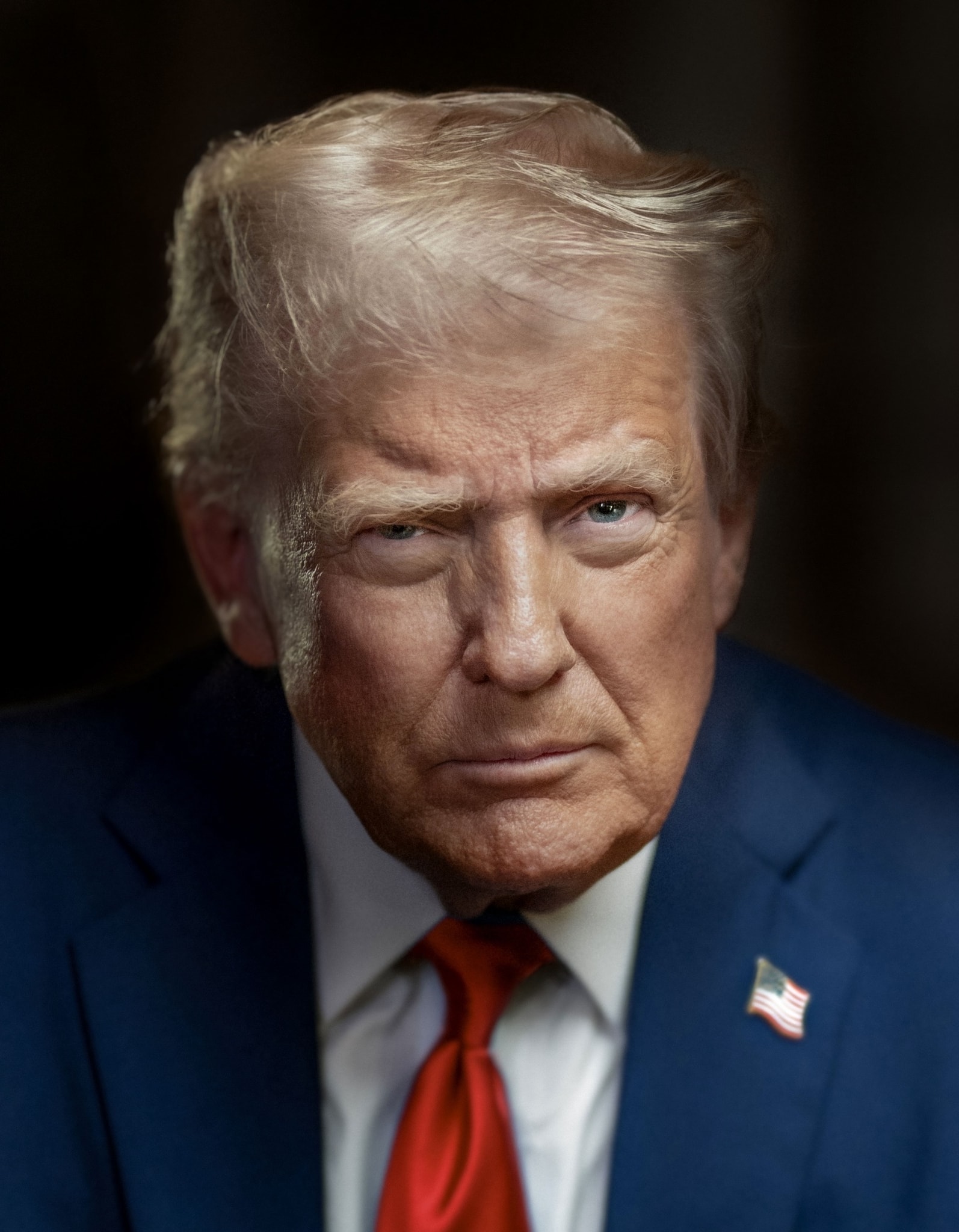
The same report tied the fall campaign’s context to President Donald Trump’s attention to the District, noting that the next mayor would take office amid heightened federal interest in D.C. matters during the Trump administration’s second term.
While the primary is formally a local election, the NPR account described it as influenced by national dynamics, including how federal priorities and enforcement approaches can affect budgeting, oversight, and day-to-day operations for agencies and services located in the District.
D.C. mayoral governance centers on city agencies responsible for public safety, local courts and enforcement cooperation, housing and development, and administration of municipal programs, with the mayor also setting policy for how D.C. coordinates with federal entities when federal rules or funding requirements intersect with local programs.
Tuesday’s primary outcome will determine which candidate advances, and that winner will be the principal contender in the November election to lead the District government, a role that must manage both local policy choices and compliance with applicable federal requirements.
Why It Matters
- The primary outcome will decide who becomes the main candidate for November, shaping the near-term direction of District government.
- Federal administration priorities during President Donald Trump’s second term could affect how local agencies operate and coordinate with federal entities.
- The timing of the mayoral transition will determine when the next administration begins implementing policy choices tied to city budgeting and public services.
- Because D.C. governance involves both local authority and federal constraints, the primary winner’s ability to manage that relationship can affect implementation of public safety and services policy.
Key Facts
- Washington, D.C. voters vote Tuesday in a mayoral primary, according to NPR.
- NPR reported that the winner will be favored in the November mayoral matchup.
- NPR said the next mayor would have to navigate President Donald Trump’s focus on D.C. affairs.
- The primary is a local election whose winner will determine the candidate carrying the election into November.