
THE APEX TIMES
Darren Till questions Daniel Cormier’s commentary take on Usman Nurmagomedov’s cage jump at UFC Shanghai
The former title challenger says his view as a fighter is different from his view as a broadcaster, after Daniel Cormier defended a dramatic moment during Usman Nurmagomedov’s walkout.
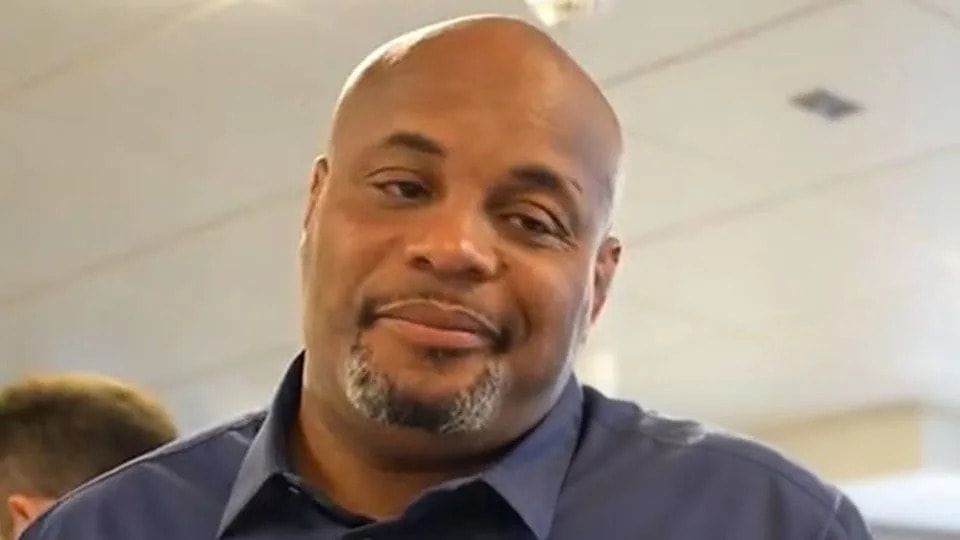
Daniel Cormier came under fire from Darren Till after Cormier defended Usman Nurmagomedov’s cage jump during UFC Shanghai, a moment that drew debate from fighters and fans about what should be tolerated inside the promotion’s production-heavy environment. Till, a former UFC title challenger and longtime UFC broadcaster, said his comfort level with the specific behavior is not the same when he is watching as a commentator rather than as an active fighter.
Cormier is a UFC Hall of Fame figure and a respected analyst on the microphone, but Till argued that Cormier’s decision to defend the act exposed a disconnect between historical fighter standards and modern broadcast interpretation. The criticism was framed sharply in social-media style language, with Till labeling Cormier a “potato head” in reference to Cormier’s defense of Nurmagomedov’s actions.
Till’s frustration also reflects a broader, recurring UFC question: when athletes make spontaneous choices that push the boundaries of tradition, how should broadcast partners respond. In UFC Shanghai’s case, the controversy centered on a cage jump by Nurmagomedov, a high-visibility act that is typically associated with hype, but can also be perceived as a risk to everyone involved, including opponents and event personnel.
The dynamic is particularly sensitive because Till is not just a guest voice. He has lived the stakes of weight cutting, walkout routines, and rule-based competition from the inside. In the same conversation, the Yahoo Sports report characterized Till’s reaction as coming from that fighter perspective first, while still acknowledging Cormier’s role as a commentator who must cover moments in real time.
For UFC coverage, these kinds of exchanges land in a crowded ecosystem of instant clips and reaction threads. They also matter because UFC analysis increasingly shapes how audiences interpret rule enforcement, professionalism, and the thin line between showmanship and actions that might be considered dangerous or distracting. When a prominent former champion defends an act and another prominent former contender attacks the defense, it becomes less about one moment and more about standards.
It is also a reminder that “defense” in combat sports is often about more than the immediate scene. Even when the act does not change the outcome of a bout, it can affect the tone of the broadcast and the way future athletes gauge what audiences and officials will tolerate. In the immediate term, fans will continue to replay the moment and debate what is respectful to the sport’s competitive structure versus what is acceptable entertainment.
What to watch next is whether the debate stays confined to commentary criticism or expands into the UFC’s on-air and official messaging about athlete conduct. If more prominent fighters weigh in, the exchange could influence how the promotion frames similar moments in future events, including whether analysts more consistently condemn risky theatrics or defend them as part of the modern fan experience.
Why It Matters
- It highlights a widening debate over professionalism and safety versus spectacle in the UFC’s fan-first presentation.
- Commentary standards shape how audiences interpret athlete conduct, even when a controversy is not tied to the final result of a fight.
- Public disagreements among high-profile UFC figures can affect the sport’s perceived norms going into future events.
Sources
Key Facts
- Daniel Cormier defended Usman Nurmagomedov’s cage jump during UFC Shanghai.
- Darren Till, a former UFC title challenger and UFC commentator, criticized Cormier’s defense.
- Till’s remarks drew attention by using the phrase “potato head” toward Cormier.
- The disagreement centered on how a fighter versus a commentator views the same in-cage moment.