
THE APEX TIMES
David Walker aims to plug into the Buccaneers’ pass rush “four equals one” mindset
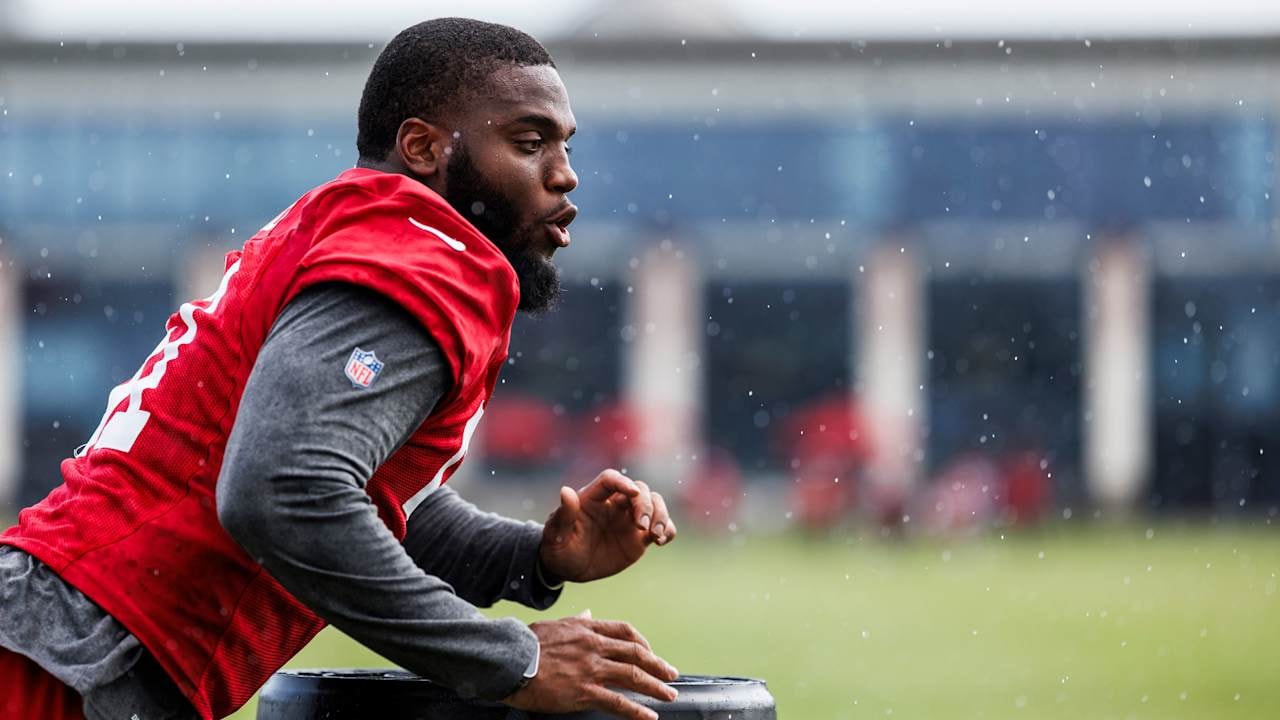
Tampa Bay’s defensive front is built to create multiple pressure looks, and edge David Walker is working toward a role in that unit after a knee injury cost him early development.
Tampa Bay’s defensive front is leaning into a simple idea with complicated execution: four linemen and edge rushers, one shared mission. In an offseason feature from the Buccaneers, edge David Walker framed his goal as becoming part of that impact group, emphasizing how the unit’s philosophy is designed so the whole rush works together rather than relying on a single player to win every snap.
The reason the Buccaneers can talk about “four equals one” with confidence is the production that followed their pass rush approaches in 2025. According to the team, Tampa Bay totaled 37 sacks, its lowest full-season total since 2018. That number alone suggests the rush did not overwhelm every matchup, but it also highlights how the organization measures itself against recent internal benchmarks, not just league reputation.
The more telling part of the team’s plan is how often it forced the quarterback into uncomfortable situations. The Buccaneers blitzed on 35.0% of their pass rush snaps in 2025, which the team noted was the third-highest blitz rate in the NFL. At the same time, Tampa Bay’s share of pressures that converted into sacks was 14.7%, ranked as the third-lowest mark in the league. In other words, the system created frequent contact and disruption, but finishing those disruptions into sacks was an area of variance the team clearly recognizes.
That context matters for Walker because his development is tied to what the Buccaneers ask their rush group to do. If the base defense is producing pressures through both rush lanes and extra defenders, then a player joining the group must fit into the timing, gap responsibilities, and decision-making that determine whether the defense swarms the quarterback or merely gets hands on the ballcarrier. The team’s emphasis on unity suggests Walker is being evaluated not only on flashes, but on whether he can consistently align with the group’s structure.
Walker’s path also includes the kind of setback that can reshape a rookie timeline. The Buccaneers reported that he was forced to miss his rookie season after sustaining a knee injury during training camp. Missing that early window affects everything from learning the speed of NFL pass protections to building rep-to-rep conditioning and build-to-build chemistry. Now, his offseason focus is on returning to full participation and earning the trust that comes from dependable execution.
The Buccaneers’ public framing implies a defensive front that expects collective output. A blitz-heavy identity can be risky if it produces pressures without outcomes, but it also can be powerful if the unit’s roles are clear and the rush can capitalize before the quarterback resets. With Tampa Bay acknowledging both high blitz frequency and a comparatively low sack conversion rate, the next step becomes consistency, not just aggression.
For Walker and the defensive front, the practical watch item is how the unit turns pressure volume into more frequent sack results over the course of training camp and the preseason. The Buccaneers have given a measurable snapshot of 2025. The question now is whether the same “four equals one” structure produces a higher percentage of finishing plays once the rush group is fully synchronized again and Walker is available to contribute to the edges of the plan.
If Walker can translate his offseason work into early-game impact and remain reliable in the scheme’s timing, the Buccaneers’ front could take another step from disruptive to consistently punishing. Tampa Bay’s emphasis on shared responsibility suggests he is not expected to be a lone solution. Instead, he is being positioned as another piece of a coordinated pass rush that aims to overwhelm opponents through combined angles, leverage, and relentless participation.
Why It Matters
- A blitz-forward identity can reshape how offenses plan protection, especially if a team can turn pressure into sacks at a higher clip.
- Walker’s return matters for depth and for how the Buccaneers’ front can sustain its pressure patterns without losing scheme clarity.
- Tampa Bay’s 2025 sack conversion numbers show the defense can create disruption, but also that finishing has been inconsistent, setting an agenda for improvement.
- The “four equals one” approach underscores a team-building method that can make pass rush production less dependent on one standout and more dependent on unit synchronization.
Sources
Key Facts
- The Buccaneers reported that David Walker is working toward an impactful role in Tampa Bay’s edge rush group.
- Tampa Bay stated that Walker missed his rookie season after a knee injury sustained in training camp.
- In 2025, the Buccaneers produced 37 sacks, their lowest full-season total since 2018.
- Tampa Bay blitzed on 35.0% of pass rush snaps in 2025, third-highest in the NFL.
- The team reported that 14.7% of Buccaneers pressures in 2025 resulted in sacks, the third-lowest rate in the league.