
THE APEX TIMES
Dean Kremer returns and gives Orioles the starter they needed after quad strain
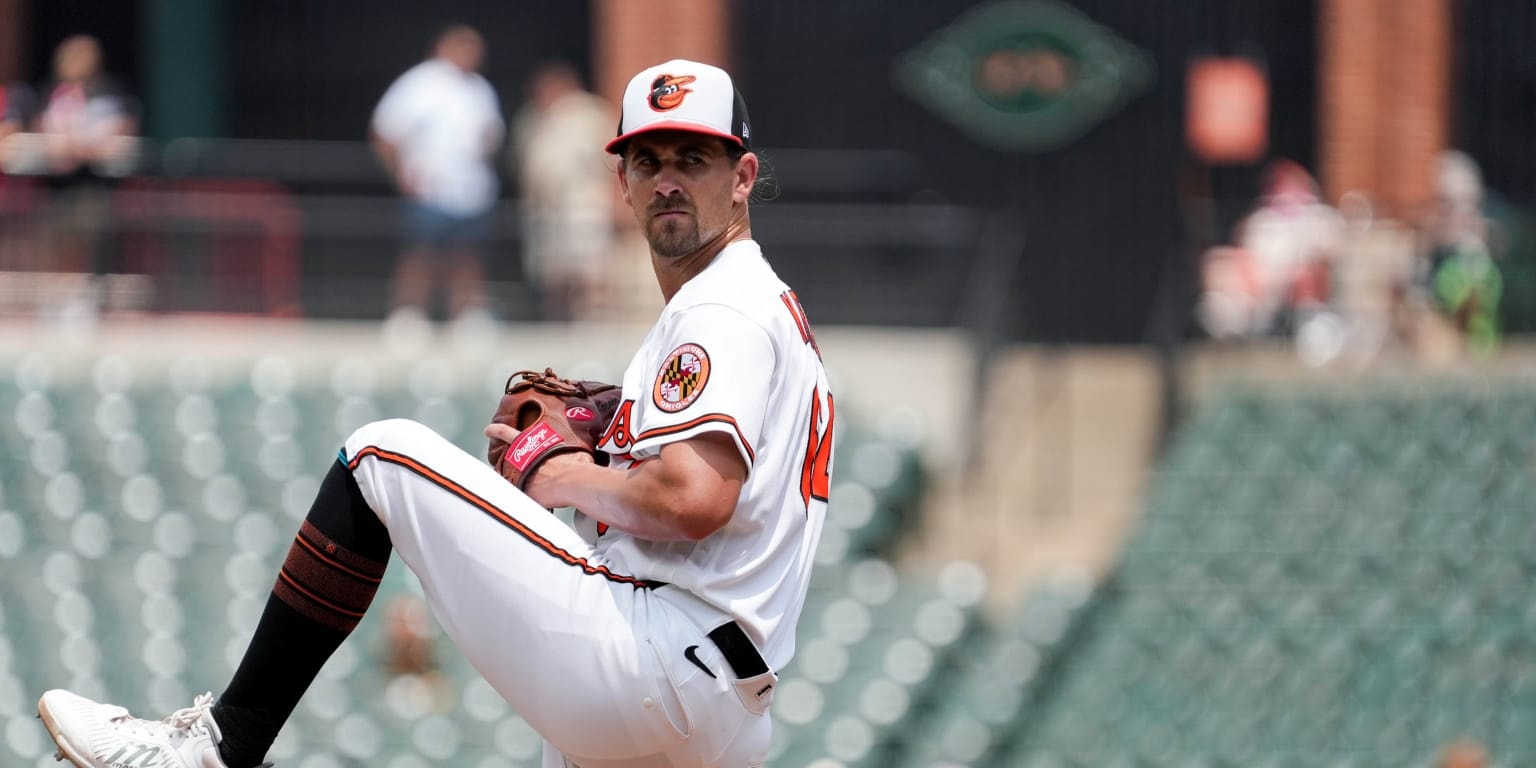
Reinstated from the injured list Wednesday, Baltimore right-hander Dean Kremer made his first start since a right quad strain and offered the kind of relief a playoff-caliber rotation relies on.
Baltimore got the kind of reinforcement it had been waiting on when Dean Kremer returned from the injured list and produced a standout outing in his first start since his right quad strain sidelined him for more than two months. The Orioles reinstated the 30-year-old right-hander on Wednesday, and his immediate impact mattered not just as a personal comeback, but as a prompt solution to the inning-eating problem teams face when a reliable starter is suddenly removed from the rotation.
Kremer’s absence created a gap in Baltimore’s starting staff during a stretch where consistent pitching is often the difference between staying steady and forcing more stress onto the bullpen. When a starter misses time, the ripple effect can be felt across multiple games, with relievers inheriting longer stints or higher-leverage moments earlier than planned. With Kremer back, the Orioles regained a known workload profile and a steady presence at the top of their pitching plans.
The Orioles’ need for a “stopper” type of starter is a common phrase in baseball because it reflects how front-end pitching can stabilize everything around it. A starter who can keep traffic manageable, limit damaging innings, and hold a lead or keep a tie within reach changes how hitters and relievers are deployed. Kremer’s return, coming after a significant quad injury layoff, carried added weight because quad strains are the sort of ailment that can affect stride length and lower-body timing, two foundations for a right-hander’s delivery.
In the official Orioles report, Kremer’s performance in his return start was described as exactly what Baltimore was looking for, and the framing underscored that the outing was more than merely “good enough” after a rehab period. The publication emphasized that this was his first start back, placing extra importance on execution and composure rather than just volume. For an Orioles rotation that must constantly balance matchups, pitch counts, and recovery, a strong re-entry outing provides immediate clarity for the days and weeks that follow.
The calendar context also matters. Late-season baseball is often where teams separate through durability and roster management, especially in rotations that cannot afford repeated interruptions. Kremer’s reinstatement on Wednesday means Baltimore can structure the rest of its week and next turns with less guesswork than it had while he was out, reducing the chance that additional improvisation becomes necessary due to unexpected availability issues.
Still, the long view is cautious. A player returning from a quad strain can be subject to mechanical and effort constraints, even when results look promising early. The next step for Baltimore is how Kremer’s workload is managed after this first start and whether his timing holds as opponents adjust, a normal pattern after a multi-month absence.
For Orioles fans, the takeaway is straightforward: Baltimore has its starter back, and the immediate outing gave the club a needed stabilizing element. For the organization, the watch item is follow-through. The next starts will show whether this first return outing is a temporary crest of form or the beginning of a longer, steadier contribution as the games tighten.
Kremer’s comeback also reshapes the decision-making across the pitching staff, from how managers sequence relievers to how the team handles defensive and late-inning strategies when starters go deeper. Even without pinpointing statistics, the underlying point remains that a rotation regains not only innings, but flexibility. Baltimore’s next challenge will be turning this return into a sustained advantage rather than a one-off boost.
Why It Matters
- A returning starter reduces bullpen burden by protecting late-inning pitching plans.
- Quad-strain comebacks can be timing-sensitive, so early performance can be a meaningful indicator for future starts.
- A stable top of the rotation helps a playoff-caliber club control both game tempo and matchup leverage.
- Late-season rotation durability often shapes how teams respond to unforeseen lineup or pitching needs.
Key Facts
- Dean Kremer was reinstated from the injured list on Wednesday for the Orioles.
- Kremer missed more than two months with a right quad strain.
- Kremer’s return came in his first start since the injury.
- The Orioles’ official report characterized his outing as the type of start Baltimore needed.
- Kremer is a 30-year-old right-handed pitcher for Baltimore.